
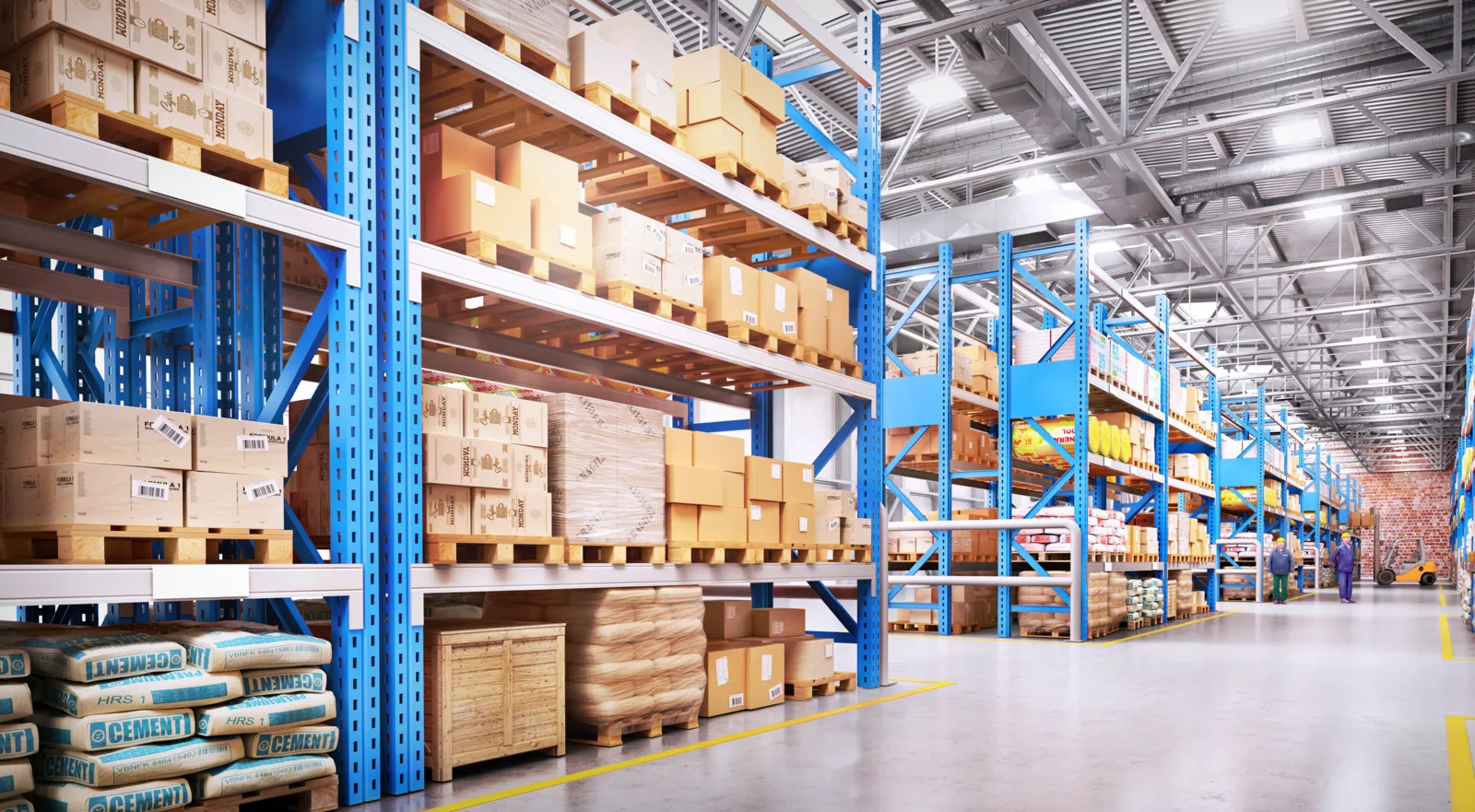
Commercial Roofing for Logistics and 3PL Operators in Thornton, CO
Coordinate warehouse roof repairs around dock schedules, inventory exposure, dispatch routes, and weather in Thornton, Colorado, while protecting throughput.
A roof leak above a sort line can affect dock flow before water reaches stored goods. We map the reported area to the roof, set access limits and plan a secure close-in around dispatch. Logistics operators need clear work zones, material routes and a sequence that respects inbound and outbound peaks. The condition record separates urgent protection from repair or replacement that can be planned.
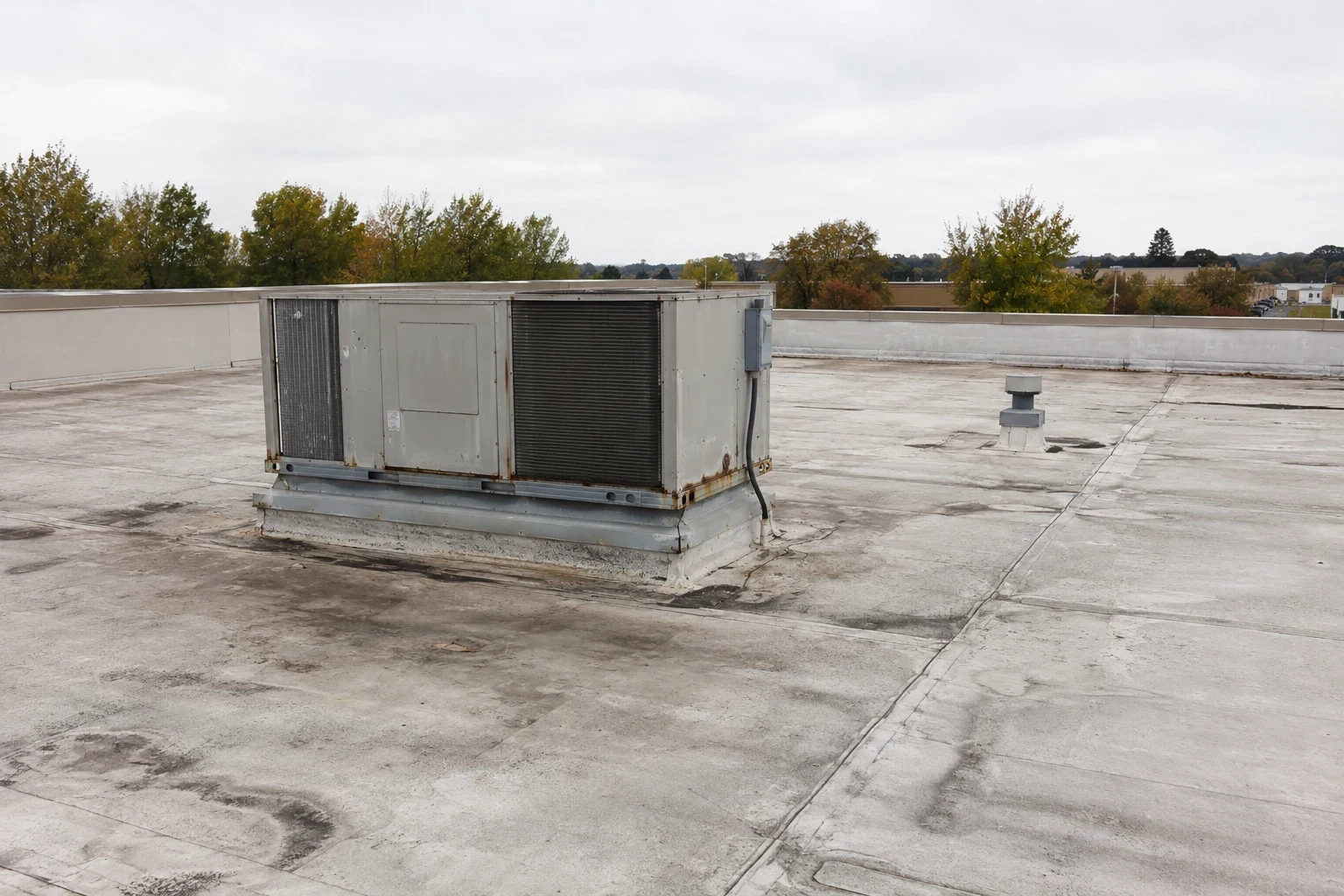
Dock schedule: work around inbound and outbound peaks
We identify dock doors, truck courts, lift paths, conveyor zones and any control area below the proposed repair. The facility shares delivery peaks and route restrictions before material arrives. If a lift or dumpster uses a turn lane, the plan identifies the time and alternate route. Roof work can move by bay when each open section can be inspected and secured within the shift.
Published plans for North Washington Commerce Center list a first-phase fulfillment building with a loading layout of 24 dock positions, six drive-ins and eight fast roll-up doors. Those published features make the local logistics use concrete, but do not reveal roof construction at another facility. We confirm each property’s routes. North Washington Commerce Center is a local example of why dock capacity and roofing access need to be planned together.
Inventory risk: protect the area under the roof zone
We compare rack rows, pick modules, control rooms, charging areas and high-value inventory with the roof map. A leak can enter far from the interior report, so the inspection checks seams, drains, curbs and changes in roof elevation above. We record the likely entry path and identify where direct testing could change removal quantities. The operator can then decide whether to relocate stock, cover equipment or limit a bay during repair.
5280 Logistics Park is a two-building Thornton development with direct I-25 and E-470 access; its brochure describes logistics use and a build-to-suit opportunity. That road access informs deliveries, but it does not set the actual jobsite staging route. We confirm security, yard movement and dock hours at the address. 5280 Logistics Park is a useful corridor reference for local freight operations.
Leak investigation: trace water before placing a patch
Water near a conveyor may come from a seam, curb, pipe penetration, drain or prior roof modification. We match the report time with weather and equipment activity, then inspect the roof above and adjacent sections. Photos capture the interior point and the roof details that could explain it. If the source remains uncertain, we define a test location and state how the result could change the scope before cutting.
A hands-on roof inspection can document visible conditions, while infrared mapping may help identify areas for confirmation. The record states which parts were sampled and what remains unknown. A moisture pattern should not be converted into a building-wide removal quantity without evidence.
Traffic control: separate crews from site movement
Roof access, forklifts, truck movement and material deliveries may share the same exterior route. The facility sets traffic controls, gate check-in, escort requirements and any no-stage zones. We identify lift placement and dumpster timing before crew arrival. If a route must close, the work order names the window and the person who releases it. A clear boundary reduces conflict between the crew and dispatch.
The Thornton Business Park map confines the higher-intensity warehouse category to selected parcels fronting I-25 and E-470. Crossroads 25 is planned at that highway junction as a logistics and industrial development. Those corridors help frame regional delivery access; the roof walk and facility plan determine actual work logistics. Crossroads 25 is a local freight-development reference, not a staging assumption for an operating warehouse.
Storm response: inspect the roof and secure the opening
NWS recorded roof damage and hail between one and two inches during the May 30, 2024 storm that crossed Thornton and Northglenn. A 3PL operator can use that record to prompt an inspection after reported impact. It does not establish damage at a particular distribution building. We photograph the actual membrane, perimeter, drains and rooftop equipment before setting repair limits.
Denver snow averages are regional context rather than a Thornton facility measurement. We check the current forecast and surface before opening material. The shift plan sets the maximum area the crew can secure before leaving. For an active leak above stock or automation, emergency protection can reduce exposure while the permanent scope is arranged.
Repair versus renewal: compare the work with operating risk
A local puncture or failed flashing may support a targeted repair when the surrounding membrane, insulation and attachment remain sound. Repeated leaks, wet board, loose seams or widespread edge failure can justify broader testing. We map findings by roof zone and identify what remains unverified. A recover is considered only after reviewing layer compatibility, drainage, perimeter height and equipment access.
Manufacturing operations can have process equipment and shutdown constraints; a general contractor coordinating a new logistics building needs roof work sequenced with other trades. A 3PL proposal should also show the dock route and daily area returning to service. We price repair, testing and full renewal as separate choices.
Dispatch record: hand off what can move again
At closeout, we identify completed bays, repaired details, materials, photos and remaining test limits. The manager receives an update on blocked routes, protected inventory and any follow-up needed. That record helps dispatch and maintenance teams link a later leak to the correct roof zone and earlier work. Temporary protection is listed separately from permanent repair.
Send roof plans, dock schedules, inventory-sensitive areas, gate rules, leak reports and capital dates. We will return a sequence by roof zone with access and close-in assumptions. For multiple facilities, the same record format can help compare sites without hiding local differences in operations or roof assembly.
If the operator tracks service interruptions by dock or shift, we can identify which phase touches each route and when it is expected back in use. That detail helps dispatch plan around a repair without guessing from a general start and finish date.
Commercial Roofing Questions
Can roofing work continue while docks remain active?
A phase can proceed if the facility approves a separate access and staging route. We identify dock restrictions, lift placement, delivery windows and daily close-in before materials arrive.
How do you protect inventory during a roof opening?
We map the area below the work and coordinate covers, relocation or bay restrictions with the operator. The sequence limits exposed roof area and records the close-in point for each shift.
What should operations report when a leak appears?
Share the bay, time, weather, equipment status and any stock or control system affected. We inspect the roof path above and document whether the source is confirmed or needs a test.
Does a regional hail report mean the facility needs a new roof?
No. It can prompt an inspection, but we document actual impact and distinguish it from wear or prior repairs. The property condition determines the scope.
What changes the timing of a warehouse roof project?
Dock peaks, dispatch routes, security, equipment density, tear-off depth, deliveries, weather and daily close-in capacity all affect timing. We state those assumptions by phase.
Protect throughput while roofing work is underway
Share dock schedules, roof maps, inventory-sensitive zones, gate procedures and leak history. We will map the work boundary and return a sequence for dispatch review.
Call 555-555-5555 or send the form and we will set up a visit.