
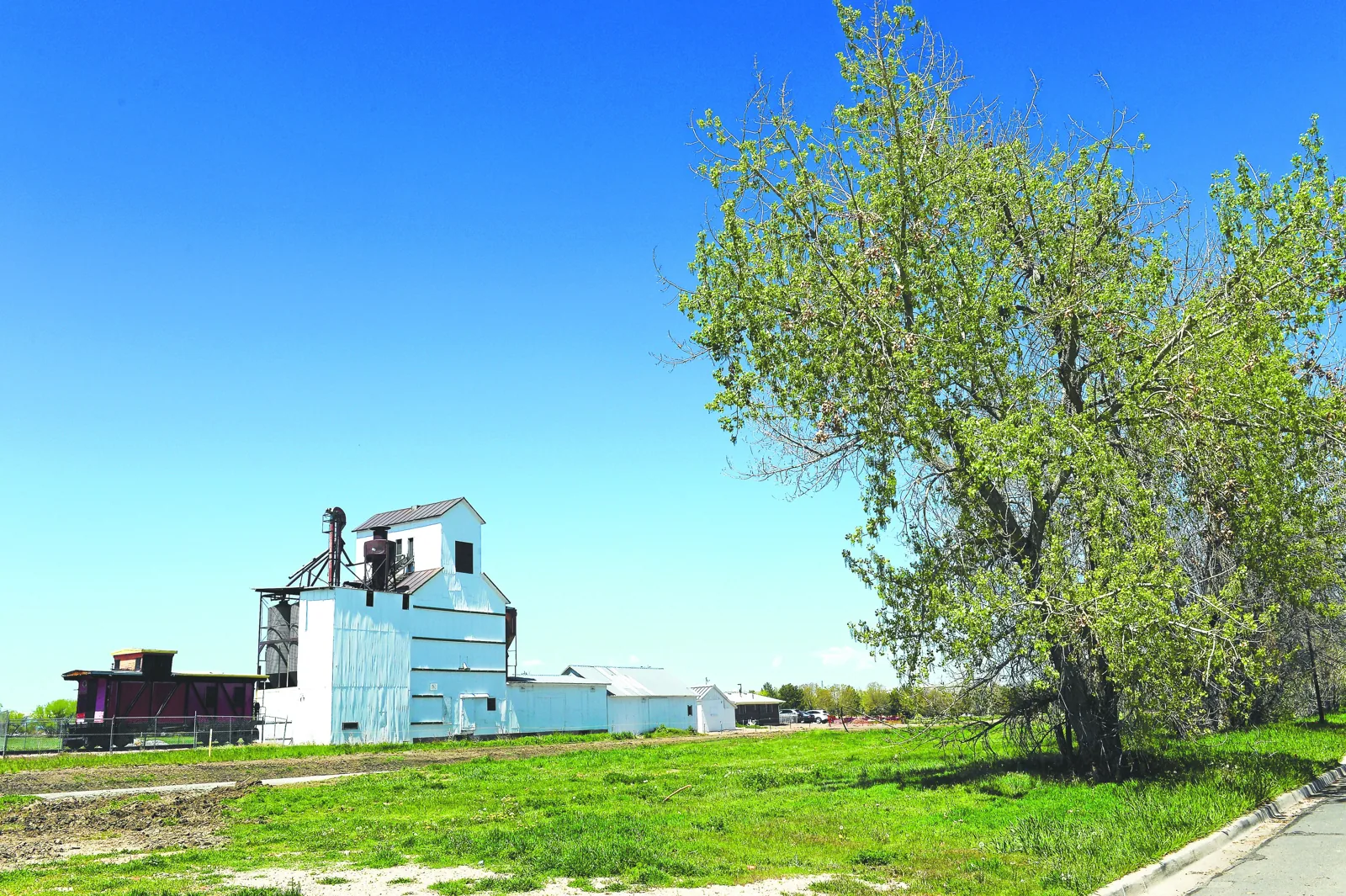
Commercial Roofing at Old Town Eastlake, Thornton, CO
Coordinate commercial roof repair and inspection in Old Town Eastlake, Thornton, CO, with access planned around streets, tenants and the property boundary.
Lake Avenue, the east side of First Street and York Avenue from 124th Avenue to Birch Street define Thornton’s Eastlake streetscape plan. Its broader boundary includes the rail line and station to the west, Birch Street north, York Street east and properties south of 124th Avenue. The plan also includes the post office and adjacent commercial area east of York Street. These planning references help locate the work, but they do not establish any roof’s condition. We confirm the address, parcel and access rules before setting a scope.
Commercial roof service here begins with a property-specific walk. We record roof zones, active leaks, prior repairs and routes where a lift or material staging could affect nearby activity. The manager receives a schedule and evidence record tied to the building, not simply to the neighborhood boundary.
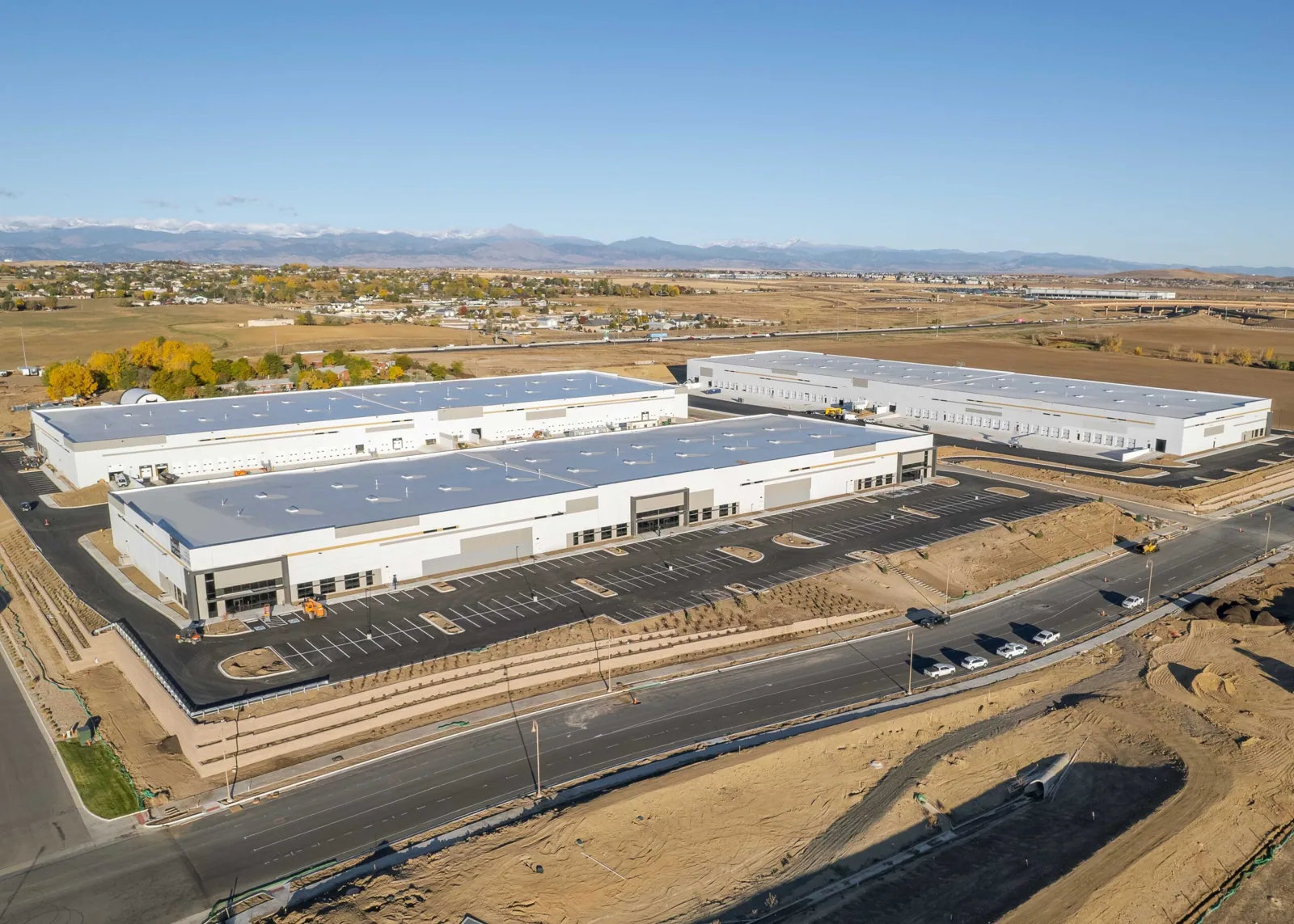
Street boundary: confirm which parcel is in scope
The streetscape and subarea descriptions include rail infrastructure, a post office and commercial property. A service request still needs the exact building and work area. We confirm owner or tenant contact, public access hours, roof entry, sidewalk controls, deliveries, parking and any area kept open during work. If the planned boundary crosses more than one parcel, we create separate work maps and approvals.
The station at Eastlake is part of RTD’s North Metro service. Its area plan builds from the neighborhood’s established main street and smaller parcel grid. Thornton Urban Center, another planned renewal area, lies between I-25 and Washington Street south of Thornton Parkway. Eastlake at 124th Station Area and Thornton Urban Center are separate local places with different access contexts.
Before the first walk, we compare available roof plans and service history with field conditions. We inspect surface, seams, walls, drains, curbs, edge metal and previous patches. If drawings do not match the building, we note the conflict before setting a repair quantity. An inspection can identify accessible conditions and the next verification step.
Commercial operations: protect entrances and service
A post office and nearby commercial area can have public-facing routes, tenant hours and deliveries that must remain clear. We confirm which entrances stay open, where equipment can stage, and whether pedestrian access needs temporary controls. Those details are confirmed with the property contact; the plan boundary alone does not reveal a building’s hours or security rules.
Roof access and work at an edge can intersect with entrances below. We set a marked work area, protect people below, coordinate lifts and identify the handback time. If an opening or repair affects a tenant area, we confirm interior protection and the person who can approve a temporary restriction. Occupied-building phasing can organize access and daily turnover around actual operating hours.
Thornton’s May 30, 2024 hailstorm crossed Thornton and Northglenn, with roof impacts recorded by NWS. The regional event can prompt inspection after a reported hit, but does not show damage at a building in Old Town Eastlake. We document visible marks, reported leakage and inaccessible zones before recommending repair, testing or renewal. A hail assessment can preserve that evidence by roof section.
Repair threshold: distinguish a local defect from a pattern
A split seam, puncture or failed flashing may be repairable if surrounding material and substrate remain suitable. We inspect beyond the visible opening and compare the location with prior tickets. If the same area has been patched more than once, we look for movement, moisture, drainage or a transition issue that may be driving failure. The work order identifies the repair boundary and what remains under observation.
Where wet insulation, loose attachment or deteriorated edges extend beyond a small area, testing or replacement may be better supported. We note the evidence and identify which additional check can change the cost or work date. A recover is considered only after existing layers, moisture, deck and drainage are reviewed. If those conditions do not support another layer, removal appears as a separate option.
Cost also depends on public access, lift setup, sheet-metal details, disposal, interior protection and the number of separate work zones. The estimate states measured scope and assumptions. Commercial repair remains distinct from replacement work so an immediate leak response does not silently become a larger capital project.
Permit and weather: schedule with the work boundary in view
Thornton uses 2024 building and existing-building code editions for covered permits. The city’s revised energy requirements took effect July 1, 2026. If a reroof changes insulation or assembly layers, we confirm the scope and filing date before carrying code assumptions into a proposal. The streetscape plan does not determine a permit requirement for a specific property.
Denver climate records provide regional context for Thornton scheduling, not a measurement of this roof. We check forecast, surface condition and product requirements for the actual work date. The daily sequence sets the size of the opening and the time for securing it. If a weather hold interrupts work, we stop at the designated boundary and record the temporary protection.
For county emergency planning, the Front Range tornado period generally falls from mid-May through mid-August. A site contact should know who receives alerts and who can pause a lift. We confirm those responsibilities before mobilization; current conditions guide the go or stop decision.
Maintenance record: preserve the property history
Closeout identifies the structure, roof zone, repairs, materials, inspection photos, access limits and any follow-up. A manager can use that record when a tenant reports a new leak or a contractor returns for another phase. If the work exposes a concealed condition, the file notes what was observed and what remains unknown.
Records matter when the streetscape or site use changes. A future roof visit should be able to distinguish a new defect from an earlier repair and see which route was approved. A roof condition report keeps evidence with its date and inspection boundary. An asset register can carry those records into later budget and maintenance reviews.
Send the property address, roof drawings, access rules, public hours, leak history and capital date. We will inspect the defined zone and return immediate actions, testing needs and replacement considerations with a clear handoff.
Commercial Roofing Questions
Does the Old Town Eastlake plan define the property’s roof area?
No. The plan describes streets, station and parcel boundaries, not roof dimensions. We confirm the building outline from plans or field measurements before assigning quantities.
What access information matters for a commercial property near the post office?
Confirm the exact parcel, operating hours, public entrances, delivery schedule, roof entry and any sidewalk or staging limits. We use those details to set a safe inspection and work route.
Can crews work while a business remains open?
Phasing may be possible when entrances, interior protection, noise periods and daily close-in are coordinated. The property contact approves affected routes and areas before the crew starts.
How do you decide whether a repeat patch should be replaced?
We review the repair history, adjacent membrane, substrate, moisture, drainage and movement. If the failure is broader than the visible patch, we identify the test or expanded scope that would support a replacement decision.
What should a manager retain after roof work?
Keep the work zone, materials, dated photos, inspection notes, access restrictions, testing limits and open actions. Those details help the next service team route a report to the correct area.
Set the roof scope to the right Eastlake property
Share the parcel address, operating hours, roof records, access limits and leak history. We will inspect the defined areas and return a work plan with access and close-in steps.
Call 555-555-5555 or send the form and we will set up a visit.