
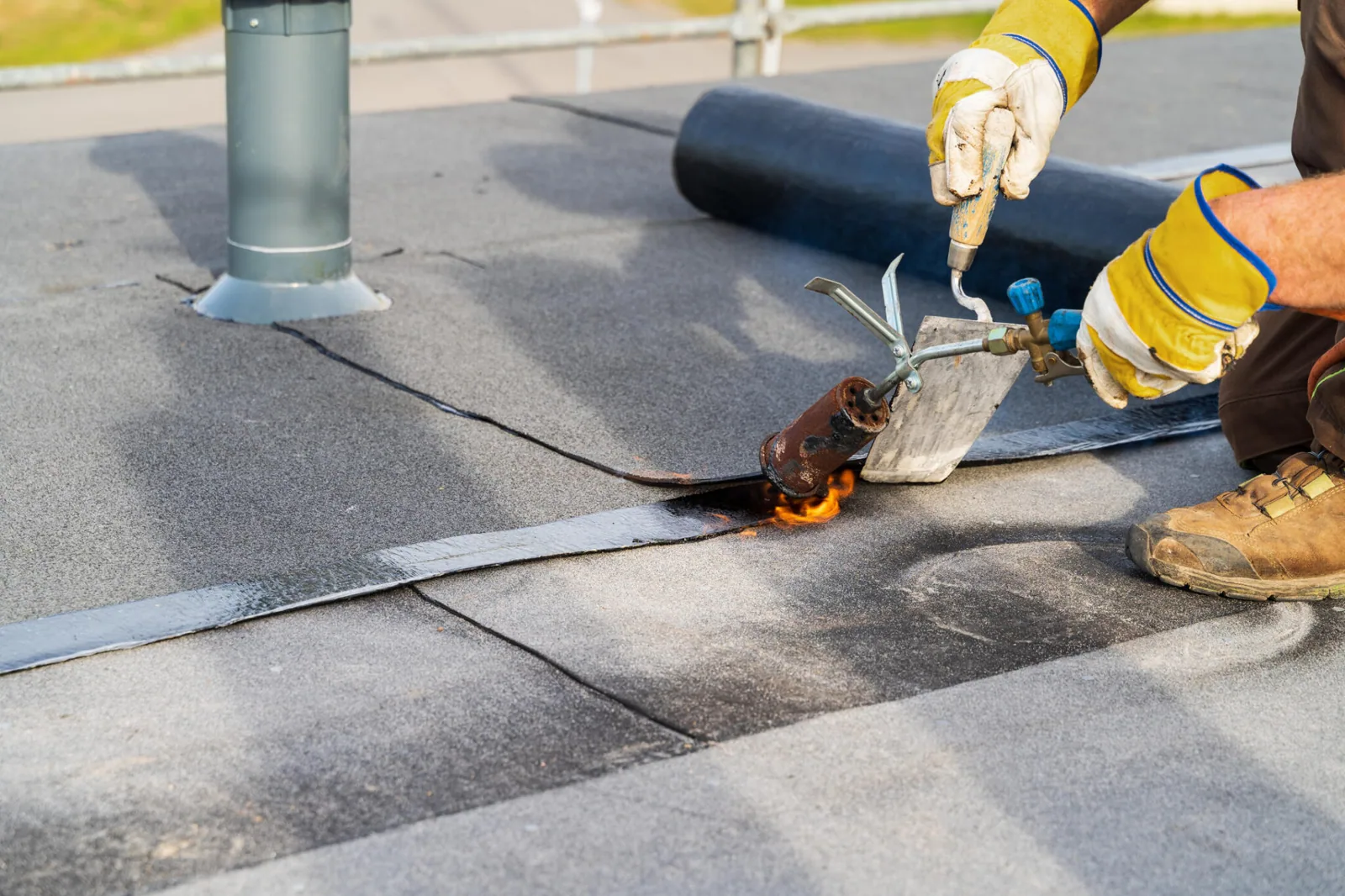
Commercial Roof Leak Repair in Thornton, CO
Trace commercial roof leaks in Thornton, protect occupied space and repair the entry detail. Get photo findings, a defined scope and follow-up priorities.
A ceiling drip in a Thornton distribution suite can interrupt shipping before the rain stops. We start by protecting the space and tracing water back through the roof assembly. The entry point may sit at a seam, curb, penetration, edge or drain, while the interior stain appears somewhere else. We document the path we can confirm, the area that remains uncertain and the repair needed to stop active entry. The May 30, 2024 storm crossed Thornton and Northglenn with one to two inch hail and documented roof damage. That history can shape an inspection request, but only current roof and interior findings identify the repair.
First response: reduce exposure
We ask where water is appearing, when it began, whether it changes with wind direction and whether equipment or stored goods sit below. Inside, we protect contents and note wet ceilings, electrical concerns and active drips. On the roof, we check the likely drainage path, penetrations and transitions near the reported area. If weather or access prevents a permanent repair, we explain the temporary protection and set a return window. A temporary dry-in reduces immediate exposure; it does not close the repair record.
Medical, office and logistics buildings have different access needs. North Suburban Medical Center sits in the South Thornton Healthcare District. The north employment area includes Crossroads 25 near I-25 and E-470, where loading access can shape the response. We coordinate sensitive rooms, tenant schedules, roof access and work below before choosing a route. A round-the-clock emergency response is available when active water entry cannot wait for a planned visit.
Trace the path: inspect the assembly
Water can travel along the deck, insulation joints, structural framing or a low area before it reaches a ceiling. We inspect beyond the wet interior location and follow the roof’s slope and drainage pattern. The review includes membrane seams, flashing, curbs, skylights, HVAC supports, edge metal, drains and scuppers. We look for open laps, split sealant, punctures, loose terminations and debris that redirects water. The condition record connects each observation with the building zone and interior report.
If the membrane appears intact, moisture may be concealed below it. We can recommend targeted testing rather than opening multiple areas without a reason. Infrared patterns need confirmation where conditions warrant a test cut. Our moisture survey can map suspect areas and help limit removal to verified boundaries. For a leak near a curb or skylight, we inspect the transition and surrounding membrane together. A bead of sealant over the visible opening may hide the symptom without restoring the system.
Repair detail: restore water control
We select a repair compatible with the roof material and actual failure. A seam repair requires clean preparation and reinforcement where the system calls for it. A flashing repair must carry the membrane up the curb or penetration and terminate securely. A drain repair must preserve flow and avoid creating a dam. Metal panels need fasteners, laps and closures checked as a connected assembly. The scope identifies materials, locations and whether wet insulation or deck repair is included.
For an occupied building, we plan noise, rooftop shutdowns, odors, access and interior protection. We group nearby work when it is safe to reduce repeated access disruption, but a second condition does not get added without inspection and approval. Thornton’s commercial districts include retail and medical uses as well as industrial parks. The roof condition and facility schedule govern the repair. We link the record to flashing failure work or drainage repair when those details are involved.
Weather window: make the repair hold
Permanent repair depends on surface temperature, moisture, wind and the material’s cure requirements. A wet roof can delay preparation. Snow and freeze-thaw can change access and the time available to close a detail. We confirm the conditions instead of scheduling from a seasonal average. Denver snowfall data is useful regional context for Thornton, but it does not predict the workday at a specific property. We identify the next workable window when a surface must dry before installation.
After hail or wind, roof access can reveal multiple conditions at once. We document the immediate leak separately from other storm-related findings so urgent protection does not obscure the broader inspection. The National Weather Service’s May 2024 report places hail and roof damage along a track through Thornton and Northglenn. If the leak is associated with a claim, our claim documentation can include photos and scope boundaries. We distinguish confirmed entry points from suspected damage that needs more testing.
Follow-up: keep recurrence visible
After the repair, we document the location, preparation, materials and closeout condition. We note whether the original symptom stopped and what should be watched after the next rain. If water reappears, the first repair record helps us compare conditions and test the next likely path. Recurrence may show that the leak crossed a larger area or that moisture remained under the surface. We can then recommend targeted removal or a broader roof repair scope.
For a portfolio, leak records should stay tied to each address and roof zone. The owner can use them to compare repeated calls, roof age records and planned capital work without assuming that one building’s issue applies to the next. Send the leak location, interior photos, roof plan, access instructions and any previous repair notes. We will prioritize the active entry, document the condition and state the next action clearly.
Commercial Roofing Questions
How quickly can you respond to water entering a commercial building?
We provide emergency response around the clock, including nights, weekends and holidays. Timing depends on safe access, weather and the building’s location and entry conditions. We first reduce exposure, then inspect the assembly and determine whether a permanent repair can be completed during the visit. If a temporary dry-in is required, we identify it as temporary and set the next step.
Why is the leak showing far from the roof defect?
Water can move sideways along insulation, the deck or structural members before it reaches an interior finish. We trace the drainage path and inspect nearby seams, curbs, penetrations and transitions rather than opening only above the stain. If the path remains unclear, we identify targeted tests that can distinguish a roof entry from concealed migration.
What should staff do while water is entering?
Move people and sensitive equipment away from the affected area, place safe containers below drips and report any electrical concern immediately. Do not enter a wet roof or handle damaged electrical equipment. Share photos and the time of entry with the facility contact. We can then coordinate interior protection and roof access without delaying the first response.
Can a leak be repaired during a storm?
Safety and material limits control that decision. We may be able to reduce exposure with temporary protection, but many permanent materials need a dry surface or specific temperature range. We inspect conditions and explain whether the visit can include a lasting repair. If not, the closeout records the temporary measure and the next safe work window.
Will an active leak require a full replacement?
One leak does not establish a replacement need. A localized opening in a serviceable assembly may be repaired. Repeated failures, widespread moisture or deteriorated membrane can change the recommendation. We document the affected zone, inspect the surrounding roof and explain whether further testing or a capital scope is warranted.
Stop active entry and document the next step
Send the building address, leak location, interior photos, access instructions and recent repair notes. We will coordinate a safe response, trace the roof condition and define the repair boundary.
Call 555-555-5555 or send the form and we will set up a visit.