
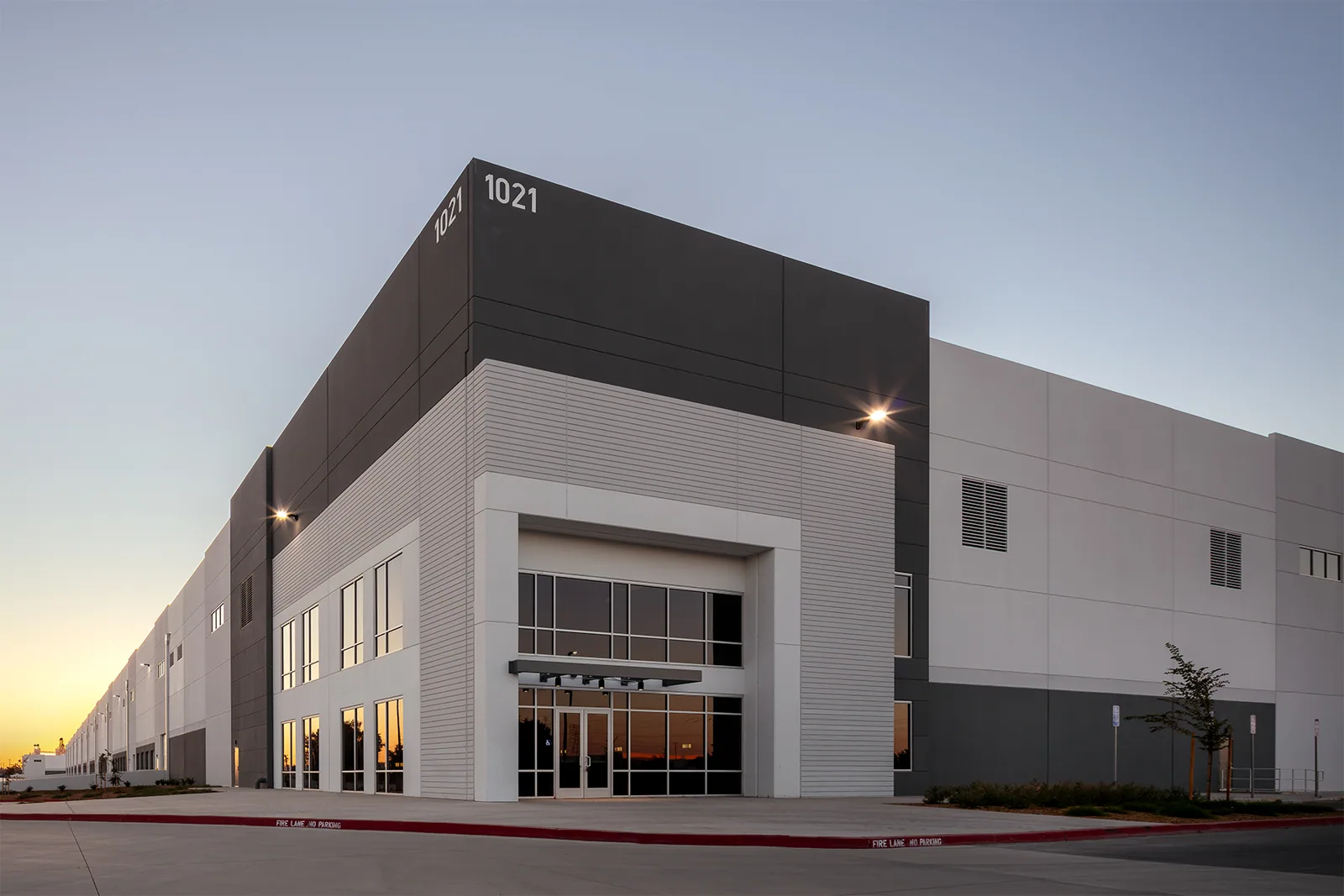
Commercial Roofing for Manufacturers in Thornton, CO
Plan roof inspections and repairs around manufacturing shifts, equipment, loading access, and production schedules in Thornton, Colorado.
A roof opening above a production area can interrupt equipment, inventory and the next shift. We inspect the affected zone, identify rooftop systems and agree on a close-in point before work is set. Manufacturers need roof decisions tied to process schedules and operating limits. The report separates immediate water control from repairs that can be planned with maintenance or a capital shutdown.
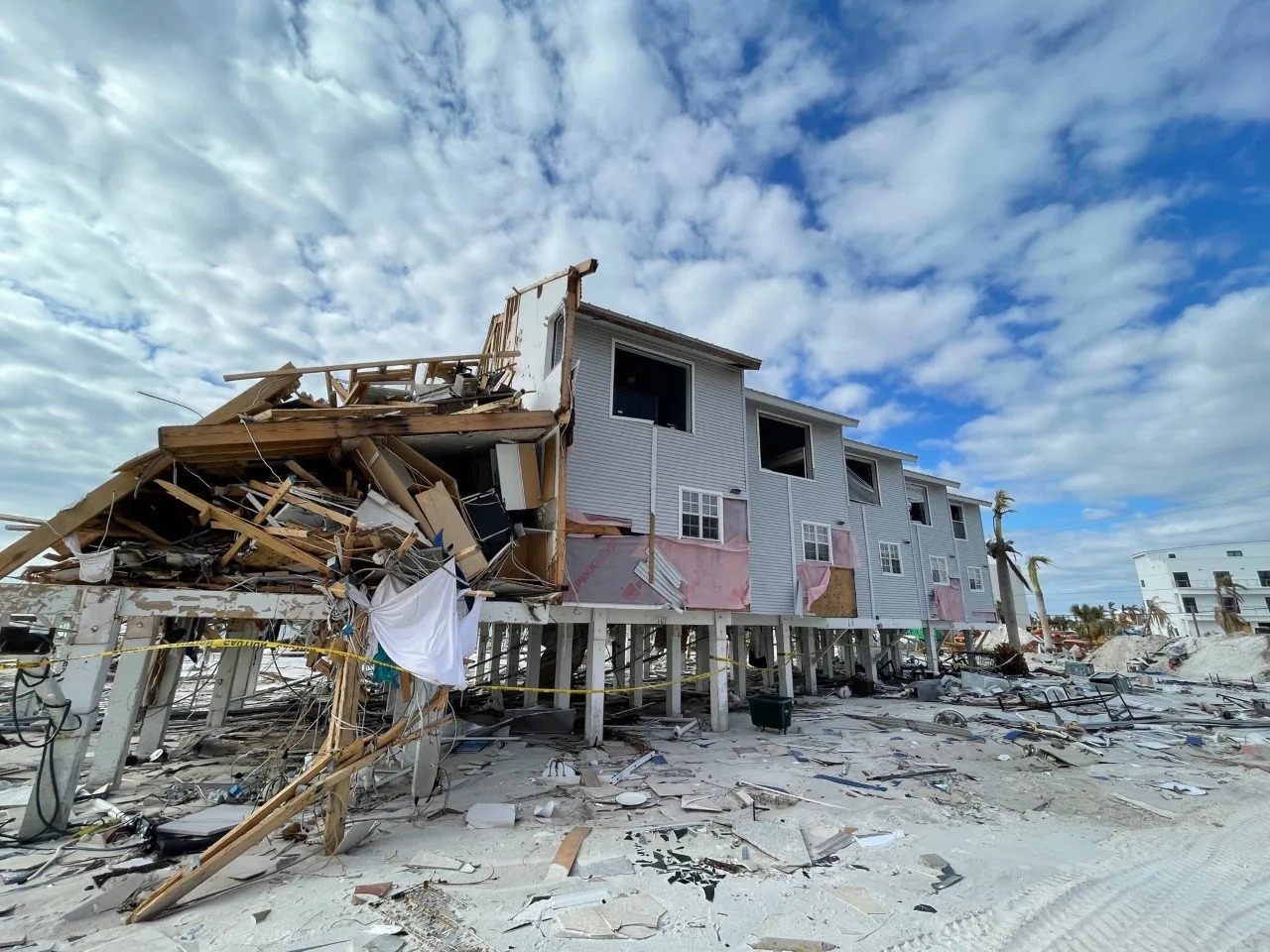
Production map: connect roof findings to the line
We ask facilities to map production cells, storage, control rooms, loading areas and any process that cannot pause. The roof walk notes seams, drains, curbs, penetrations, prior repairs and changes made for equipment. Each finding is tied to the area below and the route used to inspect it. If an expansion has a different assembly, it remains a separate roof zone in the record.
Creekside Innovation Park is planned for light manufacturing, aerospace, distribution and research uses near 148th Avenue and Washington Street. Baseline Innovation District includes planned research and innovation users such as Bega Lighting and Eaton. For a manufacturer, those differing operations make equipment routes, roof penetrations and shift windows part of the inspection plan. We confirm the actual building details with facilities staff before setting work limits.
Shutdown planning: fit the work to the operating window
Facilities staff identify shift changes, equipment shutdown dates, deliveries and safety restrictions before mobilization. We separate inspection, noisy removal, material lifts and detail repairs so the sequence can fit the approved period. If the project requires a line or unit to pause, the manager decides whether the shutdown is available. The roofing scope names its dependency and the step needed before the roof can be opened.
Work can advance by roof zone when each exposed area can be secured in the same shift. A concealed deck issue may change the plan, so we stop at the agreed limit and share photos before expanding the opening. The production contact can then approve a revised scope or move the next section to another date.
Equipment details: inspect curbs and process exhaust
Exhaust stacks, rooftop units, piping and support frames create details that can move during service work. We inspect curb flashing, membrane transitions and adjacent seams. If a mechanical change left an unused opening, the scope identifies closure and insulation requirements. The work order also states which equipment must remain accessible for maintenance after roofing is complete.
Curb and support repairs can be priced apart from the field membrane. A hands-on roof inspection can document the assembly and visible conditions. If a seam or transition has failed, seam repair can be evaluated against the adjacent roof area rather than quoted from a leak location alone.
Water and containment: protect stock and controls
A leak may appear above a finished-goods rack or control panel even when water entered at a remote roof detail. We compare reports with drains, seams, penetrations and wall transitions. The site identifies materials or equipment needing protection below. Photos record the path candidates and test limits. If insulation is wet, we define removal boundaries so dry material is not included without evidence.
Some operations may need air-intake or dust controls during roof removal. We locate supply and exhaust points with the facility engineer and identify any approved cover or shutdown. Occupied-facility sequencing can state how a production area remains protected while the crew moves by section. Each day closes with a secured assembly and a named handoff.
Repair decision: identify the threshold for broader work
An isolated puncture, curb failure or seam opening may support a targeted repair if surrounding membrane, insulation and attachment remain sound. Multiple wet zones, recurring water entry or deteriorated edges can justify testing and a larger renewal scope. We identify which condition is confirmed and what further test could change quantities. A recover is only considered after reviewing existing layers, drainage and perimeter details.
A manufacturer with several plants may also run a logistics or warehouse network. Logistics operators can have dock timing concerns, while a general contractor coordinating an expansion needs roof sequencing against other trades. We keep roof quantities, production restrictions and access assumptions visible so the owner can compare repair with scheduled replacement.
Regional weather: inspect the roof, not the storm summary
In its May 30, 2024 summary, NWS logged a Thornton-to-Northglenn hail track, one-to-two-inch stones and roof impacts. A manufacturer can use the event to trigger a building review where impact is suspected. The report does not establish damage at a plant. We inspect the actual membrane, roof openings, edges and equipment details and record the findings by production area.
Denver winter snowfall data are regional context, not a measurement from a Thornton facility. We check the actual forecast and roof surface before scheduling work. The plan identifies the maximum open area and secure close-in if conditions change. For a manufacturer with multiple sites, a multi-site roof program can keep inspection intervals and findings organized by address.
Production record: hand off the roof and the line
Closeout records list repairs, materials, photos, test areas and any access limit. The facility receives a note about equipment routes, protected areas and conditions still needing review. If the repair was temporary, the record identifies who tracks the permanent work. Separate labels for plant sections keep a later report tied to the correct production or storage zone.
Send roof drawings, process and equipment maps, shift calendar, leak history and capital dates. We will return a scope that identifies confirmed work, dependencies and daily close-in. The owner can plan the next inspection or renewal alongside equipment changes rather than discover a roof conflict during installation.
If the facility plans an equipment move, we identify nearby roof details that need review before a new support or penetration is added. That coordination can be placed on the maintenance schedule before the next shutdown.
Commercial Roofing Questions
How do you keep production moving during a roof repair?
The facility identifies active lines, shift changes, equipment access and any operation that cannot pause. We phase work by roof zone, state the daily close-in and identify any shutdown approval before the crew opens material.
What should maintenance share before the roof inspection?
Provide building drawings, process and equipment locations, prior leak reports, shift schedule, roof access and any safety or dust-control requirements. Those details help map the inspection route and work limits.
Can an equipment curb be repaired without replacing the whole roof?
Yes, when the defect is isolated and adjacent membrane, attachment and insulation remain sound. We inspect nearby seams and transitions and identify whether moisture testing is needed before limiting the repair.
Does a hail report establish plant damage?
No. It can prompt an inspection, but the recommendation follows conditions found at the site. We photograph impact, distinguish it from earlier wear and state any area that could not be tested.
What affects the timing of a plant reroof?
Production shutdowns, equipment access, deliveries, roof height, system layers, weather and the safe area that can be closed each shift all affect timing. We show those assumptions by zone.
Schedule roof work against production needs
Share roof plans, equipment locations, shift windows, leak history and capital dates. We will document conditions and return a work sequence with production dependencies identified.
Call 555-555-5555 or send the form and we will set up a visit.