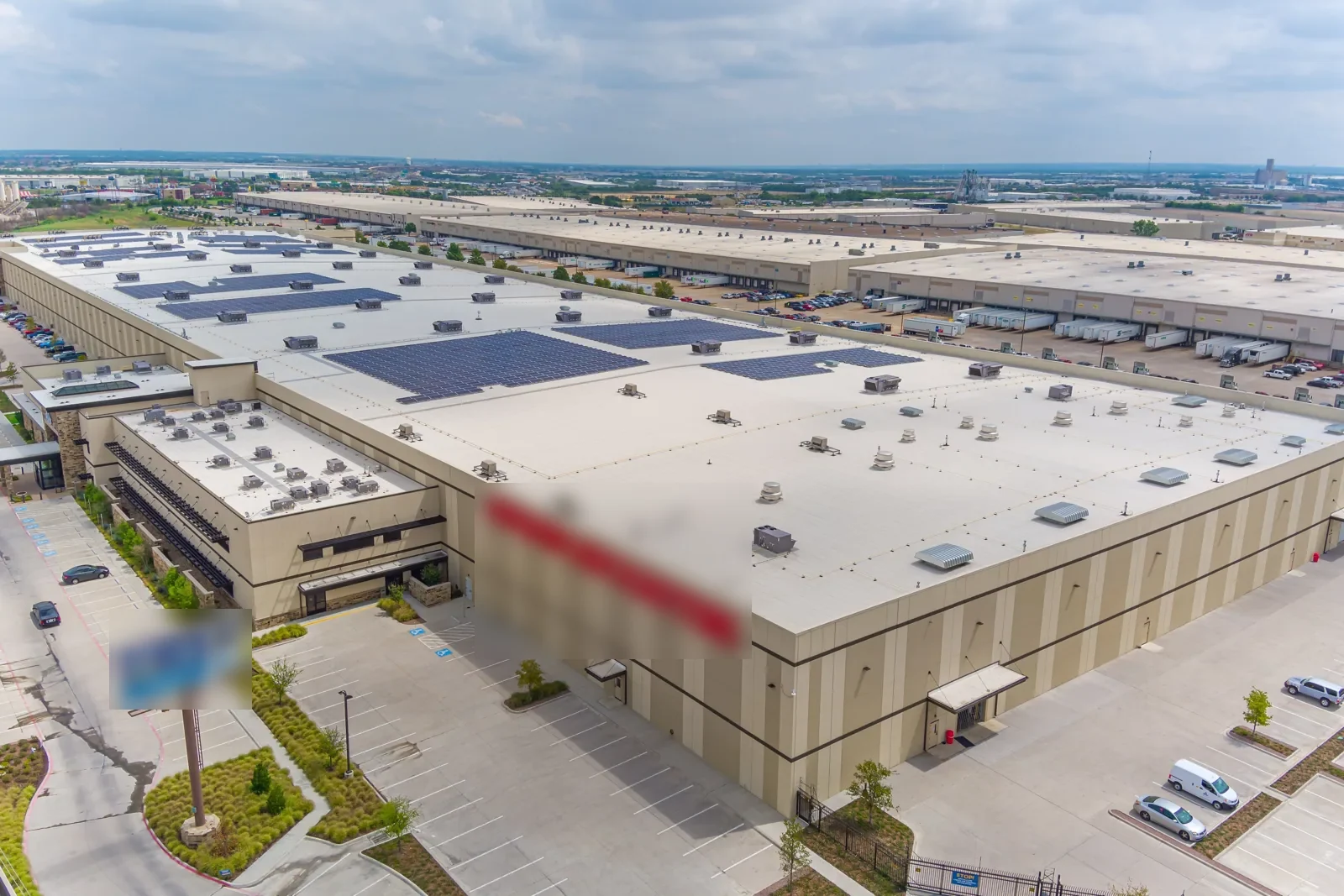
Distribution Center Roofing in Thornton, CO
Plan distribution-center roof repairs in Thornton around docks, sortation and operating windows. We map leaks, access, drainage and close-in by zone.
A leak over a conveyor can interrupt more than the space directly below it. We inspect the roof zone, trace water paths and coordinate access around dock and sortation activity. For a distribution center, the repair plan needs clear work limits, material routes and a secure daily close-in. Thornton’s logistics sites span new development and active facilities, so each building’s roof and schedule need direct review.
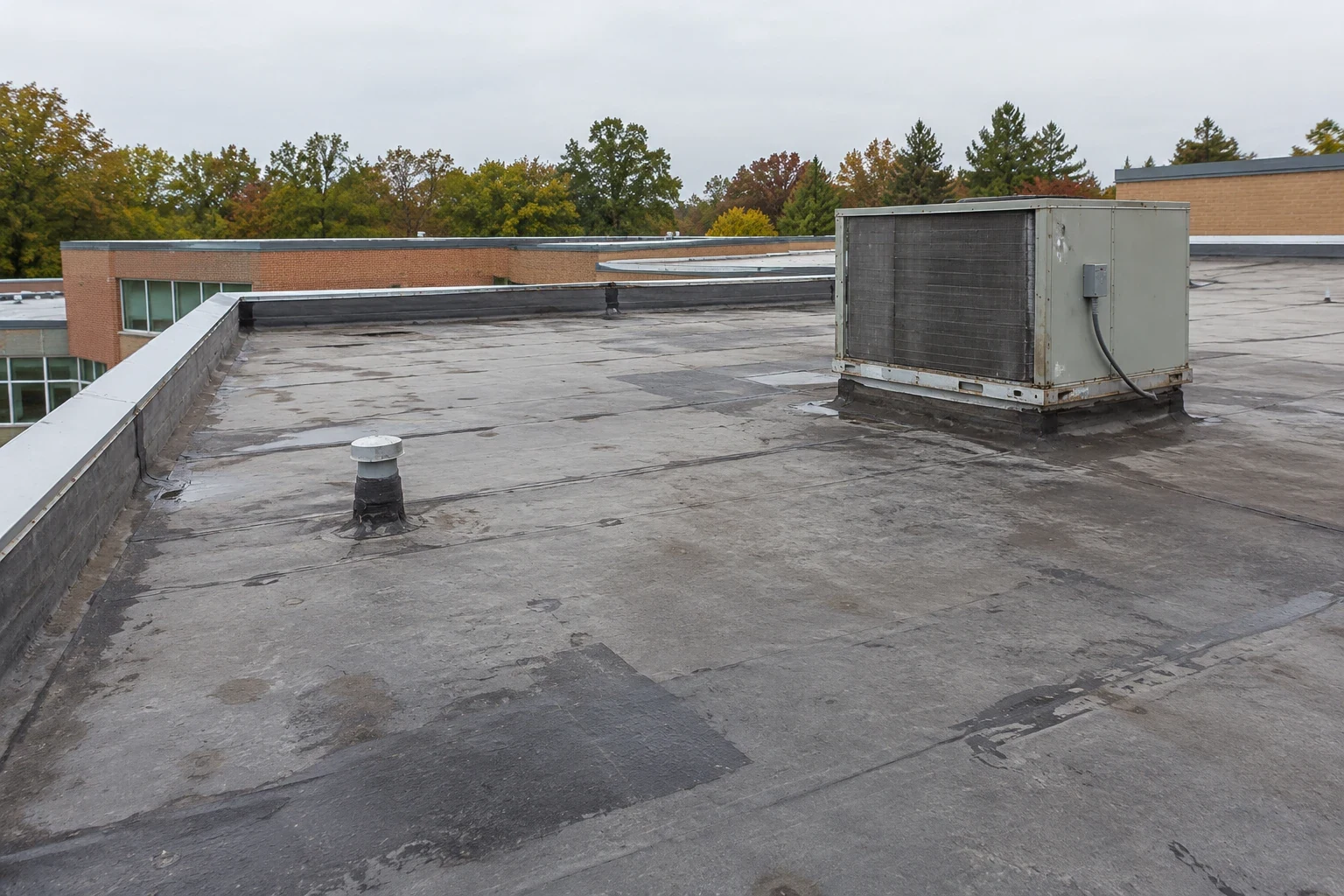
Dock map: coordinate deliveries with roof access
We mark dock doors, truck courts, lift paths, rooftop hatches and any staging area that competes with inbound or outbound traffic. If a crane or lift is needed, the facility team identifies safe setup space and delivery peaks. The roofing sequence can move by bay or roof section, provided each open area can be secured before the shift ends. We list access limits so dispatch knows which route may change.
North Washington Commerce Center’s first phase is an e-commerce fulfillment building with 24 dock positions and six drive-in doors. Those listed features make delivery coordination concrete, but they do not tell us the roof system or activity at another address. We confirm the site’s own routing plan. Occupied-building phasing can align tenant and dock schedules when roofing work occurs while operations continue.
Roof zones: protect conveyors and high-value areas
Interior operations can make a small leak costly even when the roof defect is limited. We identify conveyor lines, control rooms, packing areas, stored goods and electrical equipment below the planned repair. The inspection then maps seams, drains, penetrations and curb details above those areas. A roof plan that links interior zones to roof locations helps the team prioritize protection and keep repairs from disrupting unrelated operations.
Water can travel from a remote penetration or lap before it drips near a conveyor. We inspect upstream roof transitions and test suspect areas instead of placing a patch directly above the stain. Hands-on inspection can document visible conditions, while moisture testing can narrow an area for confirmation. The record states what the test sampled and what remains unknown.
Drainage and debris: keep the flow path clear
Large paved truck courts do not predict a roof’s slope, but dock activity often makes dependable drainage important to interior operations. We inspect drains, scuppers, overflow routes and low areas for debris, membrane failure or poor water movement. If water remains after outlets are open, the cause may be insulation profile, deck geometry or a structural condition. The correction is priced separately from routine drain service so the owner can evaluate each step.
Thornton’s Business Park district allows warehouse distribution and storage uses in defined locations. It also places higher-intensity warehouse uses along portions of I-25 and E-470. For a distribution site near those routes, the access plan may help with deliveries, while the roof walk determines actual drain and equipment locations. Drainage repair and ponding correction can be sequenced before a new membrane closes the roof.
Weather response: secure the opened section
Hail, wind and winter weather can expose vulnerabilities at seams, edges and rooftop equipment. Hail damage was reported in Thornton and Northglenn during May 2024. We check this facility for impact and water entry; regional reports cannot confirm a distribution center has damage. If a storm opens the roof above operations, our emergency response can protect the interior while permanent material and access are arranged.
Denver snowfall figures are regional context, not a forecast for one Thornton roof. We check current conditions before opening a section and set the work limit around a reliable close-in. Snow or ice may restrict access, and a wet deck or membrane can delay installation. The facility contact receives the revised schedule and any temporary protection requirements before the next shift.
System decision: repair a zone or renew the assembly
Localized damage can be repaired if the membrane, attachment and insulation around it remain sound. Repeated leaks, wet layers, loose edges or failing seams may justify broader replacement. We map representative conditions and identify where testing or a core cut is needed. A recover may be considered only if the existing assembly is dry, secure, compatible and acceptable under the project’s code and drainage requirements.
Distribution centers can have roof areas added or modified at different times. We verify whether the dock addition, sortation zone and main building share an assembly before combining quantities. Warehouse roof planning can address storage and rack areas, while cold-storage conditions require attention to temperature and vapor-control differences. We keep those scopes distinct in the proposal.
Capital scope: price uptime and work staging
Cost and timing reflect roof height, area, access, shift limits, equipment congestion, tear-off, insulation and the protection needed below. A shutdown or restricted dock route can change mobilization and phasing. We identify the operating assumptions and distinguish confirmed quantities from concealed conditions. A proposal can compare targeted repair, phased replacement and a single mobilization, with each option showing its effect on access and close-in.
Crossroads 25 is a planned industrial and logistics development at the I-25 and E-470 junction. Its location informs regional freight context, but it does not establish the requirements at an operating warehouse. We confirm yard access, security and delivery hours with the property team. A capital plan can rank repairs by water risk, equipment exposure and operational priority instead of treating every roof zone alike.
Closeout: return the dispatch team to a clear route
At completion, we record repaired zones, material, photos, drain findings and remaining work. The handoff names areas kept out of service during roofing and identifies when normal access can resume. If a test area or concealed condition remains open, the record states the next decision and the protection required. This gives facilities and dispatch a clear point of reference for a later leak or equipment change.
Provide the roof drawings, current leak log, dock blackout periods and known equipment constraints. We will return a bay-by-bay work order with access needs, protection points, quantities to verify and a closeout checklist for dispatch. Near 5280 Logistics Park, regional highway access supports logistics activity, but property-specific staging still needs confirmation. A roof condition report can preserve the final findings by building and zone.
Commercial Roofing Questions
How do you prevent a roof repair from stopping dock operations?
We set the repair zone, staging area and any blocked route with the site contact before work begins. A phased sequence can keep deliveries moving while crews complete a section. If crane access or a close-in delay will affect a dock, the schedule identifies that restriction in advance.
Can you repair above an operating conveyor line?
We first identify the roof area above the line and the interior protection it needs. The crew can phase work and coordinate noise, access or temporary shutdowns with operations. We set the daily boundary so the roof is secured before leaving the site.
What does a roof leak near a sorter indicate?
The visible drip may be downstream from the entry point. We trace the roof above the affected equipment, inspect drains and penetrations, and test suspect insulation if needed. The report ties the finding to a roof zone and marks any condition not yet confirmed.
How should we respond after hail at a distribution center?
Document the event date and any interior leak, then arrange a safe roof inspection. We photograph visible impact and identify testing needs. Thornton’s 2024 storm history can guide timing, but only a property inspection shows which seams, details or membrane areas were affected.
What records should the facility keep after the reroof?
Retain roof plans, closeout photos, system and material data, inspection results and a map of repaired zones. We can provide a record that connects the work to dock and interior identifiers, which helps dispatch and maintenance teams respond to later conditions.
Set a roof sequence that supports dispatch
Send roof plans, dock hours, interior priority areas, access rules and the capital date. We will trace each roof zone and coordinate repairs around delivery activity.
Call 555-555-5555 or send the form and we will set up a visit.