
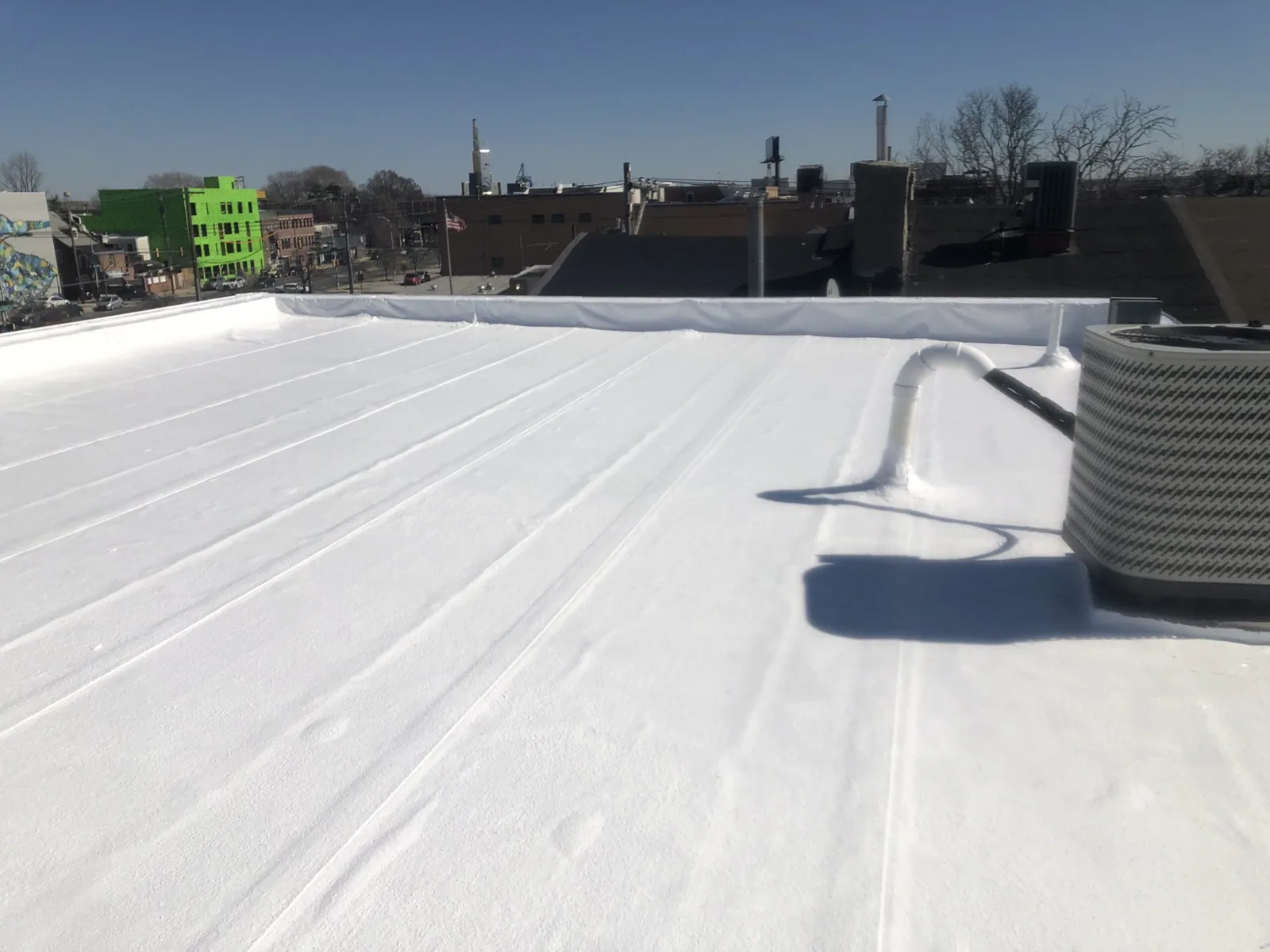
Commercial Roof Inspection in Thornton, CO
Thornton commercial roof inspections document roof-zone findings, photos and repair priorities. Use verified conditions to plan maintenance and capital work.
A roof inspection is most useful before the budget locks, when there is still time to test uncertain areas or move work into a better window. We walk the roof, inspect its details and connect visible conditions to the facility’s operating schedule. The record shows what needs action, what can remain in service and what evidence is missing. In Thornton, the May 30, 2024 hailstorm crossed the city and Northglenn and left documented roof damage. That event can set a review date, while the inspection determines what happened on each property.
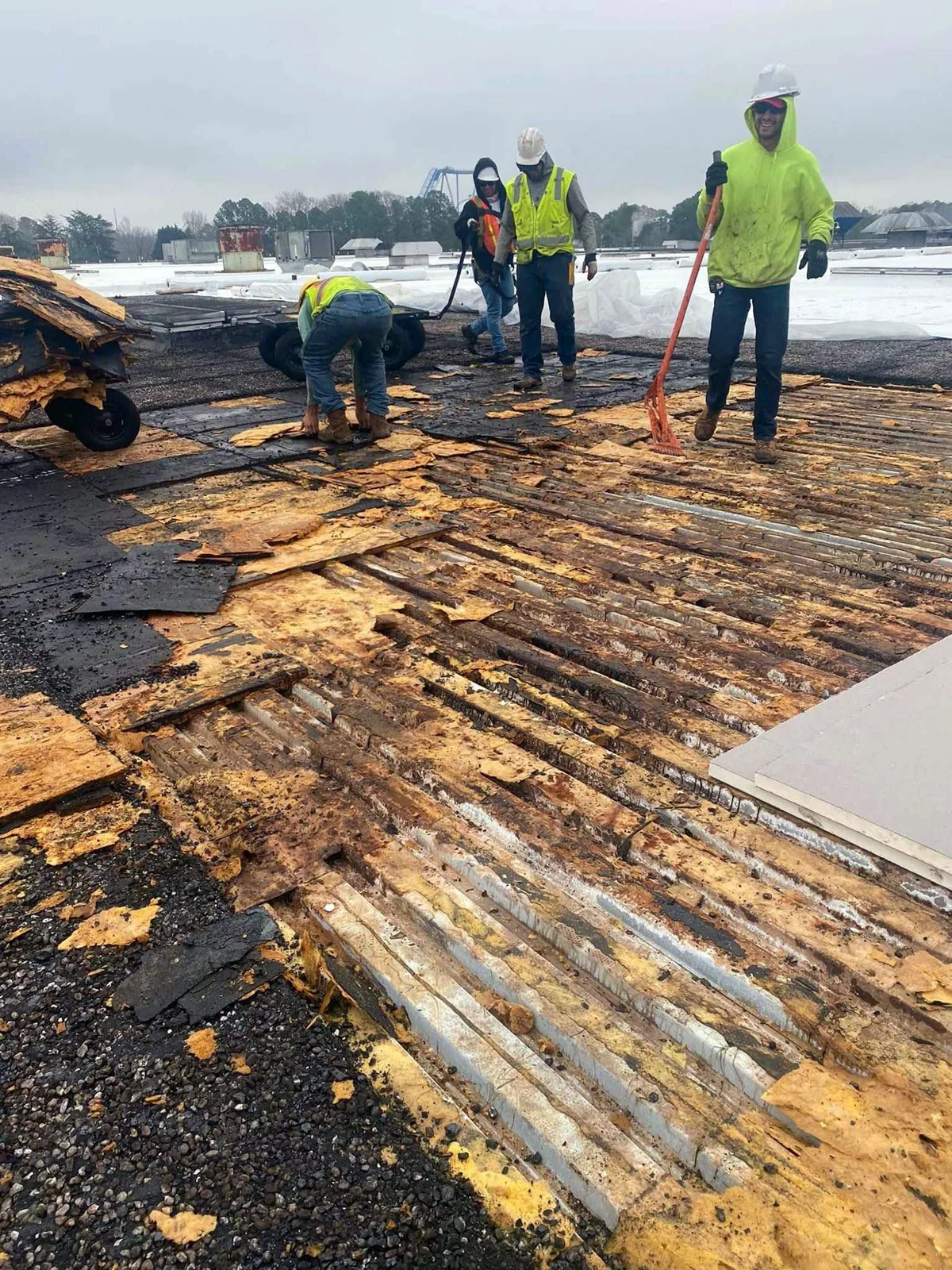
Roof zones: record condition by assembly
We identify each roof section and note membrane type when it can be verified, drainage paths, edges, penetrations, curbs, skylights and rooftop equipment. Findings include open seams, punctures, loose flashing, deteriorated sealant, ponding, debris, exposed insulation or signs of moisture below the surface. Photos show the condition in context. A close-up of one defect without its location can be hard to use later, so we connect each image to a roof zone and a recommended action.
At a multi-tenant facility, we also record access restrictions and operations that affect repairs. Thornton’s Market at 88th is a planned walkable retail destination at Washington Street and 88th Avenue. Its redevelopment context differs from an active warehouse or office, and its final building program can change. We do not infer roof materials or conditions from the land use. We inspect the actual buildings and distinguish existing findings from plans for future redevelopment.
Evidence: decide when testing is needed
A visual inspection can reveal surface and detail failures, but it cannot confirm every concealed layer. When staining, soft areas or repeated leaks suggest hidden moisture, we identify the location for additional testing. Infrared imaging can help map suspect thermal patterns; core cuts verify the assembly at selected points. We state what each method can and cannot establish. This keeps the condition record useful without presenting a scan as proof of water damage.
The inspection can also include a review of repair invoices, leak logs, prior test results and roof plans. If records disagree with field conditions, we mark the gap and recommend the next verification step. Our infrared moisture survey can support a targeted follow-up. If a suspected defect is already admitting water, we can write a repair scope while preserving a separate note for areas that still require evaluation.
Priority: rank action by building risk
We classify findings by urgency and consequence. Active water entry, loose material or an unsafe condition needs prompt attention. A developing seam issue may be scheduled before the next wet or snow season. A stable detail can remain on a monitoring list with a date to recheck. We explain why a finding falls in its category and what would raise or lower its priority. The record supports a practical repair reserve instead of treating every observed condition as an emergency.
For a portfolio, we can compare roofs by condition, recurring repair burden, tenant impact and available capital windows. North Valley Tech Center and the South Thornton Healthcare District are among Thornton’s planned commercial subareas, and each includes a different mix of employment and care uses. Those facts help define the operating context, but not the condition of any roof. We link each recommendation to its address, roof zone and supporting photo so a priority assigned to one property does not migrate to another.
Permit and replacement questions: verify before work
When inspection findings point toward replacement or a recover, we note questions that affect design and permitting. Thornton applies its adopted 2024 International Building Code and International Existing Building Code to covered permit applications. The city also adopted a 2024 energy code effective July 1, 2026. We identify the code question for project review rather than treating the inspection as a permit determination. Existing layers, roof slope, equipment, edge conditions and insulation findings may all affect the next scope.
A report can compare immediate repair, testing, maintenance and replacement planning, but it does not replace engineering or a permit review where required. Our replacement planning and recover assessment use inspection evidence to define their boundaries. If the roof remains serviceable, planned maintenance can address smaller conditions before they expand.
Timing: schedule the next inspection point
Inspection timing depends on roof condition, repair history, storm exposure, tenant needs and capital planning. A recent severe storm or active leak can move a building ahead of a routine cycle. Denver’s climate record includes substantial winter snowfall, and the November 2024 Front Range storm brought heavy snow to parts of the metro area. These are regional records, not conditions on an individual roof. They help frame seasonal access planning; a current forecast and actual roof surface determine the work window.
We can inspect before a capital review, after a repair, before a property transaction or when a leak pattern changes. For due diligence, the owner should provide roof plans and records, identify inaccessible areas and explain any upcoming tenant or equipment work. The deliverable states the inspection date, scope boundaries, findings, photos and next action. Where safe access was not available, we identify the portion that remains uninspected rather than implying full coverage.
Condition record: make the findings usable
A useful report gives the facility manager enough detail to act. It names the observed issue, roof zone, photo reference, urgency, recommended work and any needed test. We distinguish an estimate of condition from a confirmed assembly detail. A follow-up date can be assigned to stable findings so they are not lost between budget cycles. If an active claim or hail review exists, the report can organize storm-related observations separately from routine wear.
Send the address list, roof plans, leak history, access calendar and budget deadline. We will inspect the selected roofs, photograph each finding and group actions by urgency. For a larger inventory, condition reporting and capital planning can connect the inspection record to a work sequence that fits operations and funding.
Commercial Roofing Questions
What does a hands-on commercial roof inspection include?
We inspect accessible membrane areas, seams, flashing, curbs, penetrations, drains, edges and rooftop equipment. We note visible moisture clues, drainage concerns, active leaks and safety issues. Photos tie findings to roof zones. If concealed conditions need testing, the report says why and identifies a practical next check.
Can the inspection tell us how many years remain on the roof?
A visual review cannot assign an exact service life. We can describe current condition, repair history, observed deterioration and risks that may shorten or extend the planning window. Where moisture or attachment is uncertain, we recommend testing. The report can support a capital range and follow-up schedule without overstating what a field review establishes.
Should we inspect after the Thornton hailstorm?
The May 2024 storm crossed Thornton and Northglenn, and NWS documented roof damage along the track. If your property may have been exposed, an inspection can record current surface and detail conditions. We do not assume a building sustained damage from the regional report alone. The roof and interior evidence determines whether repair, testing or no immediate work is appropriate.
Will the report include a repair estimate?
The inspection identifies repair items and can support a written scope. Pricing depends on access, materials, number of locations, removal depth and conditions that are visible or concealed. We separate confirmed work from allowances that require testing or opening the assembly. If you need a repair proposal, we state its boundary and any exclusions clearly.
What should we prepare before an inspection?
Provide roof plans, access rules, leak logs, recent repair records and the budget date. Tell us about restricted areas, equipment shutdown procedures and tenant schedules. We will confirm which sections are accessible and identify any area that cannot be inspected safely. The report will note scope limits so future decisions use the right context.
Put roof conditions into the budget record
Send the building list, roof plans, repair history, access calendar and capital deadline. We will inspect the roof zones, photograph findings and identify the next action for each condition.
Call 555-555-5555 or send the form and we will set up a visit.