
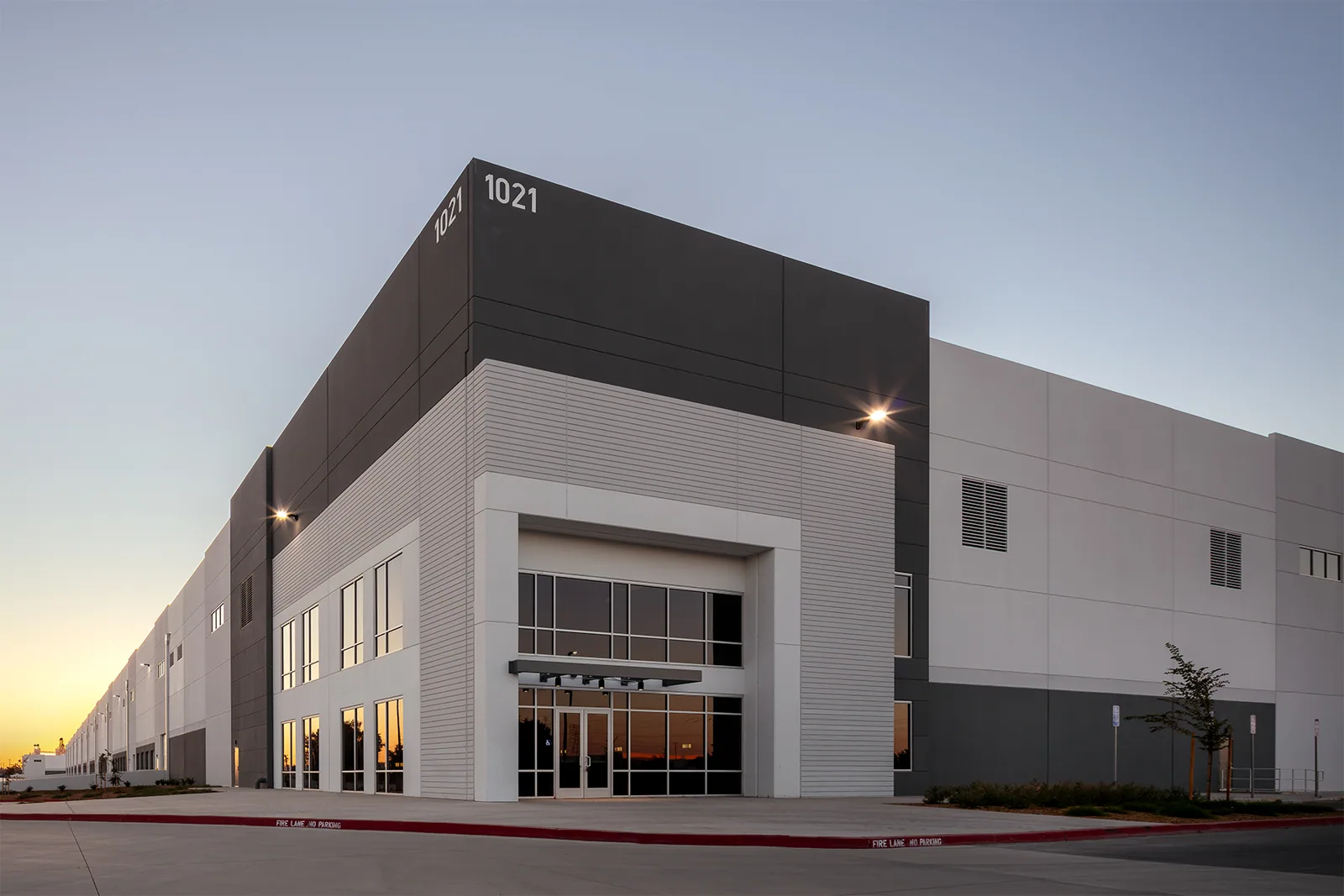
Commercial Roofing at North Washington Subarea, Thornton, CO
Coordinate commercial roof inspection and repair in Thornton’s North Washington Subarea, with scope tied to parcel access, corridor use and roof evidence.
The North Washington Subarea Plan, adopted in 2005, guides land-use and development decisions along a corridor that includes commercial and industrial activity. Roofing work still begins with a building-specific review: confirm the parcel, identify the roof zones, and check the actual assembly before choosing a repair or capital path. A planning document does not tell us which roof materials are present or whether a property needs work. We record visible conditions, access limits and the evidence that supports the next decision.
North Washington Commerce Center is one industrial property within the corridor, with multiple I-25 access points. Its published details help place the area, not other buildings’ roof condition. We verify address, gate instructions, deliveries, tenant hours and staging with each facility contact.
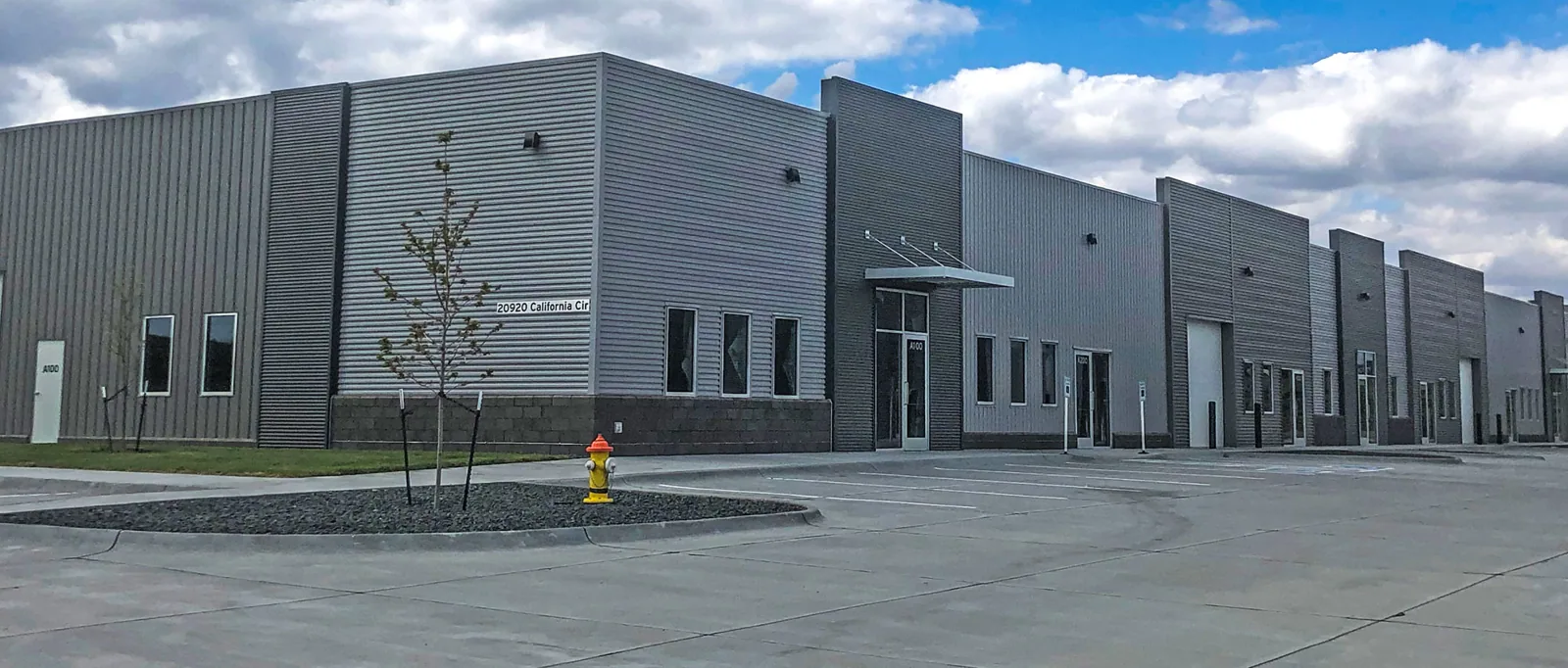
Corridor context: use the plan without assuming a roof type
A subarea boundary helps an owner locate property decisions, but it is not a roof inventory. The city’s plan guides land use and development. For each request, we confirm which structure is in scope, who controls access, whether the roof is shared and what operating restrictions apply. A building address and a recent roof plan are more useful for estimating than the corridor label alone.
North Washington Commerce Center lists multiple I-25 approaches. RTD’s N Line serves the station at Eastlake near 124th Avenue. The station and the industrial center sit in different operating contexts. North Washington Commerce Center and Eastlake at 124th Station Area help distinguish those local places. A job’s gate, hatch, escort and delivery route are still confirmed with its manager.
We review drawings, repair tickets, leak reports, equipment work and any known access hazard before the first visit. Diligence Notes identify the observed membrane or surfacing where confirmed, seam and flashing details, drains, perimeter condition and areas not reached. A commercial roof inspection can establish what is known before a repair estimate or replacement decision.
Roof assessment: trace evidence by section
Water entry may follow a seam, curb, wall transition or drain path before it appears inside. We compare each report with roof details and note prior repair locations. If the source is not clear, the condition record states what test could change the scope. A moisture survey or sample opening has a defined location, question and restoration method. Findings do not extend beyond the area tested unless other evidence supports that conclusion.
In May 2024, NWS documented roof effects along a hail route through Thornton and Northglenn. That history can make a post-event inspection timely after a facility reports exposure. It does not establish damage in the North Washington Subarea. We inspect actual roof surfaces and details, photograph conditions and record any inaccessible sections. Hail-damage review can organize the findings for the property file.
Where the defect is limited and surrounding material remains suitable, a local repair may control the issue. Repeated leakage, wet insulation, loose attachment or deteriorated edges may require testing or broader work. We identify which condition changes the recommendation and how a temporary protection task differs from permanent scope.
Scope planning: account for repair, removal and access
Pricing depends on dimensions, roof layers, deck repairs, insulation, cover board, perimeter metal, penetrations, disposal, staging and interior protection. We separate measured quantities from assumptions about concealed conditions. If a test result could change removal depth, that decision point is written into the estimate. Owners can compare a repair reserve with a full replacement without blending separate work boundaries.
Thornton applies its current 2024 building and existing-building code editions to covered permit applications. The updated energy requirements took effect July 1, 2026. When work changes the assembly or insulation, we confirm the permit date and project scope before finalizing code assumptions. A land-use plan does not substitute for that review.
Thornton reserves its more intensive warehouse designation for specific parts of the I-25 and E-470 corridors. This gives regional context for certain employment properties, not the use or roof type of a specific North Washington parcel. For an occupied building, phased roofing work can define crew routes, tenant notices and close-in. If removal is required, replacement scope states what is included and what remains dependent on opening the roof.
Weather schedule: protect the work boundary
Thornton’s weather requires planning for seasonal heat, storms and winter access. Denver climate records are regional context, not a site reading. We use the season to establish a planning window, then check the property forecast and assembly requirements on each work date. Before opening the roof, we set the maximum exposed section, dry-in point and material available for temporary protection.
The Front Range tornado season identified by Adams County runs from mid-May to mid-August. That timing supports a readiness check: who receives alerts, who can pause a lift and how workers leave the roof. It does not predict conditions on a specific shift. The crew lead and property contact use the current forecast and site rules to make the go or stop call.
When a corridor building is occupied, the sequence also considers loading, deliveries and pedestrian routes. We define the staging area, equipment access, daily closeout and the time the affected area returns to service. Any hold caused by weather, deck condition or a late detail is recorded with the next action and owner.
Record closeout: keep the plan tied to the property
Closeout identifies the exact structure and roof zones, work performed, material details, photos, inspection limits and open items. If a repair remains temporary, the record says who tracks permanent work. If a manufacturer-specific inspection or warranty process applies, it is checked against the installed assembly. We do not assume a term or approval.
A property manager can compare the report with future maintenance or a redevelopment decision while retaining the evidence. A photo-based condition report keeps observed facts with the date and roof location. Capital planning can carry a verified scope into a budget cycle and keep untested areas visible.
Send the parcel address, roof plan, leak history, access rules, tenant hours and capital deadline. We will inspect the defined areas and return repair, testing or replacement next steps by building.
Commercial Roofing Questions
Does the North Washington plan show a building’s roof condition?
No. It guides land-use decisions for the subarea. We inspect the actual property and confirm its assembly, repair history, access and current defects before assigning roofing work.
What should be confirmed before a site visit?
Provide the exact address, property contact, roof drawings, leak reports, access route, operating hours and staging restrictions. We use that information to identify what can be inspected and what requires additional approval.
Can a roof repair be coordinated with redevelopment planning?
Yes. We separate immediate water control from longer-term renewal and document assumptions that depend on a future project. The property owner can then compare repair timing with its land-use and capital decisions.
What supports a recover instead of tear-off?
The existing layers, moisture, attachment, deck, drainage and permit scope must support the assembly. We identify what is verified and what test would change the recommendation before pricing an overlay.
How do weather delays affect an occupied property?
We set a secure daily boundary and identify the action if forecast conditions stop work. The manager receives an updated access schedule, protection status and the next area planned for release.
Ground the roof decision in the right parcel
Send the property address, roof plan, leak reports, access instructions and capital date. We will inspect the defined zones and return findings and next actions with assumptions stated.
Call 555-555-5555 or send the form and we will set up a visit.