
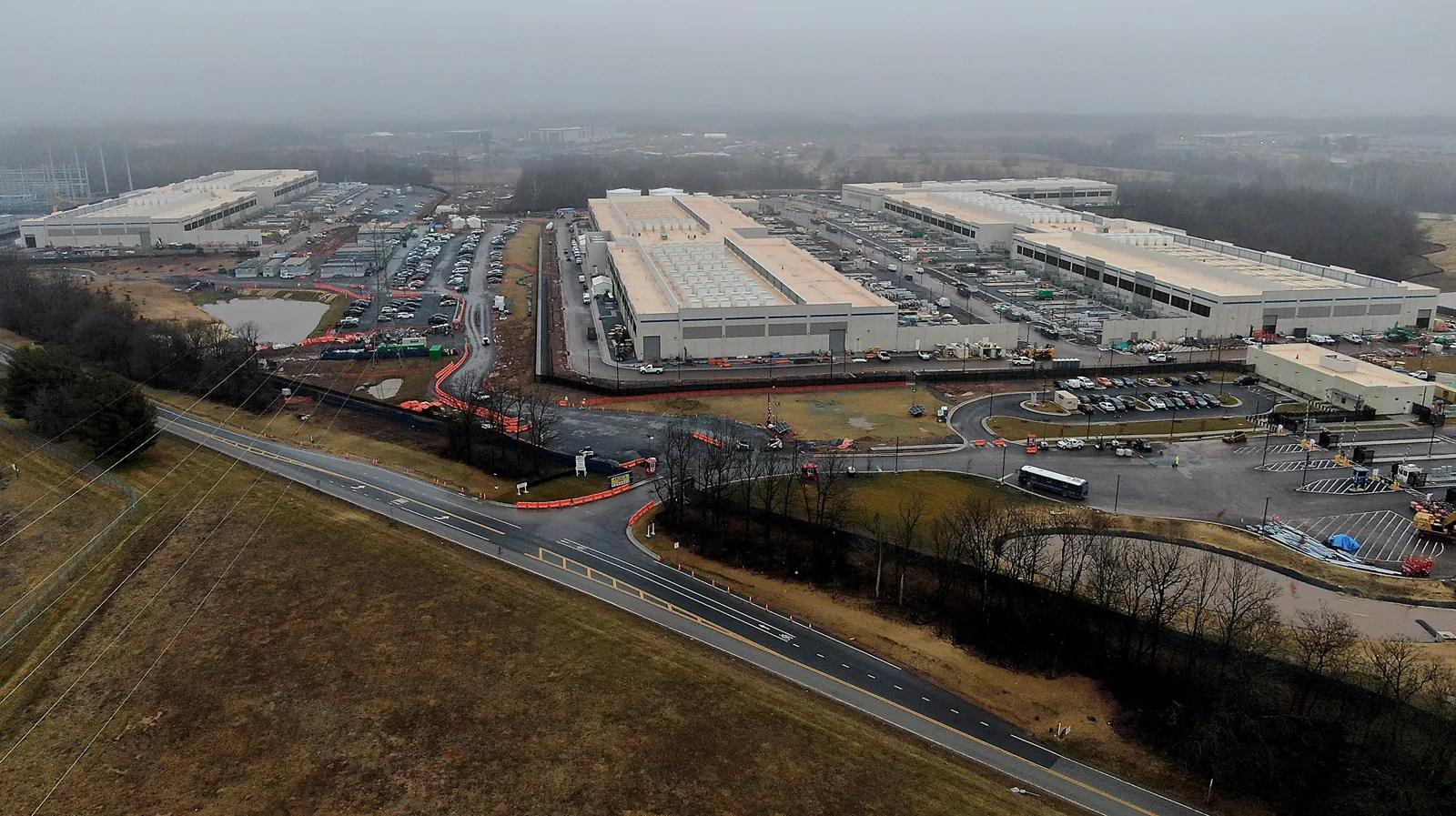
Data Center Roofing in Thornton, CO
Plan data-center roof repairs in Thornton around uptime, cooling equipment and controlled access. We map water risk, penetrations and work windows by zone.
A moisture alarm near a cooling unit can trigger an immediate roof review even before water reaches a rack room. We inspect the membrane, drains, equipment curbs and service routes, then coordinate access with facility operations. A data center roof plan must protect uptime and preserve safe paths for technicians. Each finding is tied to the system below and a work window the site can support.
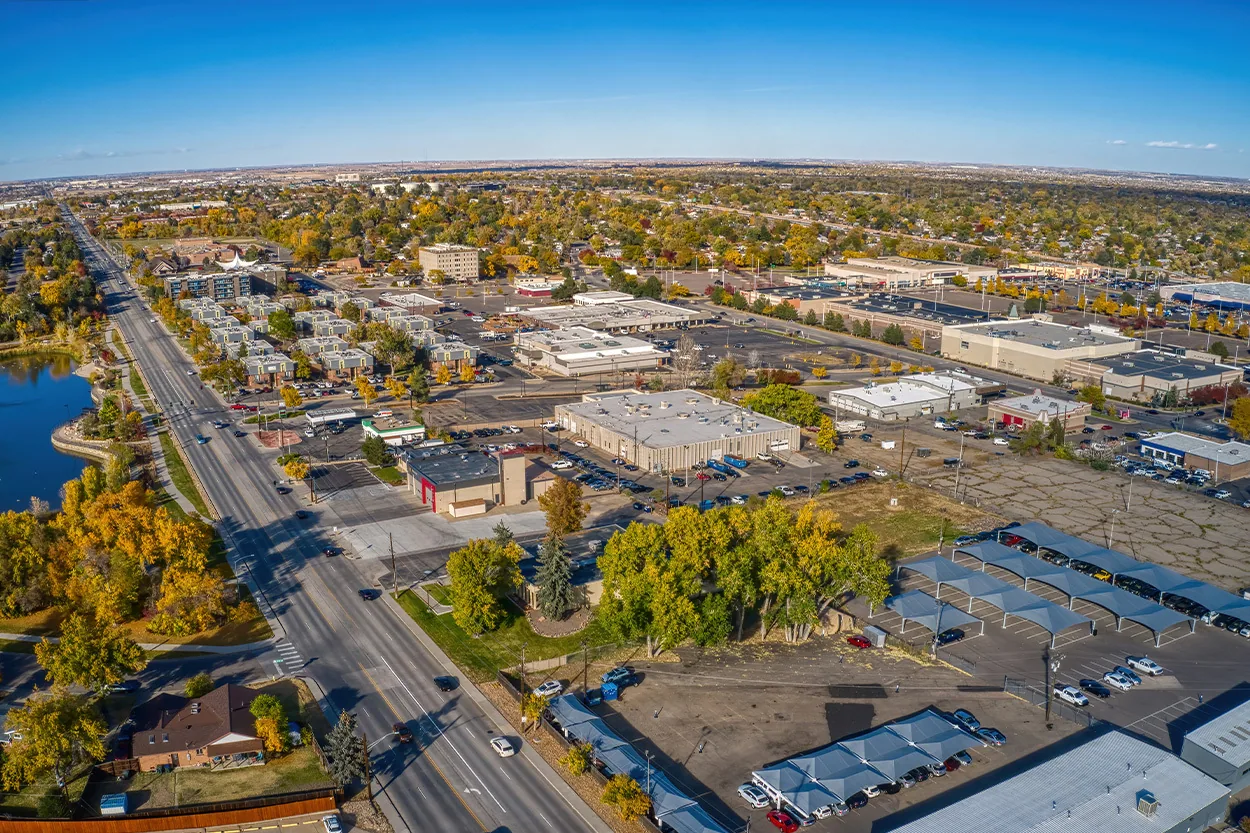
Water risk: protect critical rooms and power paths
We identify roof areas above server rooms, electrical equipment, battery spaces, cooling plant and cable routes. The facility team confirms which rooms are critical and what interior protection is required. On the roof, we inspect seams, penetrations, drains, expansion joints and equipment supports. The location of an alarm helps set priority, but water can travel before it appears indoors. We trace the roof path and mark what is confirmed, tested or still uncertain.
A small opening can threaten a sensitive area, so the repair boundary and close-in plan need to be clear before material is removed. We coordinate notifications, escort rules, rooftop access, noise limits and any cooling-system shutdown. If leakage is active, our emergency team can respond at any hour with temporary protection while permanent repairs are scheduled. Leak diagnosis and urgent response should preserve the facility’s access and incident procedures.
Cooling plant: inspect curbs, pipes and service clearances
Cooling equipment concentrates penetrations, pipes, conduit and service traffic in defined roof zones. We examine curb flashing, support bases, membrane wear and water movement around each unit. If a unit needs to be lifted, roofing and mechanical work must share a sequence, with temporary protection and final close-in assigned. A pipe support that bears on the membrane may also need correction if movement has worn the surface.
Thornton’s Business Park district permits employment, industrial, clinic and warehouse uses in designated areas. That describes a range of development, not a data center at a particular address. The facility’s cooling equipment and access plan must come from its roof schedule. Equipment-curb work can coordinate with mechanical service, while drain inspection keeps cooling areas from blocking water paths.
Access controls: set a work window the site can support
Data-center access may require visitor approval, escorting, equipment registration and restricted photography. We follow the facility’s rules and confirm the inspection route in advance. The site identifies what can be shut down, which areas need a watch and how work notifications are handled. We establish the roof zone, staging area, access route and return-to-service check before mobilization.
North Valley Tech Center is identified by Thornton as a major economic generator in South Thornton. That local technology context does not establish a building’s data-center status or roof system. For an actual facility, we use the owner’s address, site drawings and equipment schedule to define the access plan. If the building remains active during work, phased roofing can limit noise and keep unaffected zones available.
Condition evidence: test the roof without overreading it
We map roof zones, seams, perimeter details, moisture signs, previous repairs and drainage. Infrared patterns can direct follow-up, while core cuts or selective openings confirm only the sampled area. We document tests and limits rather than extend one result to the whole campus. For a data center with several additions, we verify which areas share a deck and membrane. That matters when one cooling plant has a different assembly from another building.
A May 30, 2024 hail event produced roof-damage reports in Thornton and Northglenn. We inspect this facility for punctures, damaged metal or displaced details. Regional reporting cannot establish the condition of a data-center roof. Denver snow records can inform seasonal planning, but current forecast and safe access govern the inspection. If hail or wind is suspected, a hands-on review can map affected areas before repairs are priced.
Repair threshold: weigh short work against uptime risk
A local repair may suit an isolated defect when the surrounding membrane, insulation and attachment remain sound. Repeated leaks, widespread moisture, weak seams or deteriorated edges may justify replacement planning. We compare repair boundaries, test findings and access limits, then identify which work can occur in a planned window. A recover is considered only if the existing layers are dry, stable and compatible with the proposed assembly.
Data-center roofing has a different risk profile from office-building work, where tenant comfort and entrances may drive the schedule. It also differs from a manufacturing roof, where exhaust and production controls are central. The data-center proposal should state which rooms, cooling paths and access controls the sequence protects. A substrate repair may be needed before the final membrane is installed.
Capital scope: price access, testing and close-in
Cost changes with roof height, equipment density, escort and access requirements, test locations, insulation removal, deck work and the size of each close-in zone. We separate roofing from cooling-system work, electrical changes and monitoring. If a test opening finds wet layers or damaged deck, the proposal explains the approval step and how additional quantities are recorded. That gives facilities and finance a scope linked to both condition and uptime needs.
Thornton’s July temperature record is reported for Denver and provides regional heat context, not a rooftop reading at the data center. We confirm the actual surface and forecast before setting application or repair dates. At North Valley Tech Center, the city’s planning materials identify a technology-focused business area; individual building operations and roof systems still require confirmation. Condition reporting can preserve repair history by equipment zone.
Closeout: return the access and repair record
We document materials, photographs, testing, completed zones, access restrictions and any area that remains unverified. Closeout should identify roof hatches, cooling-unit perimeters, drains and locations where future work needs an escort. The facility can retain the record with its incident and maintenance procedures. That gives the next operator a clear map of what was repaired and what still needs inspection.
Send roof plans, equipment tags, alarm locations, access procedures, work-hour limits, leak records and the capital deadline. We will map water risk and set a sequence with defined close-in points. Near Crossroads 25, regional freight access can inform material logistics, while a data-center property’s specific security and staging rules determine delivery. Our scope will state those requirements before work begins.
Commercial Roofing Questions
How do you repair a leak above a critical data-center room?
We identify the affected room, map the roof above it and set an access and protection plan with facility operations. If water is entering, we can stabilize the area while tracing the source. The permanent repair scope states test findings and any limitation that remains.
Can roof work proceed without shutting down cooling equipment?
We inspect the work area and coordinate equipment clearances, service access and any required shutdown with the facility team. Some repairs can proceed while units operate; a curb lift or system change may require a controlled outage. The work sequence makes that decision before mobilization.
What does a data-center roof inspection include?
We map seams, drains, penetrations, edge details, cooling supports, moisture indicators and interior reports by roof zone. Testing is identified separately from visual review. The record states which areas were accessible and what needs confirmation through an opening.
How do you handle restricted access and photography?
We follow the facility’s visitor, escort, equipment and image rules. Before inspection, the site identifies approved routes and documentation limits. The report can use permitted descriptions and location identifiers while keeping restricted areas within the owner’s record process.
When should a data center replace instead of repair its roof?
Repeated leakage, widespread wet insulation, failed attachment or deterioration across several zones can move the decision toward replacement. We map those findings and compare a planned renewal with localized work. The report explains testing and access needs that may affect the final scope.
Set a roof scope that respects uptime
Share roof and equipment plans, incident locations, access rules, work limits and the capital date. We will map roof zones, testing needs and close-in requirements before scheduling.
Call 555-555-5555 or send the form and we will set up a visit.