
Commercial Modified Bitumen Roofing in Thornton, CO
Repair or replace modified bitumen roofing in Thornton. Review ply seams, surfacing, drainage and insulation before setting a repair or tear-off scope.
A blister at a modified-bitumen lap can hold moisture or signal movement beneath the surface. We inspect the ply edges, cap sheet, flashing and drainage before deciding whether to repair that area or open the assembly. The surface may be mineral-surfaced or protected with a coating, but the roof’s layers and bond condition determine the scope. A clear record keeps a small defect from becoming an unsupported full-roof recommendation.
Ply construction: identify the layer that failed
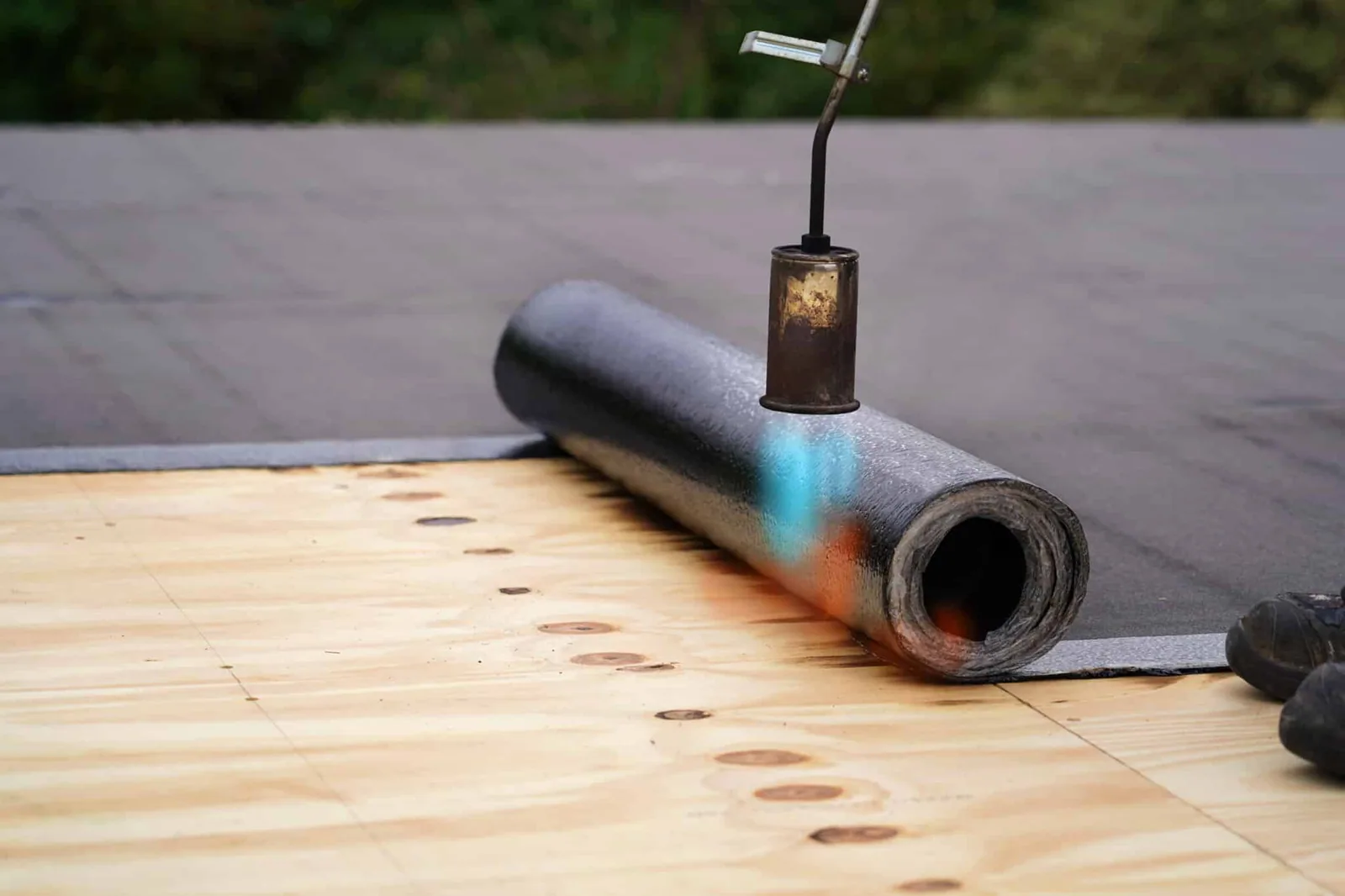
Modified bitumen is a multi-ply asphalt roofing system, commonly made with SBS or APP modifiers. The assembly can include a base sheet, reinforcing plies and a cap sheet, installed with an approved attachment method. We identify the visible layers, laps, surfacing and prior patches before proposing work. A leak at a lap differs from a split at a wall or a puncture in the field. The repair should reach sound material and restore the intended layer sequence.
We check for open laps, cracks, fishmouths, blisters, exposed reinforcement, loose granules and surface wear. The condition record notes which defects are active, which need testing and which can be monitored. For older buildings with multiple roof sections, we verify whether each section uses the same assembly. A hands-on inspection can map transitions, while insulation review helps determine whether moisture lies below the bituminous plies.
Repair detail: restore the lap and surface
Repair materials and preparation depend on the modified-bitumen product, surfacing and existing condition. We remove loose material, dry the area and tie the repair into sound plies using compatible components. A surface coating or mastic can mask a split without restoring a failed lap. At walls, drains and curbs, we inspect the flashing height and termination as well as the field. The scope identifies any detail that needs reconstruction beyond a small patch.
Where the roof has mineral surfacing, we prepare the granules and expose enough compatible material for the specified repair. If an existing coating is present, we verify adhesion and compatibility before applying more. The same roof can have different conditions around an exhaust curb and at a clear field area. Near Denver Premium Outlets, retail access and shared areas may affect staging and protection below; the property’s actual membrane still requires direct inspection.
SBS or APP: follow the documented system
SBS and APP refer to different modifiers and product behavior. Product sheets and project specifications control which rolls, adhesives, primers and installation methods are appropriate. We do not infer the modifier from color or a partial label. If records are missing, we document visible clues and identify any sampling or manufacturer review needed before specifying a tie-in. That prevents a repair from relying on a material assumption.
The installation method can affect work planning, roof access, odor controls and fire-safety procedures. We review project requirements and the site’s operating rules before scheduling. Where hot work is specified, the required permits, monitoring and fire watch must be coordinated with the responsible facility personnel. At 25 Commerce Park, delivery and access may vary among warehouse, distribution, showroom, flex and manufacturing users. We confirm staging with the individual property and keep the work boundary clear for tenants and deliveries.
Drainage review: do not seal a low area into place
Water that remains on the surface can hide a lap or stress the cap sheet. We inspect drains, scuppers, crickets and low areas before repairing or resurfacing a modified-bitumen roof. A blocked outlet may need cleaning; a recurring depression can require taper, deck review or broader correction. We document the drainage path and any ponding that remains after outlets are clear. Applying a new surface over a known low area does not change its geometry.
Thornton and Northglenn were crossed by a hailstorm on May 30, 2024, and NWS reported roof damage. That local event can prompt review of exposed surfacing and flashing, but it cannot diagnose a specific bituminous assembly. We photograph suspected impact and compare it with the maintenance record. A hail-damage evaluation can separate event-related conditions from preexisting wear, and drainage service can be coordinated where runoff needs correction.
Repair threshold: compare patching with renewal
Localized repairs may remain practical when the plies are bonded, the insulation is dry and failures are isolated. Repeated splits, widespread moisture, loose surfacing or failing flashings can move the decision toward tear-off. We test suspect zones, inspect representative details and mark the replacement threshold based on the evidence. If one addition has a different assembly, its condition should not automatically set the scope for every roof section.
For a roof with a serviceable base and compatible layers, a recover may be considered if the assembly, code and drainage allow it. A built-up roof comparison or EPDM alternative can be evaluated when renewal is planned. The owner receives separate quantities for removal, insulation, deck repairs, perimeter work and access so options can be compared against the capital date.
Work window: control heat, moisture and staging
Bituminous materials need appropriate surface preparation and installation conditions. Wet substrate, snow or ice can interrupt work, while material deliveries and occupied areas influence staging. We define daily work zones and secure tie-ins before the crew leaves. If removal exposes a different roof build-up or damaged deck, we document the condition and agree on the next scope before closing it. The schedule includes protection below and access routes for the facility.
Denver’s winter snowfall record provides regional context for planning, but a current forecast and site inspection set the work date. We confirm safe travel, dry conditions and the selected system’s installation requirements. In a phased project, completed sections are protected from traffic and roof debris. The condition record lists any area postponed for weather, so the owner knows what remains before the next capital review.
Cost basis: list layers, edges and unknowns
Cost reflects the number of plies, tear-off depth, surfacing, insulation, deck condition, edge metal, penetrations and roof access. Fire-safety controls or restricted work hours can also change sequencing. We identify known quantities and a method for concealed conditions discovered after opening. That gives the owner a repair scope with defined limits rather than a broad allowance that obscures what is included.
At closeout, we photograph the repaired laps, flashings and transition points, then identify any area that needs observation. For a portfolio, condition reporting can tie findings to each address. Send the roof plan, repair history, access rules, leak locations and budget deadline. We will verify the assembly and return a scope for repair, recover or replacement.
Commercial Roofing Questions
How can we tell whether the roof uses SBS or APP modified bitumen?
We review the roof records, product labels and available specification, then verify visible layers during inspection. A partial label or surface appearance may not establish the modifier. If the record is incomplete, we identify what product information or sampling is needed before selecting repair materials.
Can a blister simply be cut and patched?
The cause and extent need review first. A blister may contain moisture or reflect bond loss between plies. We inspect the surrounding material, open only where the scope requires and rebuild the affected layers with compatible products. A surface patch can leave the underlying condition in place.
Does granule loss mean modified bitumen must be replaced?
Not by itself. We check whether reinforcement is exposed, whether cracks or splits are present and how widespread the wear is. Localized surfacing loss may be repairable; broader deterioration, wet insulation or repeated leaks can change the recommendation.
Can new modified bitumen go over the existing roof?
A recover is considered only after checking moisture, attachment, layer count, drainage, code and compatibility. We identify where the existing roof can remain and where removal is required. The proposal should show the limits and the conditions that could change them.
What changes the schedule for bituminous roof work?
Installation method, surface moisture, temperature, staging, fire-safety procedures and occupied operations all affect timing. We confirm the project requirements and daily close-in plan before mobilization. Weather or concealed damage can require a revised work zone.
Confirm the bituminous layers before repair
Share roof records, repair history, leak locations, access rules and capital timing. We will inspect the plies and transitions, then compare a repair with broader renewal.
Call 555-555-5555 or send the form and we will set up a visit.