
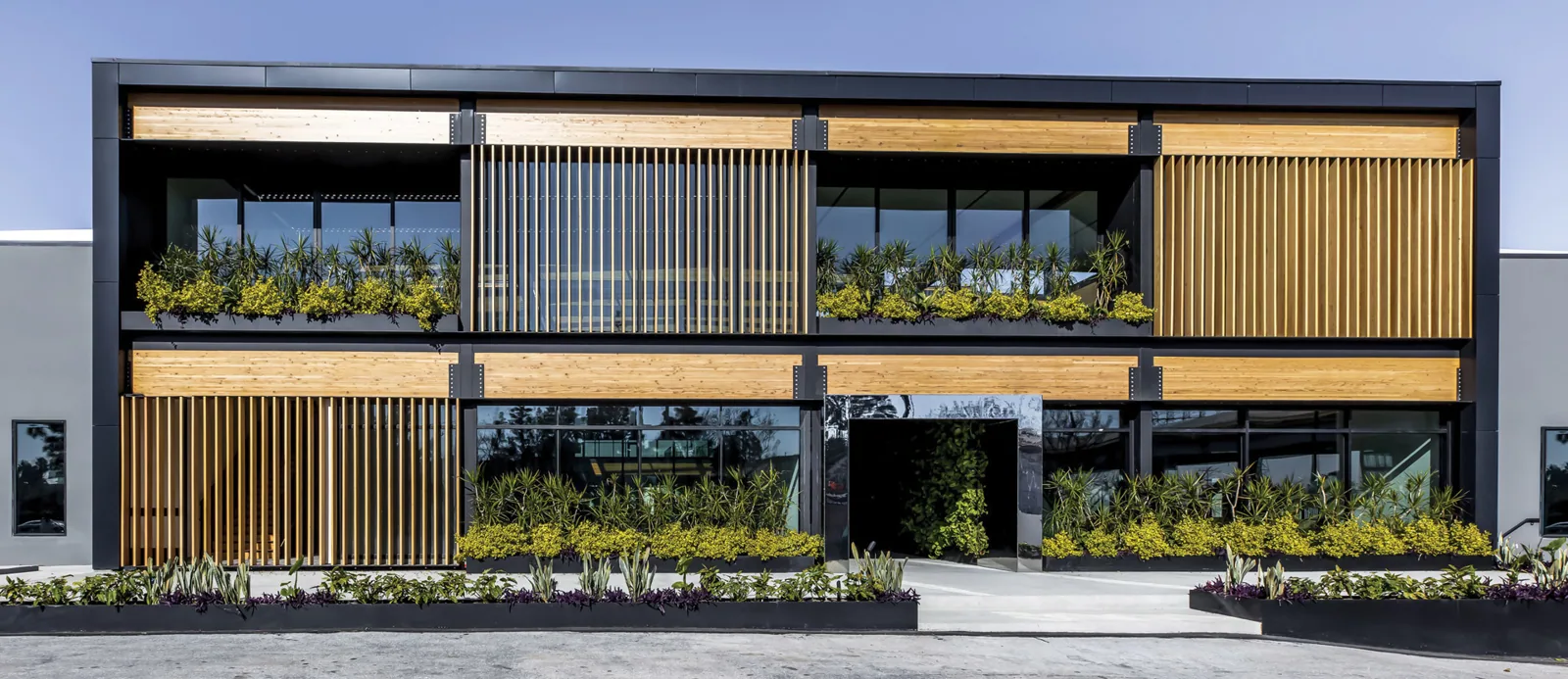
Commercial Warehouse Roofing in Thornton, CO
Repair and replace warehouse roofs in Thornton. Map leaks, docks, rooftop equipment and drainage before setting a work sequence or capital scope.
A leak above an active dock can put inventory, dispatch and roof access on the same schedule. We inspect the membrane, edges, drains and equipment zones, then separate urgent protection from planned work. Warehouse roofing in Thornton requires a roof-zone map and a delivery plan. The building’s layout, assembly and operating hours determine the scope, not the business-park label.
Loading routes: protect the active dock
We identify loading doors, truck courts, interior storage and any area where water could affect materials or equipment. On the roof, we check membrane seams, drains, curbs, roof hatches and service paths. The access plan marks where lifts, dumpsters or material pallets can be staged without blocking deliveries. If a dock must remain open, the work can be divided by building section and scheduled around dispatch periods. We also set a safe path for ladders and equipment so roof access does not cross active vehicle lanes. The facility contact can identify shift changes and inventory holds before the sequence is issued.
25 Commerce Park includes warehouse and distribution uses alongside showroom, flex and manufacturing space. That mix can mean different access rules across a commercial park, but it does not tell us the roof type or loading pattern of one tenant. We confirm each property with the facility contact. For multi-building owners, distribution-center roofing addresses the added sequencing needs of fulfillment operations.
Roof zones: trace the leak and drainage path
A ceiling stain near a rack aisle may be several feet from the roof opening. We compare interior reports with seams, fasteners, penetrations, drains and changes in roof elevation. Water can travel below the membrane before reaching the occupied space. We mark the likely entry point, test suspect areas and state where the source remains uncertain. That gives the owner a repair scope tied to the roof rather than a patch placed directly above the stain.
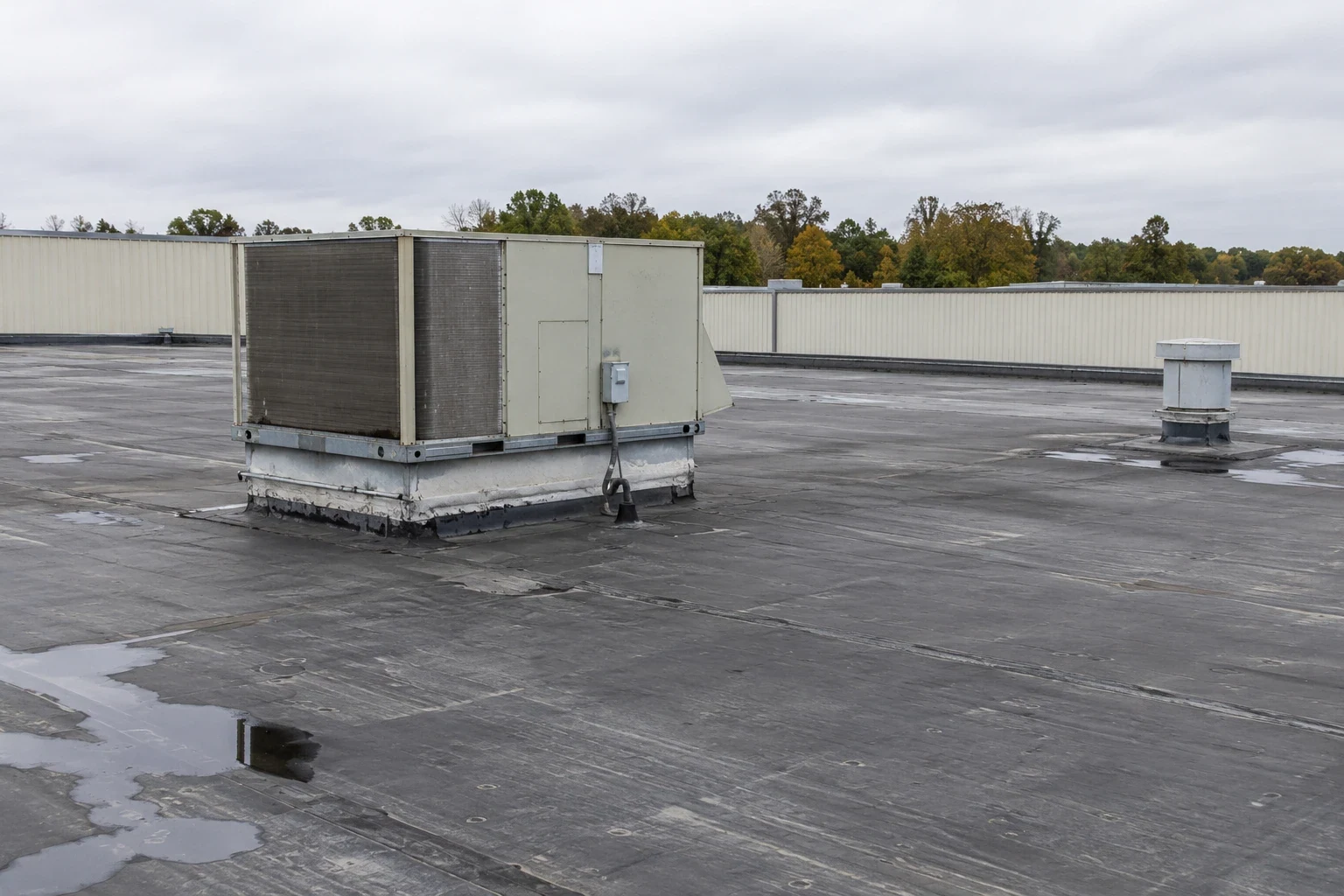
Warehouse roofs often include multiple curbs and rooftop equipment. We inspect the membrane at each base and coordinate mechanical access before repair. If low areas retain water, drain and scupper work can address the outlet, while tapered insulation or deck review may be needed for geometry. Moisture mapping can help identify areas for confirmation before tear-off quantities are set.
Thornton weather: plan inspections before access closes
Hail can damage exposed details or puncture a membrane, and snow or ice can limit safe travel across the roof. Late May 2024 hail reports from Thornton and Northglenn included stones around one to two inches and roof impacts. We use that regional event to prompt a review where exposure is reported, then document this warehouse directly. We photograph observed impact and distinguish it from older wear or repairs.
Denver snowfall records provide regional planning context; they are not measurements from a particular Thornton facility. We review the current forecast and surface before setting a work date. If weather pauses a project, the plan defines what can be opened and secured during the shift. Where water is entering, our emergency response can protect inventory and interior operations while permanent work is arranged.
Repair versus renewal: use the inspection record
A targeted repair may be appropriate when leakage is limited and surrounding insulation, attachment and membrane remain sound. Repeated seam failures, broad moisture or failing edges can move the replacement threshold. We inspect representative areas, document test results and list remaining unknowns. If the existing assembly is dry and stable, a recover may be compared with tear-off. Each option should show removal, insulation, deck repairs, details and access assumptions separately.
Thornton’s Business Park district permits warehouse uses in limited areas along I-25 and E-470. For a facility near those employment routes, truck scheduling and material delivery can affect work sequencing; site conditions still control. TPO roofing may be one option for a low-slope replacement when the assembly requirements fit. We compare the selected system with the existing deck, insulation and rooftop traffic instead of assuming one material suits every warehouse.
Capital scope: price access and production limits
Warehouse roofing cost changes with roof height, assembly layers, equipment congestion, dock access, interior protection, tear-off depth and disposal. A facility that cannot stop loading may need smaller phases or added mobilization. We identify known quantities and provide an approval method for concealed deck or insulation conditions. The owner can compare the base repair with replacement while seeing how operations change each schedule.
At Crossroads 25, the planned industrial and logistics development sits at I-25 and E-470. That location helps frame regional access; it does not establish the roof construction at an individual building. We verify staging, dock routes and tenant hours before setting the sequence. A photo-backed condition report can preserve findings by roof zone for future budgeting.
Closeout: hand back a roof-zone record
After the work, we photograph repaired seams, edges, drains and penetrations, then record materials and any remaining concern. The closeout identifies zones that were not accessible and any follow-up check needed after rain. That record helps the facility team match a future leak to prior repairs and prioritize the next capital window. A roof map is most useful when building identifiers and dock areas are clear.
Send the roof plan, leak log, inventory-sensitive areas, loading schedule, access rules and budget deadline. We will inspect the affected zones and return a verified scope with the work sequence. For a cold or refrigerated operation, cold-storage roof planning can add temperature and vapor-control considerations. The final proposal will state protection needs and daily close-in limits.
Commercial Roofing Questions
How do you protect stored goods during a warehouse roof repair?
We map the area below the work, identify sensitive inventory and agree on interior protection before opening the roof. The daily work boundary is set so the crew can complete and secure each zone. If a leak is active, we prioritize temporary protection while the permanent scope is confirmed.
Can roofing work continue while trucks use the dock?
A site plan can separate roof access, staging and truck movement. We coordinate delivery periods, lifts and any blocked routes with the warehouse manager. Some work may need a short access restriction, which the schedule should identify before materials arrive.
What causes recurring leaks over rack aisles?
A leak may enter at a seam, curb, penetration, drain or roof transition and travel before it reaches the interior. We trace the water path and inspect the assembly above the reported area. Moisture testing may be needed to define how much insulation is affected.
Should we replace the whole warehouse roof after hail?
A hail report is a reason to inspect, not a replacement scope. We document visible impact, test suspect areas and compare localized repair with broader moisture or attachment findings. The property-specific condition determines the recommendation.
What affects the schedule for a warehouse reroof?
Loading hours, roof access, material staging, weather, tear-off depth, equipment and daily close-in capacity all affect timing. We set zones and delivery routes with the facility team. Concealed deck conditions or unsafe weather can change the sequence after work begins.
Map warehouse roof work around operations
Share roof plans, leak locations, loading hours, access rules, inventory concerns and the capital deadline. We will inspect each zone and return a scope that protects daily operations.
Call 555-555-5555 or send the form and we will set up a visit.