
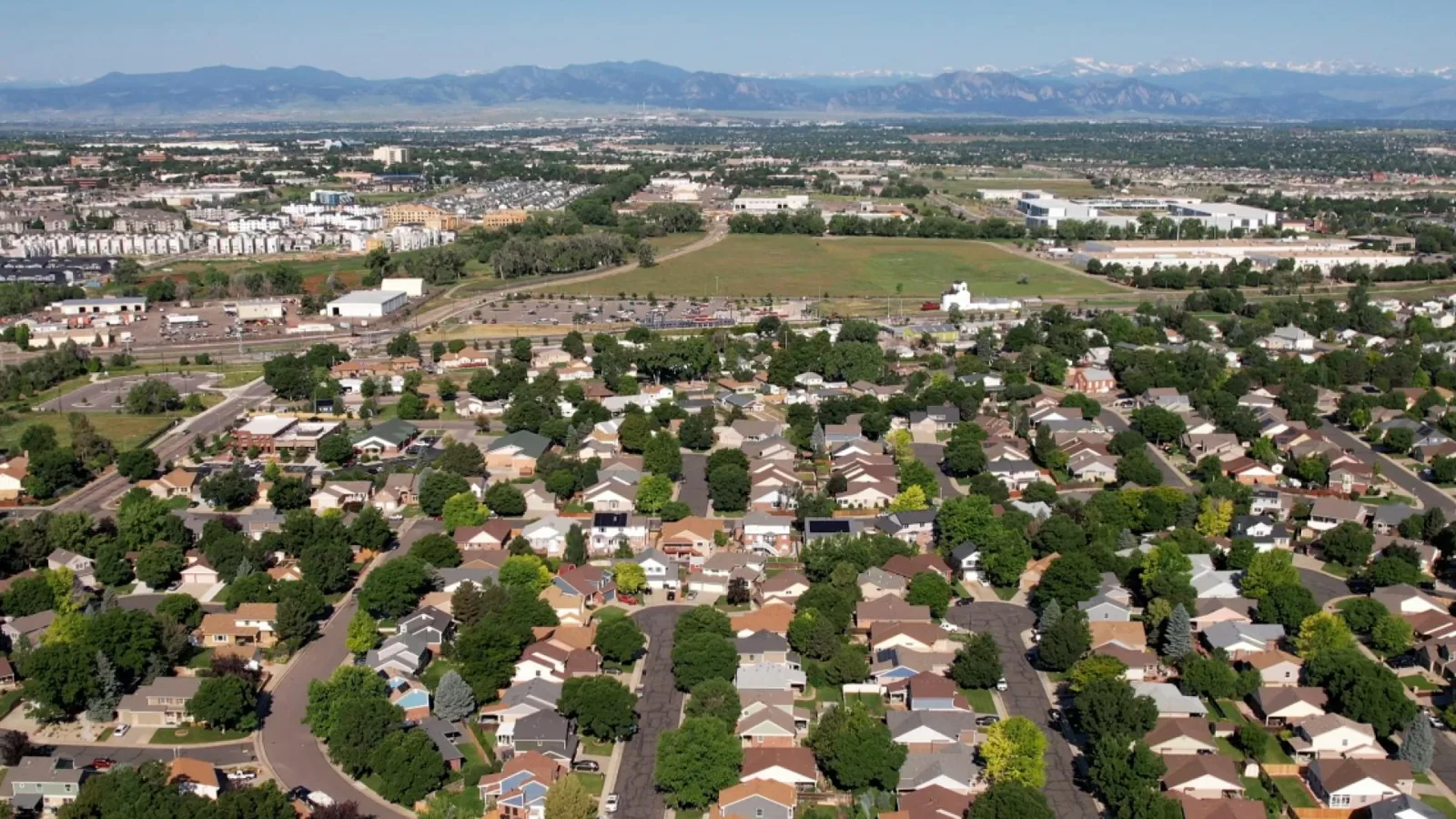
Roofing Capabilities in Thornton, CO
Build a Thornton, CO roof program from inspections, reports, capital planning and multi-site coordination. Keep evidence and priorities clear by building.
A roof inventory only helps when the underlying findings can change a decision. We inspect, map conditions, record uncertainty and connect the next action to each building’s operating and budget calendar. A storm report or an aging repair file may bring an asset forward for review, but neither substitutes for current roof evidence. Our capabilities support a single facility or a portfolio, with each roof zone and access limitation retained in the record.
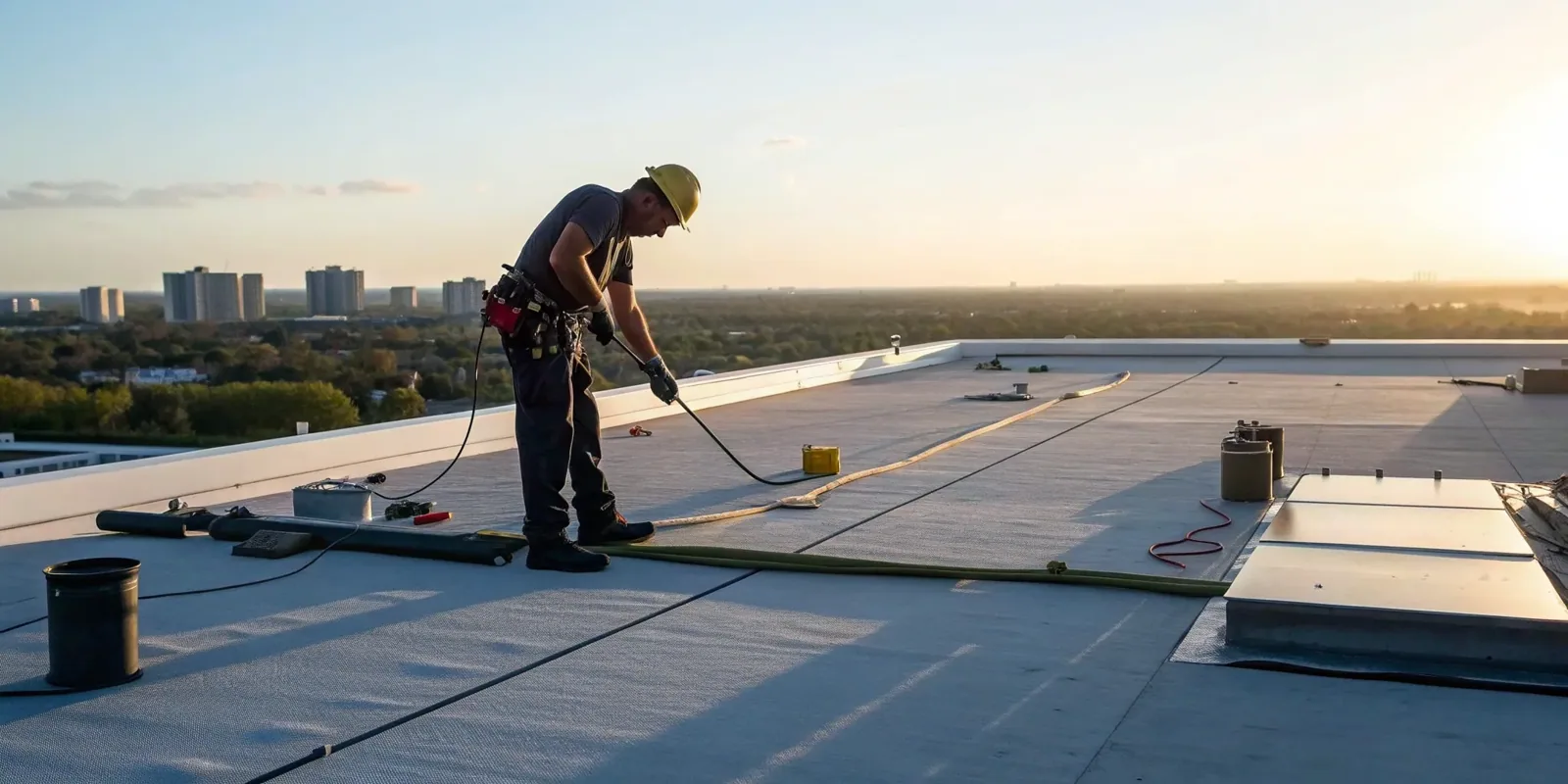
Track roof condition, repairs, access limits and decision dates across Thornton properties with a usable asset register for facilities teams.
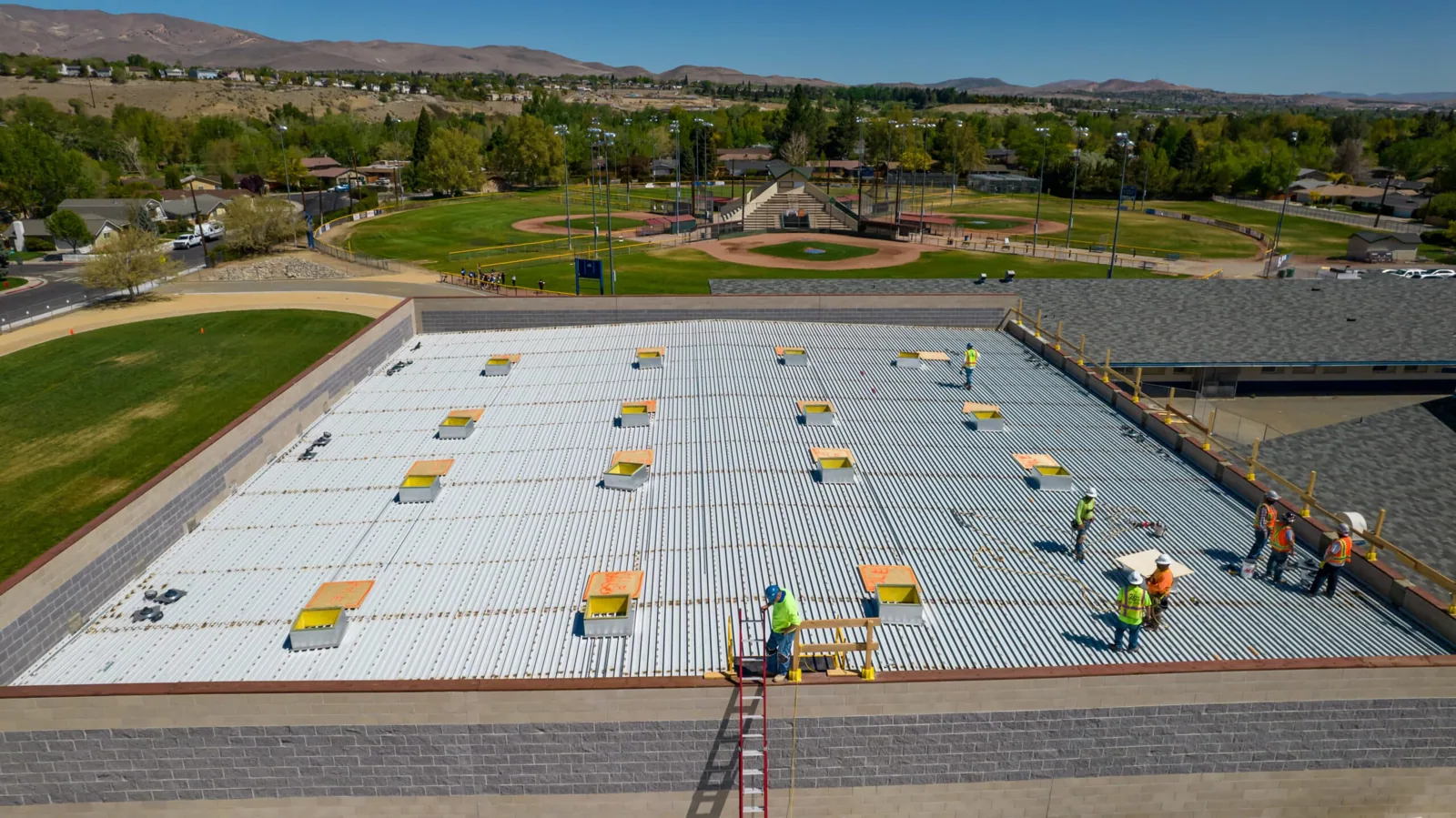
Set roof funding priorities, replacement timing and testing allowances around condition evidence, permit requirements and operating calendars in Thornton.

Receive a roof-zone report with dated photos, observed conditions, inspection limits and repair priorities for commercial properties in Thornton.
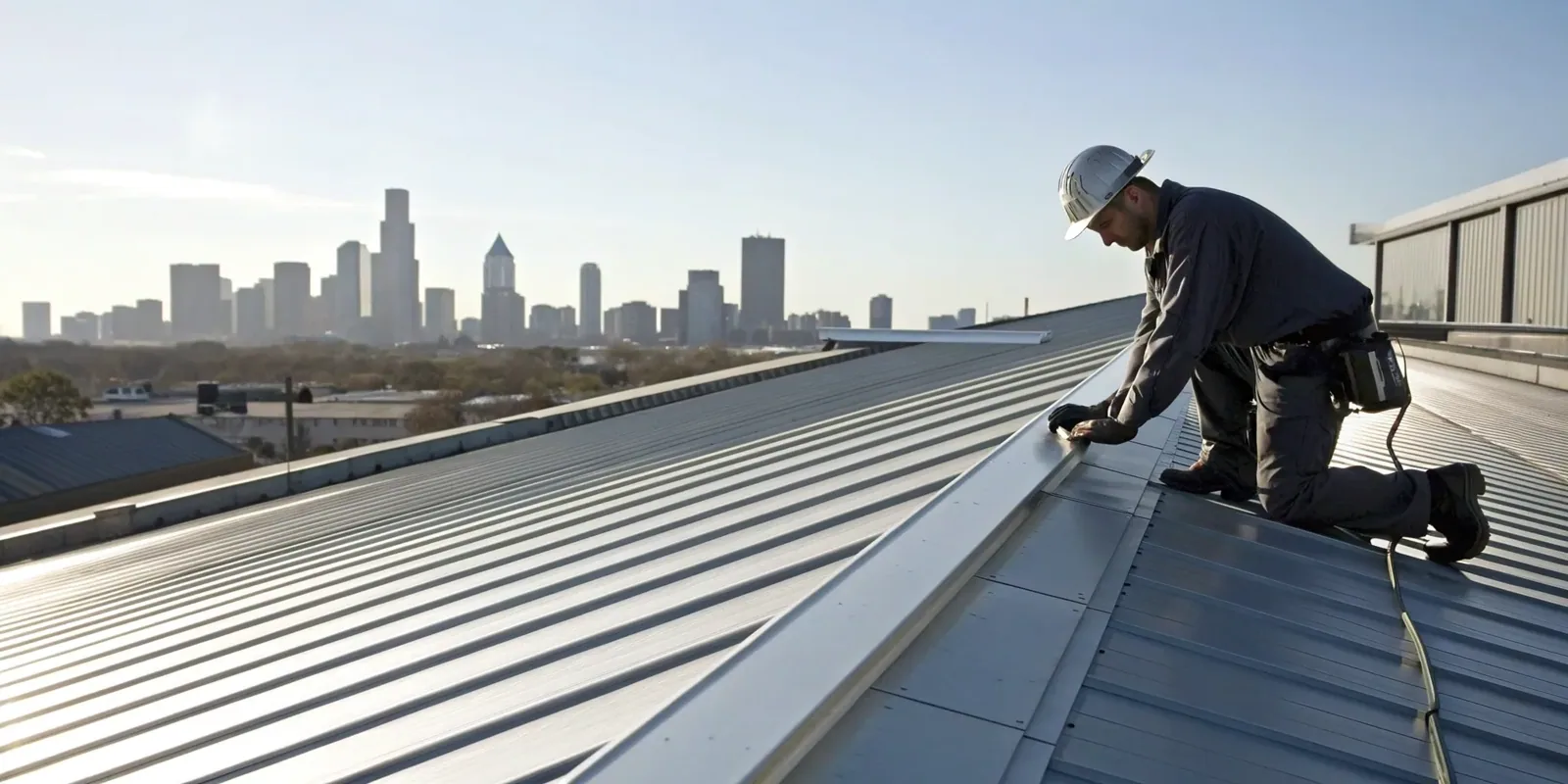
Organize roof warranty documents, service requirements, repairs and deadlines for commercial properties and facilities in Thornton, Colorado.
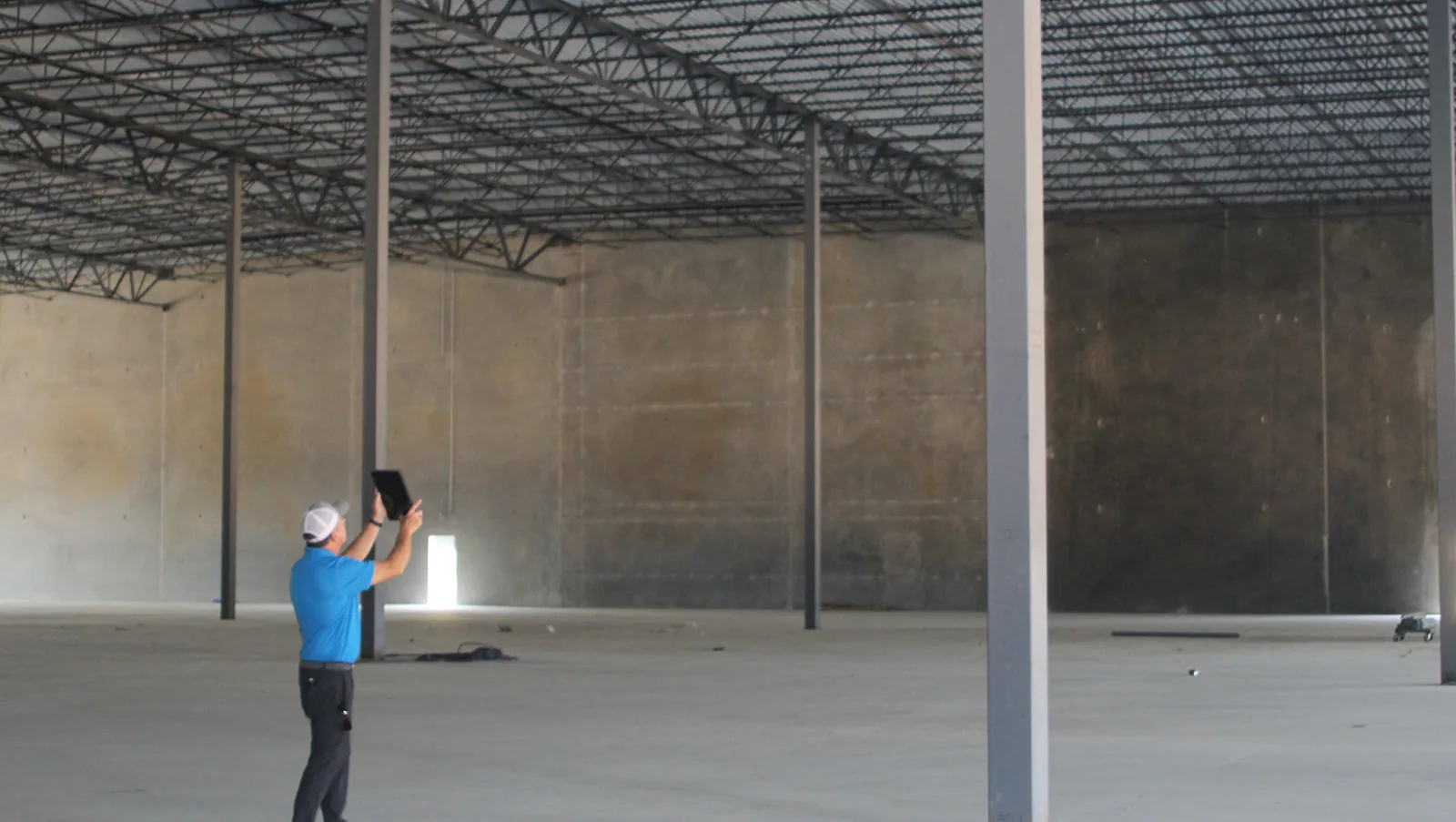
Assess roof condition, near-term repairs and open questions for commercial acquisitions or refinancing in Thornton, Colorado, with timing assumptions.
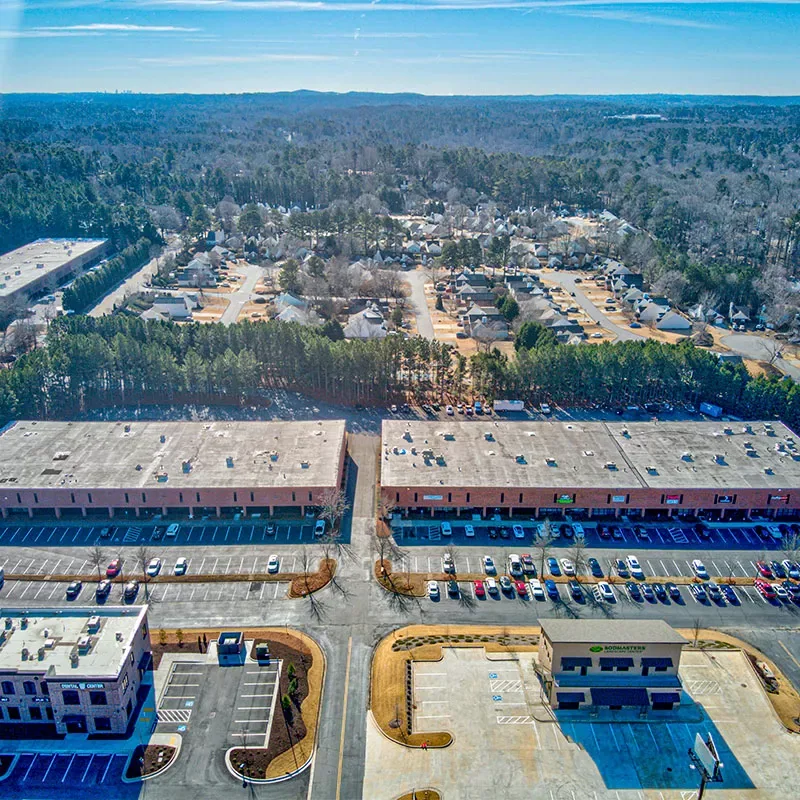
Coordinate inspections, leak response, repair records and capital priorities across commercial buildings in Thornton and nearby locations.
Roof inventory: establish what is known
We collect available roof plans, repair tickets, prior inspection reports and equipment changes before the field visit. The inspection checks membrane or metal, seams, perimeter, penetrations, drains, visible insulation indicators and access. We identify areas not reached and tests that could change the recommendation. Roof asset management can retain those details across budget cycles. Thornton’s Business Park district supports office, clinic, industrial and warehouse uses, so the inventory records actual building use rather than assuming a uniform portfolio.
Condition report: tie photographs to roof zones
A useful report locates each observation, dates the photographs, describes repair boundaries and states the testing limit. We separate active leaks from older repairs and concealed areas. Condition reports can support owner review, contractor coordination and future inspections without converting an untested area into a confirmed defect. Near Creekside Innovation Park, employment and industrial uses call for site-specific access review, not assumptions about any tenant's roof assembly.
Capital plan: prioritize by evidence and timing
We group actions into immediate protection, targeted repair, additional testing and replacement planning. The comparison can account for recurring leaks, moisture extent, detail condition, access, code review and work windows. A capital plan should identify what is known, what remains concealed and which test would change the order. The May 30, 2024 hailstorm crossed Thornton and Northglenn; a documented event can trigger inspection scheduling, while current conditions determine each roof’s priority.
Multi-site program: standardize review, preserve differences
Portfolio coordination can combine route planning and reporting format while keeping building quantities and findings separate. We note shared owners, contacts, access rules, active issues and capital dates. Multi-site programs can help facilities teams compare work packages by condition and operating need. At 5280 Logistics Park, listed industrial activity offers a local example of the regional employment context; it does not establish roof details at a specific suite or building.
Warranty and due diligence: verify the record
We organize available warranty documents, repair dates, system information and inspection findings, then identify missing records for owner follow-up. No term or coverage is assumed from the roof type alone. For a transaction, a due-diligence survey can document accessible conditions, testing limits and near-term work needs. Thornton currently applies 2024 building and existing-building codes to covered permit applications, with updated energy provisions in effect since July 1, 2026. We confirm applicable requirements for the proposed scope.
Commercial Roofing Questions
What does a roof asset record contain?
The record can include building identity, roof-zone maps, photos, visible system details, repair history, access limits, test results and recommended actions. We label what is confirmed and what requires another inspection or test.
Can condition reports support annual budgeting?
They can identify urgent exposure, follow-up testing, repair candidates and likely renewal needs. We connect each item to the evidence and note schedule constraints so the owner can compare priorities with its capital calendar.
How do you keep multi-building reports comparable?
We use consistent observation fields and definitions, while retaining separate maps, quantities and access assumptions for each property. That lets teams compare condition without averaging different roof assemblies together.
What does a due-diligence roof survey establish?
It records accessible conditions, visible systems, reported repair history, test limits and near-term recommendations. It does not establish concealed conditions unless testing or selective opening confirms them.
Turn the roof inventory into a work sequence
Provide roof plans, inspection records, repair history, current leak reports and capital dates. We will map findings by building and identify the decisions that need action or more evidence.
Call 555-555-5555 or send the form and we will set up a visit.