
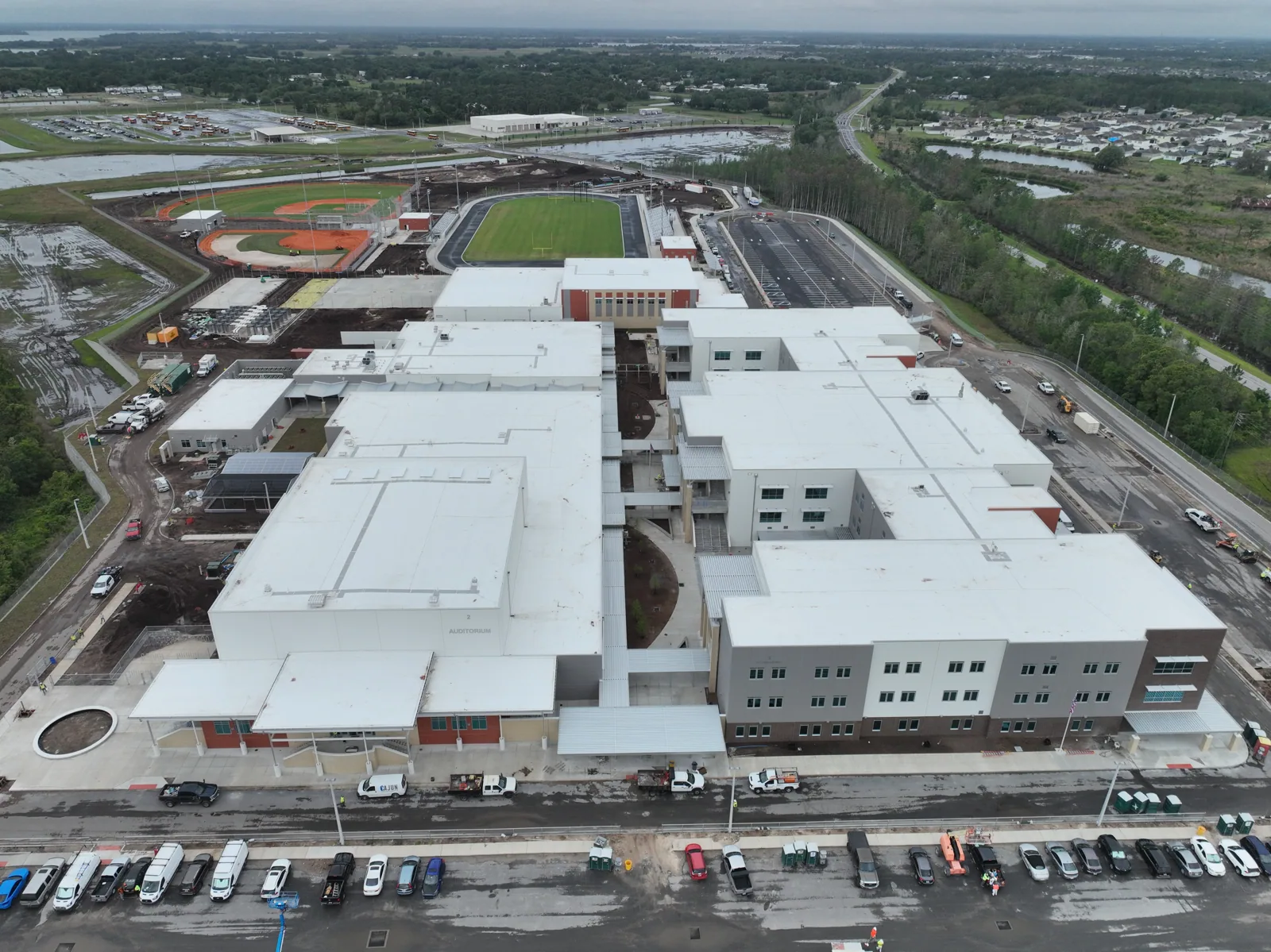
Commercial Roofing for School Districts in Thornton, CO
Coordinate roof condition reviews and campus projects around academic calendars, student safety, permit review, and capital deadlines in Thornton, Colorado.
A district roof project has to fit between access, student safety and a calendar that cannot slide without consequence. We review campuses by building, connect reports to roof zones and identify the decisions that need to precede summer work. The output gives facilities and finance staff an evidence-based order for repairs, testing and renewal across schools and support buildings.
Campus priority: rank by condition and consequence
We gather roof plans, leak records, prior repairs, access rules and planned capital dates, then compare those documents with visible conditions. Each finding stays tied to a school or support structure. A recurring leak above a classroom can warrant a near-term test; an older roof with intact drainage may fit a later budget cycle. We show what is confirmed, where access ended and what additional check could change the recommendation.
Thornton’s South Thornton planning area includes a healthcare district near North Suburban Medical Center, while Eastlake at 124th follows an existing main street and transit station pattern. Those areas show different patterns of institutional access and surrounding activity, not school roof inventory. South Thornton Healthcare District and Eastlake at 124th Station Area are local references for coordinating routes and site visits.
Summer window: work backward from student return
A reroof needs more than a crew start date. We map permit review, material submittals, delivery, testing and inspection milestones against the district’s return-to-school date. The plan identifies which roofs can be completed in parallel and where limited access requires a separate crew route. If an assembly needs testing before quantities are final, that step belongs before procurement and not on the last week of break.
High-noise removal, lift operations and deliveries can be scheduled apart from staff use, summer programs and building preparation. Each phase has a daily secure point and a handoff to facilities. If weather or concealed deck conditions change the sequence, the district receives the affected area and updated milestone before the next section opens.
Pupil safety: keep routes and work boundaries separate
Even when classes are not in session, staff, custodians, contractors and community programs may use a campus. We identify entrances, playgrounds, bus circulation, loading and any room that remains occupied. Material staging and roof access should not cross a route without an approved control. The job plan names who can release a space and when barriers or temporary restrictions can come down.
Thornton’s zoning includes distinct business-park, industrial, employment-center and regional-commercial areas. District operations may span several such contexts, so access should be checked campus by campus. A route near a commercial corridor may have different delivery conditions from a residential street. We confirm the actual work entrance, roof hatch and staging zone with district staff before dispatch.
Storm calendar: reserve time for inspection and recovery
The county places the Front Range tornado-season peak in the mid-May to mid-August window. That period can overlap spring closeout and summer mobilization. A district can use a severe-weather notice to bring an exposed roof forward for review, but a hazard record does not establish damage at a school. We inspect the actual surface, perimeter and openings before setting repair quantities.
The November 2024 Front Range storm dropped 18 to 36 inches of snow across parts of metro Denver, according to NWS. That is regional history, not a measurement at a Thornton campus. Current weather and safe roof access govern the work date. The sequence sets an exposure limit and a close-in procedure if conditions turn before the shift ends.
Scope alternatives: compare patch, phase and replacement
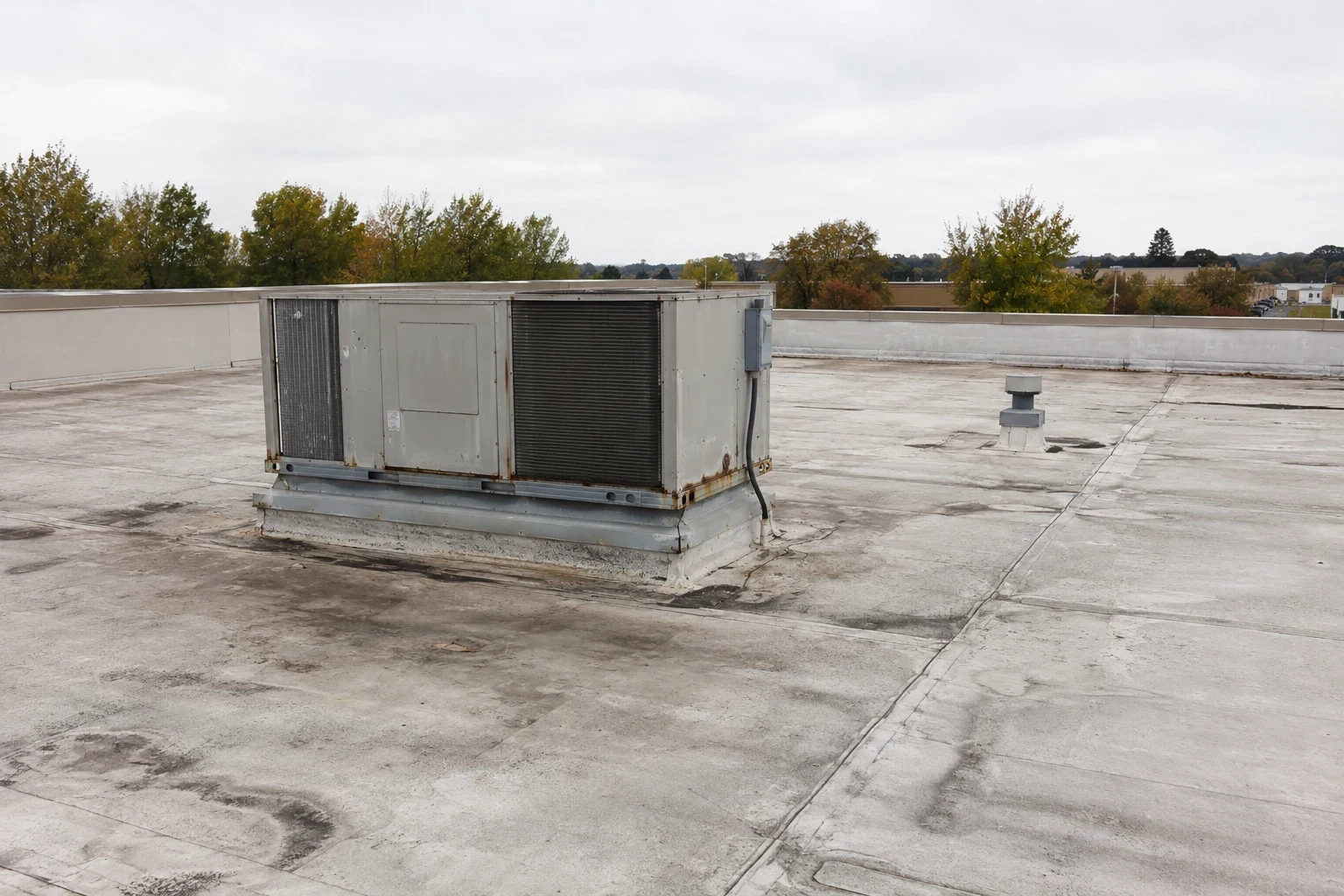
A localized seam, curb or edge repair may fit when nearby membrane and insulation remain sound. Repeat reports, wet materials, poor attachment or deteriorated transitions may warrant a broader investigation. We map findings by roof zone and distinguish observed conditions from areas needing a test. We compare an overlay only after reviewing roof layers, drainage routes, perimeter clearance and the applicable permit path.
Public-agency roofing plans can share bid and procurement requirements, while property managers may coordinate access across occupied buildings. A district adds student routes, summer work windows and board approval dates. We price each campus phase separately so the district can compare what can be funded now with work that should be scheduled next.
Bid package: state quantities and approval points
For district bid documents, we verify the permit criteria against Thornton’s current code set and filing date. The city’s revised energy requirements began July 1, 2026. We confirm their effect before finalizing insulation, attachment and submittal assumptions. A bid package should identify measured quantities, alternates, testing limits, interior protection and the process for approving concealed deck or insulation repairs.
A roof condition record can support campus budgeting, and capital planning can organize projects by decision date. The district should retain drawings, repair photos, material records and inspection notes after each phase. That file helps future staff connect a leak report to completed work rather than repeating an investigation from the beginning.
If an alternate depends on a test cut or a deck review, the package should show when that decision is due and who authorizes it. We can list a base scope and clearly bounded allowance so the district knows what is included before award and what requires a change approval.
District handoff: preserve the record by campus
Closeout identifies buildings and zones completed, materials, repaired details, photos, inspection limits and any remaining action. We note whether classrooms, entrances or routes were protected and confirm the area is released. Temporary repairs remain visible in the file until permanent work is complete. Separate campus labels help maintenance staff use the condition record during the next budget review.
Send campus lists, roof drawings, leak tickets, summer dates, access requirements and budget milestones. We will return a district-level sequence that keeps each building’s evidence and constraints clear. Occupied-building phasing can also support work in facilities that remain in use during a broader campus program.
Commercial Roofing Questions
How should a district decide which roof goes first?
Compare active water entry, moisture, attachment, access, repair history and the consequence of an interruption by campus. We document what is confirmed and what test would change the order.
What needs to happen before summer reroofing begins?
Drawings, permit review, material selection, testing, access approval and bid quantities should be aligned with the return date. We identify dependencies and close-in milestones before materials are ordered.
Can work proceed while summer programs use a school?
The district identifies occupied rooms, routes, playgrounds and loading areas. We establish barriers, crew access and daily handoff around those uses, then state any temporary limits.
Does a tornado or snow event prove roof damage?
No. Regional hazard history can affect inspection timing, but the school’s roof must be checked directly. We record actual conditions and distinguish them from areas that need further testing.
What should the district retain after a roofing project?
Keep roof-zone photos, materials, inspection notes, repaired details, permits and test limits by building. The closeout record should also identify temporary work and the next review date.
Set campus roof work against the school calendar
Share campus lists, roof plans, summer dates, leak reports and access requirements. We will document priorities and return a phased sequence for facilities and finance.
Call 555-555-5555 or send the form and we will set up a visit.