
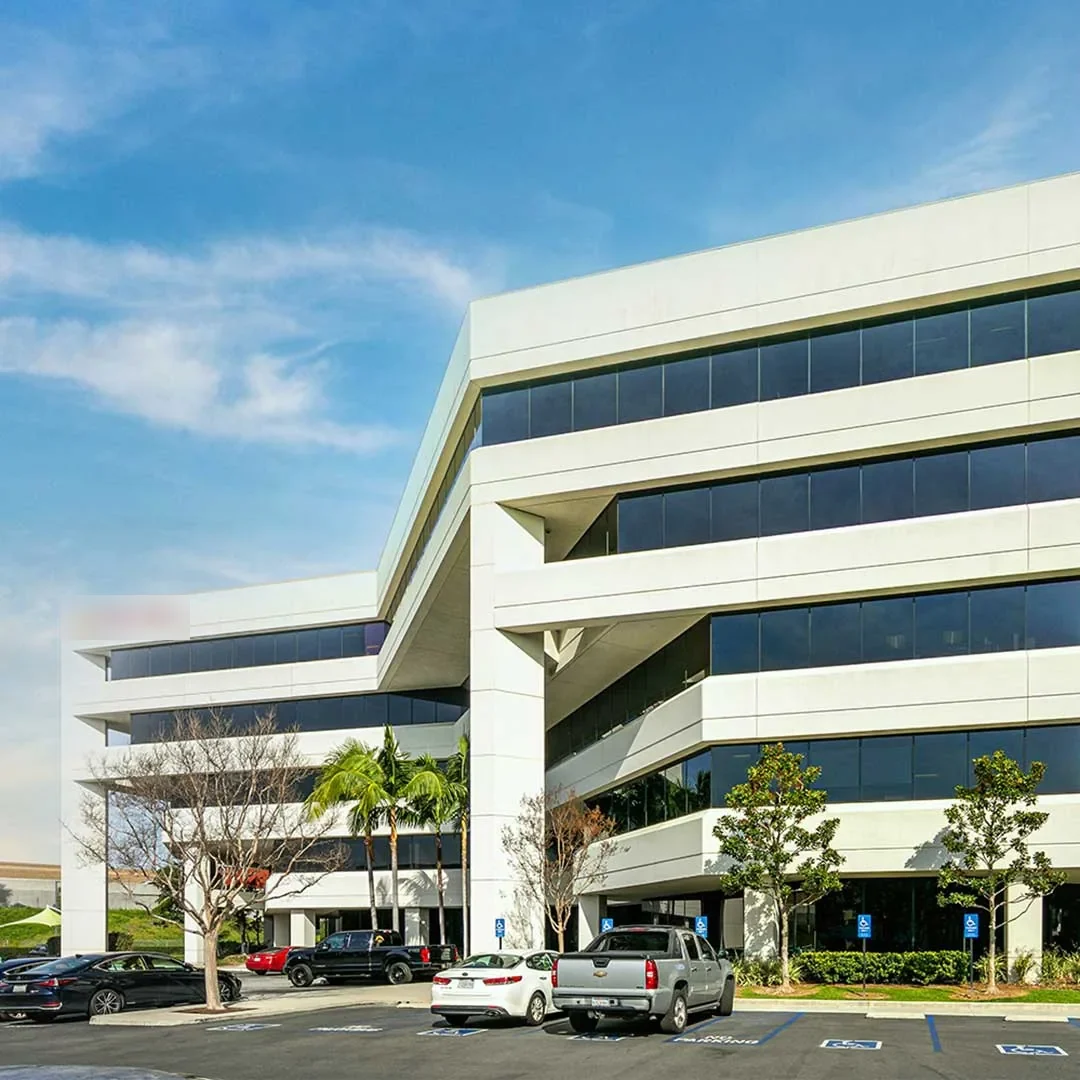
Commercial Roofing for Property Managers in Thornton, CO
Manage roof repairs across occupied commercial properties with building-level condition records and work sequences in Thornton, Colorado.
A roof report from one tenant can compete with a capital meeting for the same week. We help property managers sort active leaks, repeat repairs and upcoming renewal by building and roof zone. The work plan records who needs notice, where crews can stage and what must close each day. That gives the manager a verified scope to share with ownership and tenants.
Portfolio register: keep each building distinct
We start with the property list, roof drawings, maintenance tickets, prior repairs and known budget dates. A roof walk checks those records against visible seams, drains, curbs, edges and additions. Findings stay attached to the correct address and section. One building may need an urgent flashing repair; another may need testing before the next renewal cycle. A portfolio summary should rank those issues without blending them into an average condition.
Arista’s Broomfield program includes multifamily housing, office space and two hotels in a mixed-use district. Downtown Westminster combines planned retail, homes, public space and hotel openings as redevelopment advances. Those different property mixes create distinct operating and access conditions. Arista and Downtown Westminster are local examples of why a manager’s work sequence needs building-level detail.
Work-order triage: trace repeat calls to the roof
A ceiling stain may not sit below the failed roof detail. We compare the ticket location with drains, transitions, roof openings and earlier patches. Photos show the likely path, visible condition and where access ended. If moisture extends beyond one suite, we identify a test area and explain how the result could change the repair quantity. That lets the manager distinguish a repeat symptom from a repeat roof defect.
A hands-on inspection can establish a condition record for owners and maintenance staff. If the wet area is unclear, infrared mapping may help select points for confirmation. We note which findings were observed directly and which remain provisional so a work order can be closed with the right follow-up.
When several work orders point to the same roof, we group the site visit by access area and retain each tenant report as a separate record. That makes repeat patterns visible without merging unrelated rooms or buildings. The manager can then confirm whether one repair addresses the source or whether further testing belongs in the next authorization.
Tenant coordination: set access before mobilization
Tenant hours, deliveries, security rules, parked vehicles and interior protection can all affect a roof phase. We ask the manager to identify who approves notice, room access and temporary closures. The scope states crew entry, staging, noise windows and daily close-in. If several tenants share a roof, the work map marks which suites are affected and when each route returns to normal.
Thornton’s zoning map distinguishes five contexts across its business area: Eastlake, regional commercial, employment center, industrial and business park. That range highlights different property uses across the local portfolio, but the parcel and lease plan set the actual access rules. A manager near Eastlake at 124th Station Area may face a different delivery pattern from a north industrial building. We confirm routes and permitted staging at the property before ordering material.
Reserve planning: compare repair with renewal
A localized seam, curb or drain repair may be sufficient when adjacent membrane and insulation remain serviceable. Repeated leaks, wet board, failed attachment or edge deterioration may justify testing or replacement. We map each condition by roof area and identify what could change the recommendation. A recover is considered only after checking existing layers, drainage, attachment and perimeter height.
Managers balancing several buildings can use portfolio planning for owners and investors to organize decision dates. Healthcare system facilities may add service continuity and equipment restrictions. The operating conditions differ, but the manager still needs a useful record: confirmed work, open questions, access assumptions and the next action.
Ownership can review alternate scopes when they show the same zone, quantity and access assumptions. We identify where testing, tear-off or a tenant closure changes the figure. If roof sections are being replaced at different times, the record lists what remains active and what should be rechecked before the next phase. This supports a reserve plan that follows evidence rather than a single age estimate.
Weather window: decide what can safely open
Thornton and Northglenn were in the May 30, 2024 hail path, with one to two inch hail and roof damage reported by NWS. The event can help rank a building for review after a tenant reports a hit or leak. We base any repair recommendation on the inspected membrane and details, then identify whether testing is needed before quantities are set.
Denver snow averages provide regional winter context, not a reading from an individual building. We check the current forecast, surface and access before scheduling removal. Each phase has a stop point and secure close-in requirement. A condition report can keep seasonal findings and completed repairs with the property record.
Owner reporting: make the next approval easier
Closeout notes list materials, repaired details, photos, areas tested and limits on access. We identify temporary protection and the follow-up date. A manager can attach the record to the building file, answer a tenant question and compare the next proposal against documented work. If a contractor discovers hidden deck damage, the approval process is set before the open area expands.
Send the building roster, roof plans, open work orders, tenant hours, access rules and capital deadlines. We will return priorities by property and a sequence the manager can distribute. Occupied-building phasing can make protection and daily release steps explicit for an active tenant space.
For a property with several owners or reporting deadlines, we can label each recommendation by urgency and decision date. We state which repair reduces active exposure and which work can enter the next budget cycle. The manager receives the photos and site notes needed to explain that order at an ownership review.
Commercial Roofing Questions
How can a property manager compare roof needs across buildings?
Use a consistent record for each address: visible defects, moisture tests, access limits, repair history and next action. We keep confirmed work separate from items that need further testing, then help order projects by risk and capital date.
What should a manager send before a roof walk?
A building list, drawings, leak tickets, tenant contacts, access rules and current budget dates help set the inspection. We can then connect roof findings with the right work order and people.
Can tenants stay open during a repair?
Some projects can proceed in controlled zones. We set staging, noise windows, interior protection and daily close-in with the manager. If a room or route must close, the sequence states the expected period.
How should repeat leak reports be handled?
Compare the report location and date with prior roof work, then inspect the likely entry path. We document whether the source is confirmed and what test could change the repair scope.
What changes the replacement budget?
Roof area, number of buildings, system layers, equipment density, access, tear-off and tenant restrictions affect cost and duration. We identify quantities and approval steps for concealed conditions.
Turn roof tickets into a building-level plan
Share the property list, roof plans, tenant calendar, repair log and capital dates. We will document priority zones and return a sequence for owner review.
Call 555-555-5555 or send the form and we will set up a visit.