Commercial Built-Up Roofing in Thornton, CO
Inspect, repair or replace built-up roofing in Thornton. Review surfacing, plies, drainage and insulation before selecting a repair or tear-off scope.
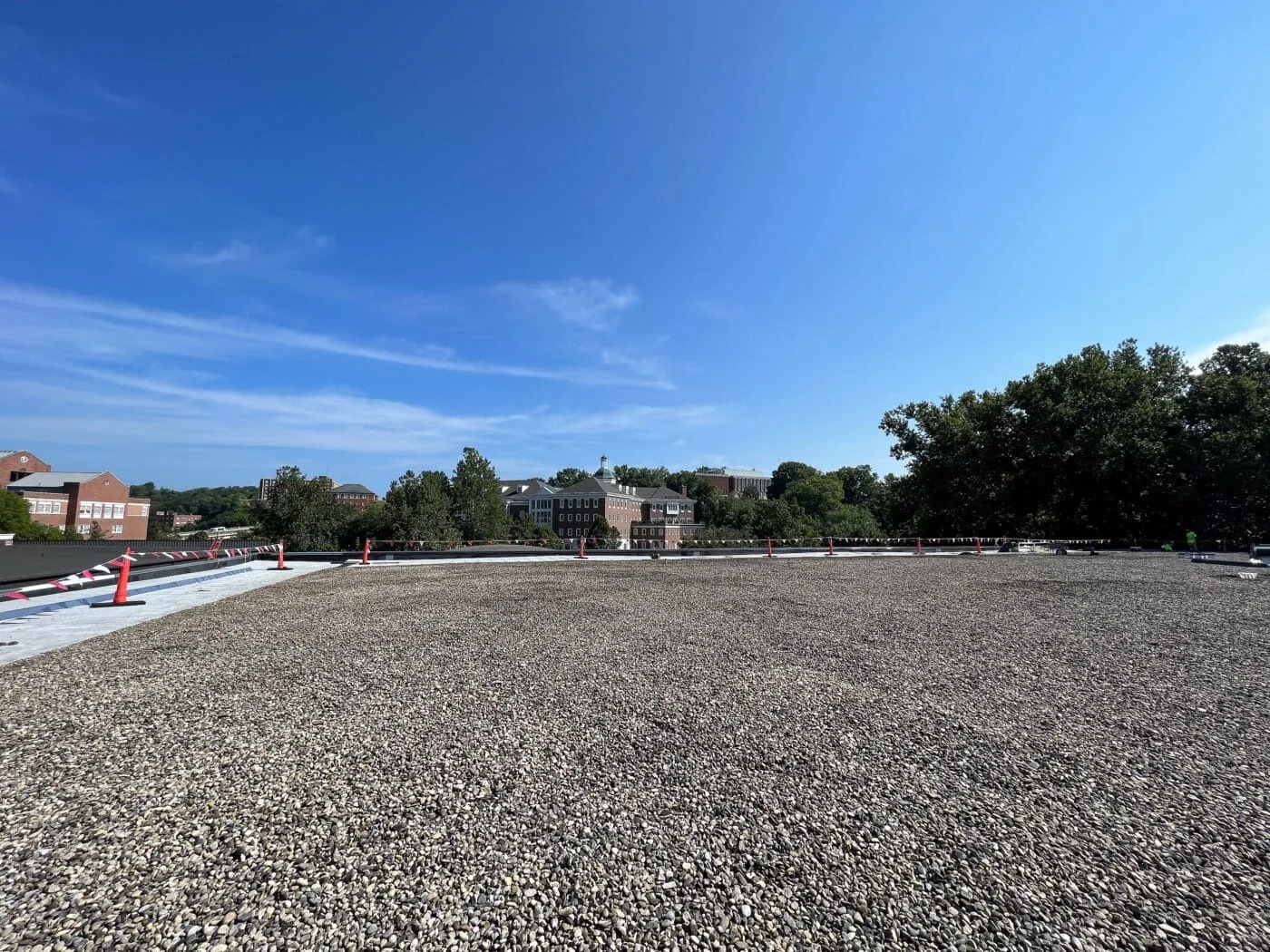
A gravel-covered roof can hide a split lap or soft area until water reaches the ceiling. We inspect the surfacing, flashings, drains and known leak zones before choosing a repair boundary. Built-up roofing has multiple asphalt and reinforcing plies, so the visible surface does not show the full assembly. We document what can be confirmed and identify where a test opening is needed to set the capital scope.
Ply condition: inspect through the surfacing
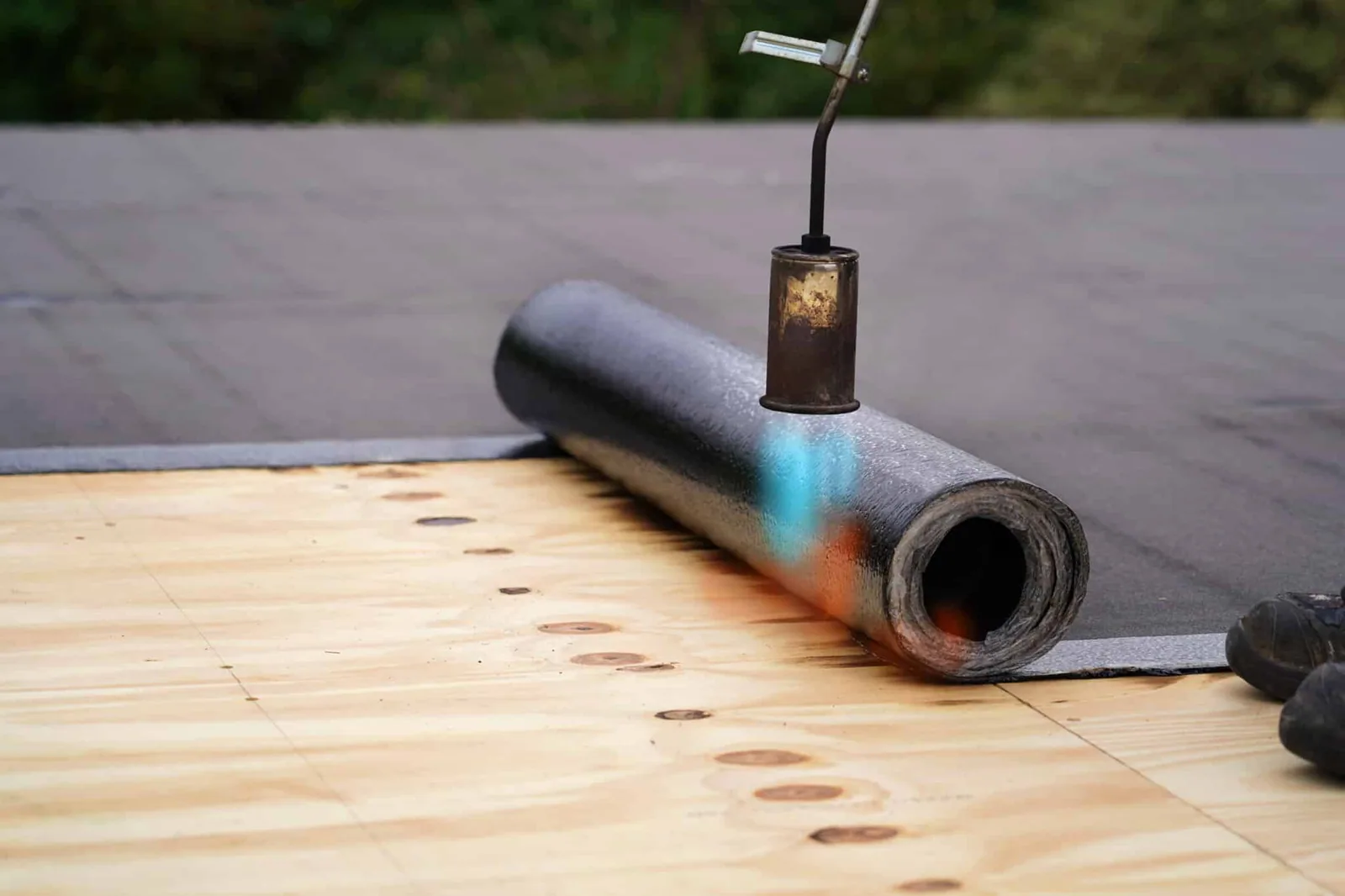
Built-up roofing, or BUR, uses layers of roofing felt and asphalt, often finished with aggregate or a coating. The number and condition of plies vary by installation. We look for exposed felt, displaced gravel, blisters, alligatoring, open flashing and areas where water holds. Surface distress can indicate wear, but it does not reveal the bond or moisture condition beneath. A test cut may be needed where the repair or replacement decision depends on hidden layers.
On a repair, we remove loose surfacing as needed, locate sound material and rebuild the affected area with compatible plies and flashing. Aggregate has to be managed so it does not contaminate drains or new materials. We record which layers were exposed and where the repair ends. A moisture survey can help identify areas for confirmation, and insulation review can show whether a wet condition extends below the BUR.
Flashing junctions: check walls and equipment bases
BUR leaks often appear where the field meets a wall, curb, skylight or drain. We inspect base flashing, counterflashing, metal terminations and the transition between plies. A loose metal edge or deteriorated cant can admit water even when the open roof field looks intact. Around equipment, access paths and vibration can stress details. We mark each junction and distinguish a repairable seam from a condition that needs a new curb or broader assembly work.
At North Washington Commerce Center, the first development phase includes a fulfillment building with docks and drive-in doors. Delivery access can matter for gravel handling and roof staging, but it does not indicate the roof’s assembly. We coordinate material routes with the actual facility. Where walls and coping meet the BUR, perimeter metal repairs can be planned alongside new flashing.
Drainage: keep aggregate out of the water path
Gravel can migrate toward a drain, while a clogged strainer or low area slows runoff. We inspect primary and overflow paths, scuppers, strainers and the slope around each outlet. If cleaning restores flow, we document that result. Persistent ponding may require a cricket, tapered insulation or deck review. A new surface alone will not correct an outlet that sits above a low zone or a drain connection that has failed.
Thornton’s commercial and industrial areas include larger properties near I-25 and E-470, where access and work staging vary by site. We inspect the individual roof and plan drain protection before removing aggregate or loose material. Drain and scupper service can be combined with a BUR repair, while ponding correction addresses geometry that keeps water on the roof.
Renewal choice: compare repair, recover and tear-off
A BUR roof with isolated damage and dry, bonded plies may support a localized repair. Widespread wet insulation, repeated failures, loose aggregate or weak attachment can point toward tear-off. We inspect representative areas and note where a sample cannot be generalized. A recover may be possible only if the existing assembly, moisture, drainage, code and attachment allow it. The scope states which layers remain and what test or opening could change the recommendation.
Modified bitumen is another multi-ply option, but its sheet products, seams and surfacing differ from a built-up assembly. Modified-bitumen roofing can be compared where a replacement is planned. For some buildings, recover evaluation may preserve suitable layers. An EPDM assembly is another distinct option for comparison; the final choice depends on verified roof condition, not the surface appearance alone.
Seasonal work: manage hot asphalt and winter access
BUR work can involve asphalt heating, aggregate handling and specific fire controls. We follow the project requirements and site safety procedures, coordinate fire watch where required and separate hot work from occupied or sensitive areas. The schedule should account for deliveries, roof access and odor or exhaust concerns. If a project uses cold-applied materials, product instructions still set the preparation and weather limits.
Denver snowfall records provide regional context for winter planning, while a current Thornton forecast determines whether the surface is safe and dry enough for work. Ice can restrict access and moisture can prevent a sound tie-in. We set a daily work boundary and protect open areas before leaving. If an emergency leak occurs outside the normal schedule, our response crew can provide temporary protection at any hour, then complete permanent work in a suitable window.
Cost basis: price removal and access separately
Cost depends on the number of plies, aggregate removal, tear-off depth, insulation, deck repairs, parapet details, drains and roof access. Existing layers may be concealed until an opening is made. We define allowances and approval steps for added quantities rather than bury those risks in a broad price. If several roof additions use different systems, each section receives its own scope and condition record.
At 25 Commerce Park, building uses range from warehouse and distribution to showroom and manufacturing. That can influence staging, delivery hours and facility coordination, while the roof inspection determines the BUR condition. At completion, photos document exposed plies, repairs and tie-ins. A roof condition report can carry those details into the next maintenance or budget review. Send the roof plan, leak log, access calendar and capital date for a verified comparison.
Commercial Roofing Questions
Can a gravel-covered BUR roof be inspected without removing the surfacing?
We can review visible flashings, drainage and surface conditions, but aggregate can conceal defects. We identify the areas that need a test cut or selective removal to confirm plies and moisture. The report distinguishes visual observations from conditions verified through an opening.
How do you repair a leak in built-up roofing?
We trace the water path, inspect the field and nearby transitions, then remove loose material to reach a sound repair boundary. Compatible plies and flashing restore the affected area. If insulation is wet or the deck is damaged, the work may extend beyond the visible leak point.
Does displaced gravel mean the roof is failing?
Not by itself. We check whether the felt is exposed, whether the asphalt is cracked and how broad the displacement is. We also inspect drains and flashings. A localized surface issue differs from widespread moisture or open plies beneath the aggregate.
Can BUR be covered with a new membrane?
A recover requires dry, secure layers, acceptable drainage and a compatible assembly. We verify those conditions and check applicable code and attachment requirements. The proposal names which sections qualify and where removal is needed.
What can delay built-up roof work?
Aggregate handling, hot-work controls, deliveries, occupied operations, wet surfaces, snow and access restrictions all affect timing. We identify the daily close-in limit and required site procedures before mobilizing. Weather or concealed conditions can change the sequence after work begins.
Verify BUR layers before setting a replacement scope
Send the roof plan, leak record, repair history, access rules and budget date. We will inspect surfacing and details, then define where repair, recover or tear-off makes sense.
Call 555-555-5555 or send the form and we will set up a visit.