
Commercial Roof Flashing Failure Repair in Thornton, CO
Find failed roof flashing at walls, curbs and penetrations, then scope a durable repair for commercial facilities in Thornton, Colorado.
A split counterflashing joint can send water behind a wall before anyone sees a ceiling mark. We examine the transition, adjoining membrane and substrate, then record what is open, displaced or concealed. The repair plan names the detail, work boundary and any test needed before replacement material is installed. The finding stays tied to the roof zone, so a local failure does not become an unsupported roof-wide scope.
Detail map: locate the break in the transition
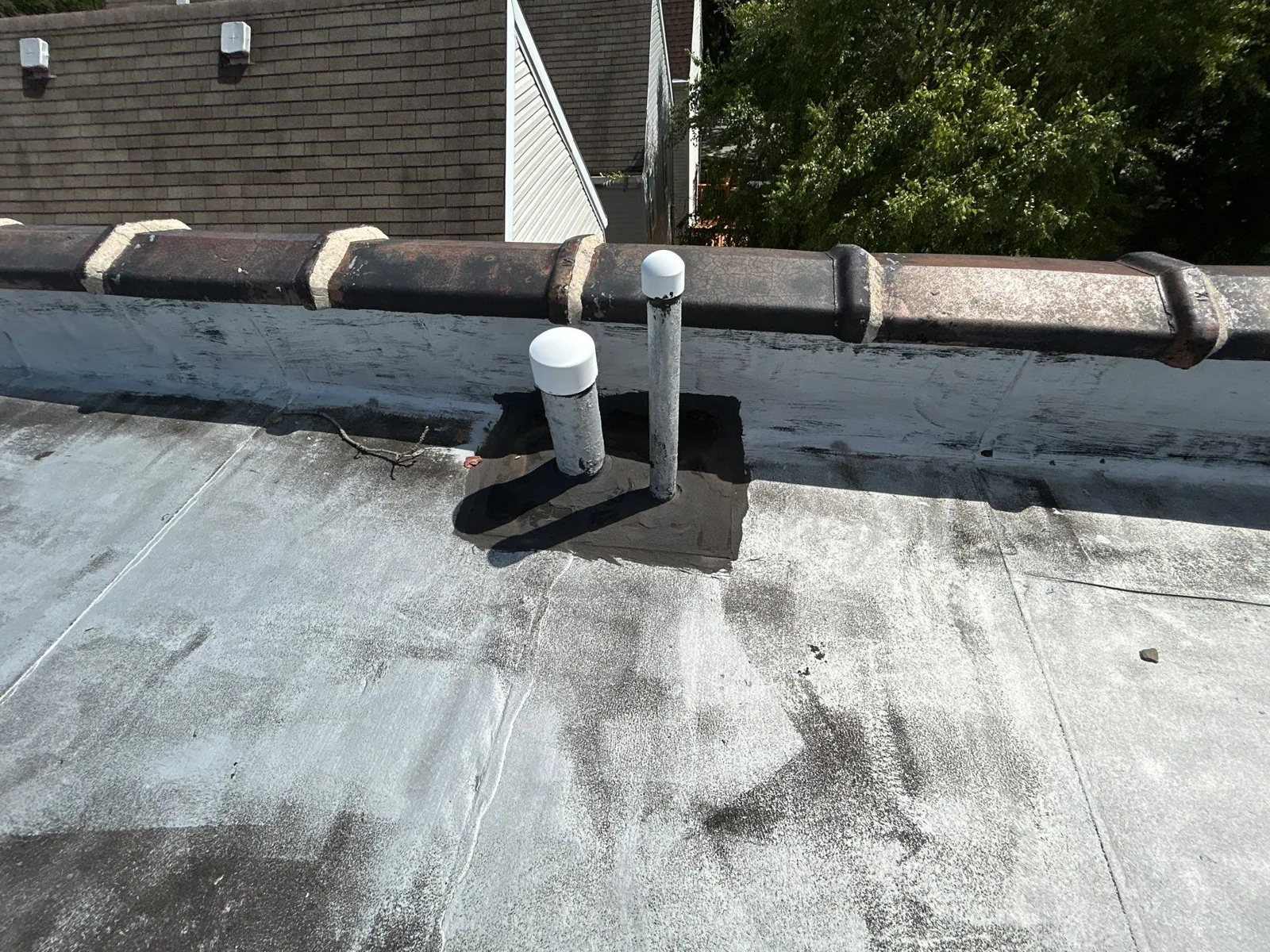
Flashing moves water across a change in plane. At a parapet, curb, drain, expansion joint or pipe, failure may involve the membrane, metal, sealant, termination bar or substrate below. We record the full assembly around the defect, not only the visible split. Loose metal can result from attachment or movement; a lifted membrane edge may need a different repair from a failed sealant bead.
Thornton’s employment sites run along the I-25 corridor, with E-470 serving eastern business districts. At 25 Commerce Park, the published access routes include Grant Street and 144th Avenue, as well as East 152nd Parkway from E-470. Those routes help the facility plan a safe material delivery, but do not tell us the roof detail at that address. We confirm the building’s roof hatch, lift placement and working hours before opening a flashing assembly. 25 Commerce Park is a local access point for coordination.
Water path: match the interior report to the roof
A stain near an exterior wall may start at a coping seam, window head, parapet transition or rooftop penetration. Water can travel behind a finish before appearing inside. We document the room, wall line, weather and timing, then compare that information with the roof plan and exterior detail. If the entry path is uncertain, we recommend a controlled test or opening and state how it will be restored.
The inspection distinguishes active separation from aged sealant, surface staining and prior patching. We note whether the flashing can be lifted for review or whether adjacent materials conceal the termination. A drainage finding may affect a nearby detail, while an open membrane seam requires a separate condition record. That separation helps the owner approve only work tied to evidence.
Weather exposure: examine the edge after seasonal stress
Denver climate normals list average snowfall of 6.5 inches in January and 7.8 inches in February, with larger winter extremes in the historical record. Those figures describe Denver, not a specific Thornton roof. Ice, freeze-thaw exposure and restricted access can affect when a detail can be inspected or repaired. We confirm actual site conditions and avoid covering a wet or unstable transition.
Thornton’s Eastlake at 124th station area follows an existing main-street and small-lot pattern near the North Metro N Line. A nearby commercial site may have limited staging or pedestrian routes, so the access plan should identify where metal and tools can move without blocking operations. The station-area plan does not specify roof assemblies. Eastlake at 124th Station Area provides local context for coordinating access.
Repair choice: replace the failed layer, preserve sound material
A localized repair may be suitable when the wall, curb or penetration substrate remains secure and adjacent membrane can accept a compatible tie-in. If metal is loose, the attachment must be corrected before the membrane is closed. Deteriorated wood nailers, wet insulation or movement at the joint can expand the repair boundary. We identify which materials are confirmed and where a test is needed before setting final quantities.
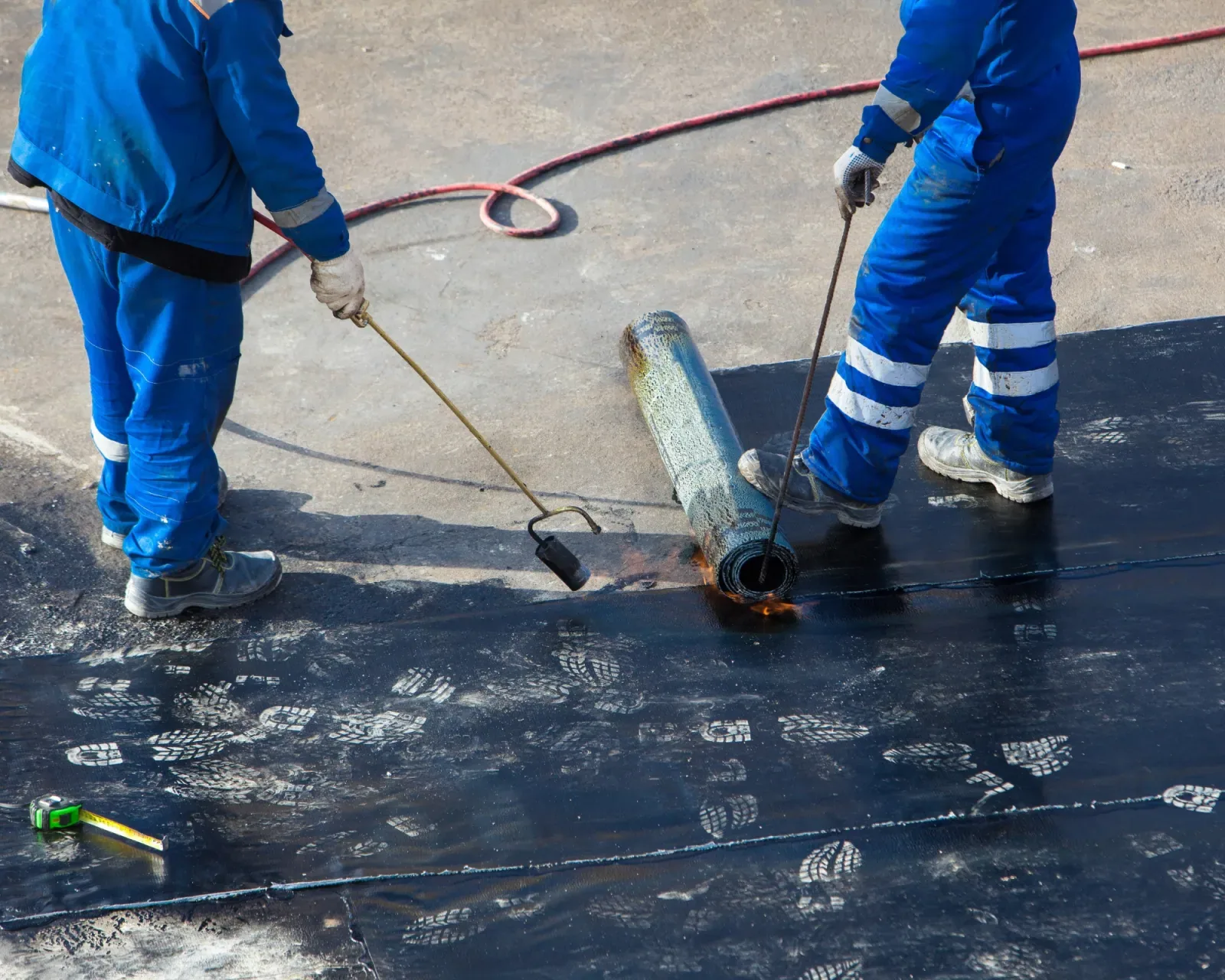
The scope lists removal, substrate preparation, replacement flashing, terminations, sealant where appropriate, temporary weather protection and inspection before concealment. A surface bead may slow water briefly, but it does not restore a loose or poorly terminated assembly. Penetration flashing work can address specific rooftop details, while roof repair can include adjacent membrane only where the inspection supports it. If failures recur across multiple elevations, compare the repair plan with a larger renewal. Labor access, height, metal fabrication, temporary cover and the amount of adjacent membrane removed affect the schedule and cost. The estimate should show each driver separately, along with any allowance for concealed substrate damage. That lets the owner compare a one-detail repair with a repeated condition across the portfolio.
Schedule control: coordinate access and dry-in
Flashing work depends on dry substrates, safe access and enough time to restore the detail before weather exposure. We set a daily work boundary and identify when the opening will be protected or closed. If the building remains in service, the facility contact coordinates interior protection and any temporary room restriction. A concealed condition changes the scope only after it is photographed and reviewed.
Before a permitted assembly change, confirm Thornton’s current building and energy requirements for the proposed work. We identify where the project’s design documents or permit review govern the material choice. A roof inspection can document the adjacent field and access limits; TPO roof details may be relevant when the existing assembly uses that membrane. We verify the actual system at the property.
Record: keep the transition visible after repair
Closeout shows the original failure, removed material, repaired termination and adjacent roof area in dated photographs. We note the materials used, the test boundary and whether any substrate remained inaccessible. The next inspection can compare the same joint rather than relying on a general note that flashing was repaired. Include the adjoining wall or curb and a scale reference in close photographs. Label each image with its elevation and roof zone for maintenance staff. If water appears again, the owner can review whether the location and path match the earlier report.
Send the interior location, roof drawings, prior patches, access requirements and any active leak. We will identify the transition, state the inspection limits and return repair choices with a close-in sequence. A clear record keeps the repair tied to a specific detail and decision.
Commercial Roofing Questions
Can a bead of sealant repair failed flashing?
It may be part of a detail, but sealant alone does not correct loose metal, a failed termination or damaged substrate. We inspect the assembly and define which layer needs repair.
Why is a ceiling stain away from the roof edge?
Water can travel behind walls or insulation before appearing inside. We compare the reported room and wall line with roof transitions and use testing when the path remains uncertain.
What information changes the flashing repair scope?
Substrate condition, attachment, adjacent membrane, moisture, access and whether the detail can be opened safely can change quantities. We record those assumptions before work begins.
Can the building stay occupied during flashing repair?
The work can often be isolated by roof zone, but interior protection, hatch access and temporary room restrictions need coordination with the facility lead.
How do we know the repair addressed the source?
The closeout records the original detail, repaired layers and any test performed. If the source was not confirmed, the report names the remaining limit and the next check.
Identify the flashing detail before setting the scope
Share roof plans, photos of the interior report, prior repair notes and access rules. We will locate the transition, document the failure and define the repair boundary.
Call 555-555-5555 or send the form and we will set up a visit.