
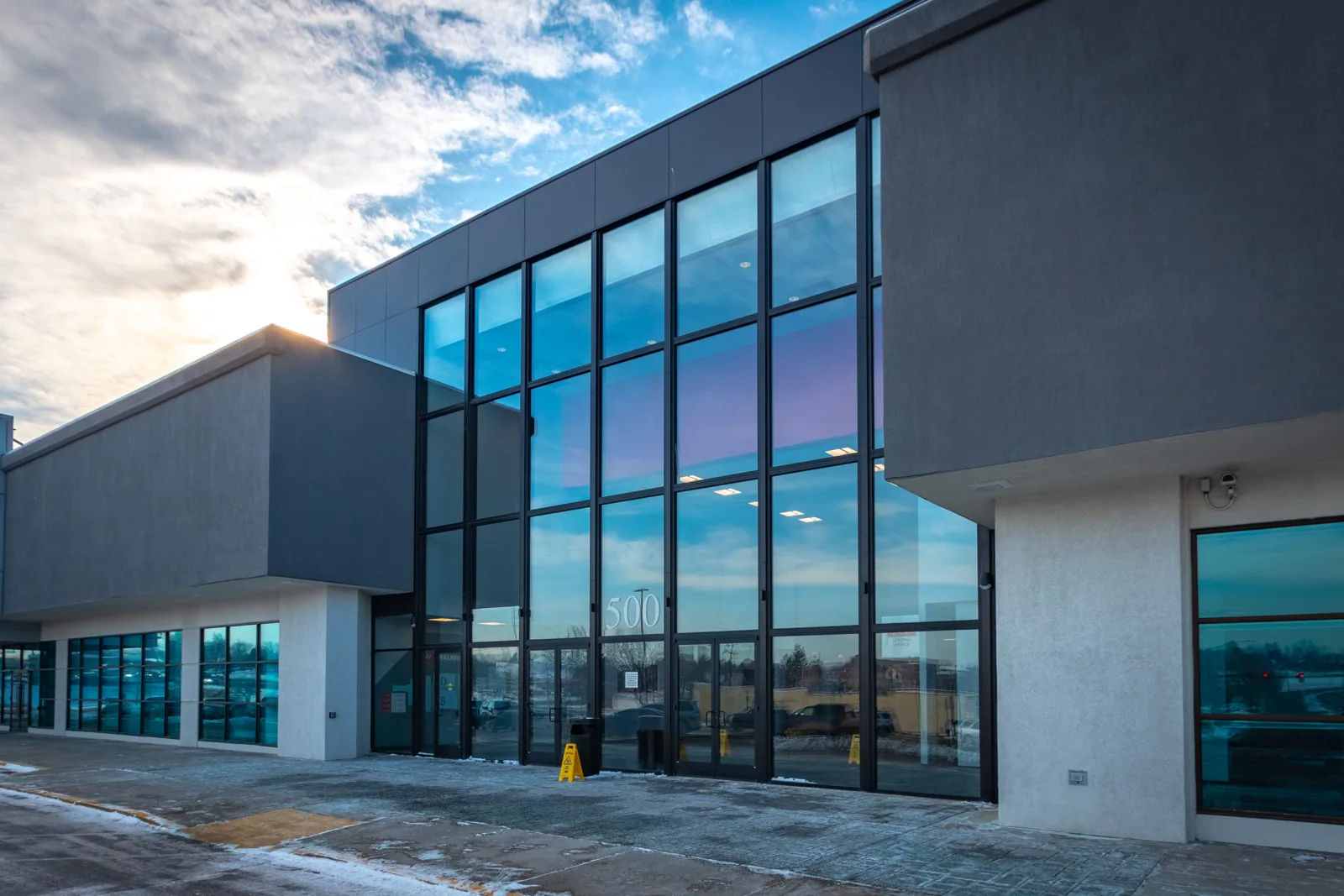
Commercial Roofing at North Valley Tech Center, Thornton, CO
Assess roof condition, repair scope and access needs at North Valley Tech Center in Thornton, CO, with findings tied to the actual building and zone.
City planning gives North Valley Tech Center a major economic role in South Thornton. The City depicts the center from Washington Street north of 88th Avenue, within a southern planning area that generally lies below Thornton Parkway. Those facts set a location and employment context, not roof type or condition. We inspect each building before defining repair limits, assembly assumptions or a capital schedule. The work record names the structure, roof zone, access boundary and evidence supporting each recommendation.
For a business park, the first practical question is how roof work fits the facility calendar. We confirm who grants access, which areas remain in operation and whether deliveries or equipment work compete with inspection. Then we compare the roof evidence with the next funding date and identify any test that could change the work order.
Site access: locate the inspection route
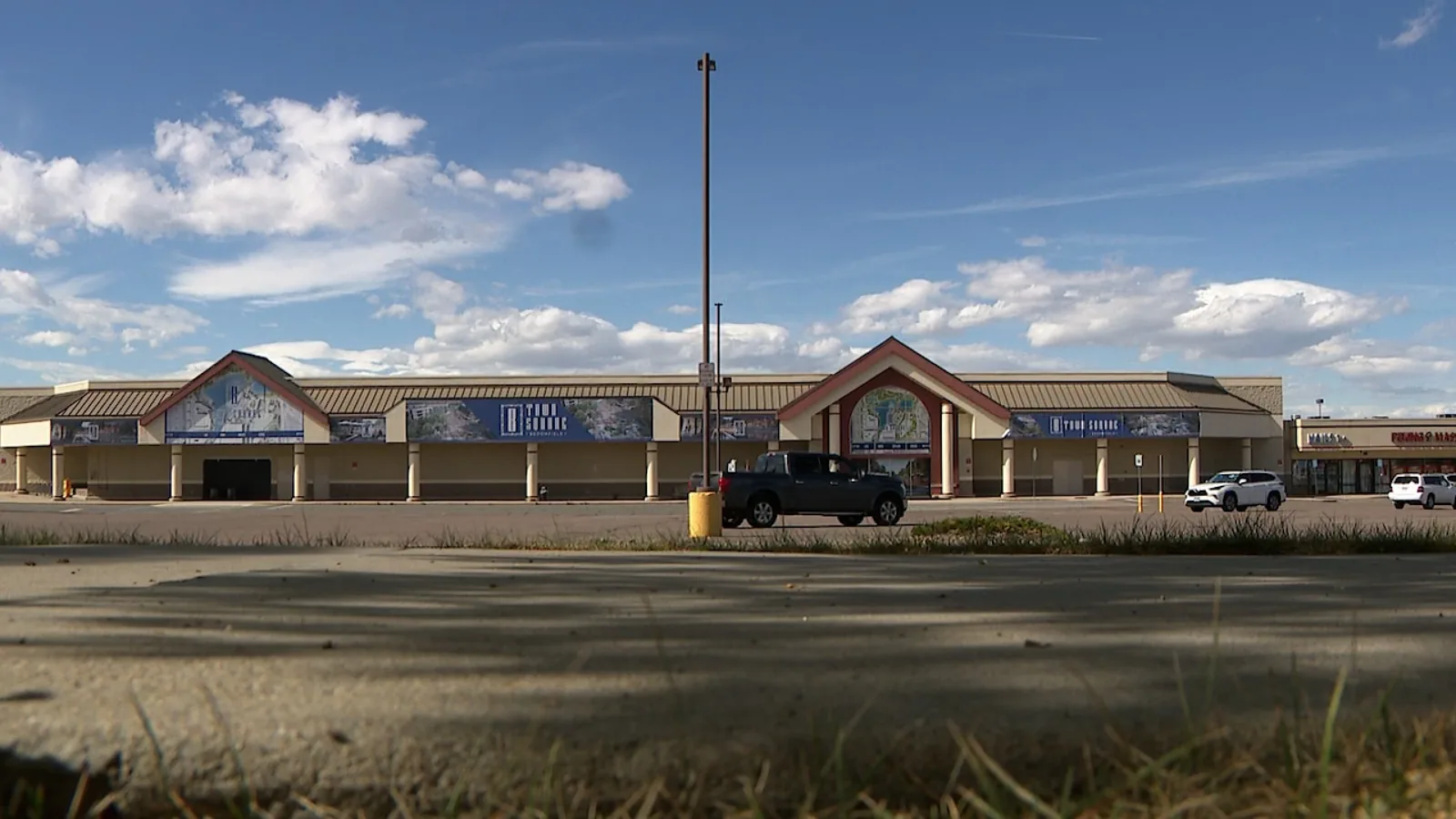
Washington Street and 88th Avenue give a planning reference for locating the center, but a project route still depends on the building address and property instructions. We confirm entry point, roof hatch, escort needs, parking, lift placement and any restricted area with the site contact. If several structures share an owner, we prepare separate access notes. A map pin does not establish where a crew may stage or which building can be entered.
South Thornton includes a planned healthcare district east of I-25 near North Suburban Medical Center, and the city identifies HCA HealthONE Mountain Ridge among its major local employers. Those contexts show why nearby facilities can have different operating needs. The healthcare district and 25 Commerce Park are separate local references; the roof survey at North Valley remains specific to its property.
Before the walk, we review available plans, leak calls, repair tickets and equipment work. The Diligence Notes identify what we could see and what remains uncertain. An interior stain is traced against the details above it rather than used as a proxy for a roof-wide condition. A commercial inspection can establish a dated baseline for the owner.
Roof evidence: find the condition that changes the scope
The inspection follows membrane or surfacing where confirmed, seams, wall transitions, curbs, penetrations, drains, scuppers and perimeter metal. We photograph prior patches and any visible movement, standing water or surface change. If moisture below the assembly could alter a repair or recover decision, we identify the test method and sample area before an opening is made. The result stays tied to the area sampled, with its restoration documented.
The NWS May 2024 summary records a hail passage across the Thornton-Northglenn area and notes roof impacts. That regional event can set an inspection priority after a reported exposure; it does not establish impact at North Valley Tech Center. We record current surface evidence, leak reports and inaccessible sections before recommending work. A hail-condition review can preserve those findings for facilities staff.
The recommendation separates immediate water control from permanent repair. An isolated opening may be repairable if adjacent material and substrate remain suitable. Repeated leaks, wet insulation or broader attachment concerns can justify further testing. We state which finding changes the boundary, so a local correction is not confused with full replacement.
Budget decision: make the replacement threshold clear
Price and duration change with tear-off depth, insulation, cover board, deck repair, metal details, penetration count, lift access and protection below. The scope distinguishes verified quantities from concealed-condition assumptions. Where a test could prevent an unnecessary removal or reveal a broader repair need, we list it as a decision step. The owner can compare immediate repair with a planned capital project using consistent roof-zone boundaries.
Thornton applies 2024 building and existing-building code editions to covered permit work. Updated energy provisions became effective July 1, 2026. We verify which requirements apply to the project’s scope and permit date before finalizing insulation or assembly assumptions. Insulation and cover-board work can be identified separately when the existing layers have not yet been confirmed.
A replacement estimate should name the removal depth, substrate assumptions, metal work, access plan and close-in points. Replacement planning can carry those details into procurement. Capital planning can line up verified work and unresolved tests with the owner’s budget review without converting a preliminary observation into a final quantity.
Weather window: coordinate the inspection and work date
Regional winter conditions matter to the schedule, but a Denver climate average is not a North Valley roof reading. We use the season to set a planning window, then confirm forecast, surface condition and material requirements on the actual work date. The daily sequence identifies how much roof can be opened, how it will be protected and when the area must be secured.
Adams County’s hazard planning marks tornado risk during the Front Range period from mid-May to mid-August. That calendar informs alert planning. It does not predict a project-day event. We confirm the site’s warning contact, lift-pause authority, shelter route and the person who can resume work after a hold.
If a building stays active, we coordinate deliveries, tenant notices, noise periods and access below the roof. Work can be divided into zones when each phase can be inspected and closed securely within the shift. Closeout notes what has been completed, what protection remains and which section is next. Thornton Urban Center provides another local operating context, while the access plan remains unique to the property being inspected.
Record handoff: keep roof decisions traceable
Closeout lists the building, roof areas reviewed, photos, test limits, repair materials, inspection notes and open actions. If a manufacturer inspection or project document applies, we verify the requirement against the installed assembly. We do not assume a warranty decision or term. Facilities staff receive a condition record they can compare with a later leak report or budget request.
If future work includes new equipment, added penetrations or changed drainage, the updated detail should be attached to the same roof-zone map. Curb and support coordination can be scoped before equipment work changes the roof. For a larger portfolio, a clear record lets the manager retain building-specific quantities and access rules even when funding is reviewed together.
Send the property address, roof plan, service history, leak locations, operating hours and capital date. We will identify the next decision by zone, note what has been verified and state what evidence could change the recommended scope.
Commercial Roofing Questions
Does North Valley Tech Center’s economic role tell us what its roofs need?
No. The city identifies the center as an economic generator, but that does not describe roof construction or condition. We inspect the specific building and document the system, details, access and any test limits.
What should be available before a first roof walk?
Share the address, roof drawings, leak tickets, prior repairs, access contact and any equipment changes. We compare those records with field conditions and identify areas that need confirmation.
Can one inspection cover multiple buildings in the center?
The route can be coordinated, but findings remain separated by building and roof zone. We identify which sections were reached, which were inaccessible and whether any additional visit or test is needed.
How do you decide whether a repair can wait for capital work?
We look at active water entry, the size and cause of the defect, nearby material condition and potential interior impact. The report identifies immediate protection, a defined repair, testing or a renewal decision, with the reason attached.
What drives the schedule for replacement work?
Access, removal depth, substrate repairs, equipment coordination, weather, material staging and permit review shape the sequence. We set work-zone limits and close-in points against the facility calendar.
Put the North Valley roof on a clear decision path
Share the building address, roof records, leak history, access calendar and capital date. We will inspect defined zones and return a verified scope with open questions listed.
Call 555-555-5555 or send the form and we will set up a visit.