
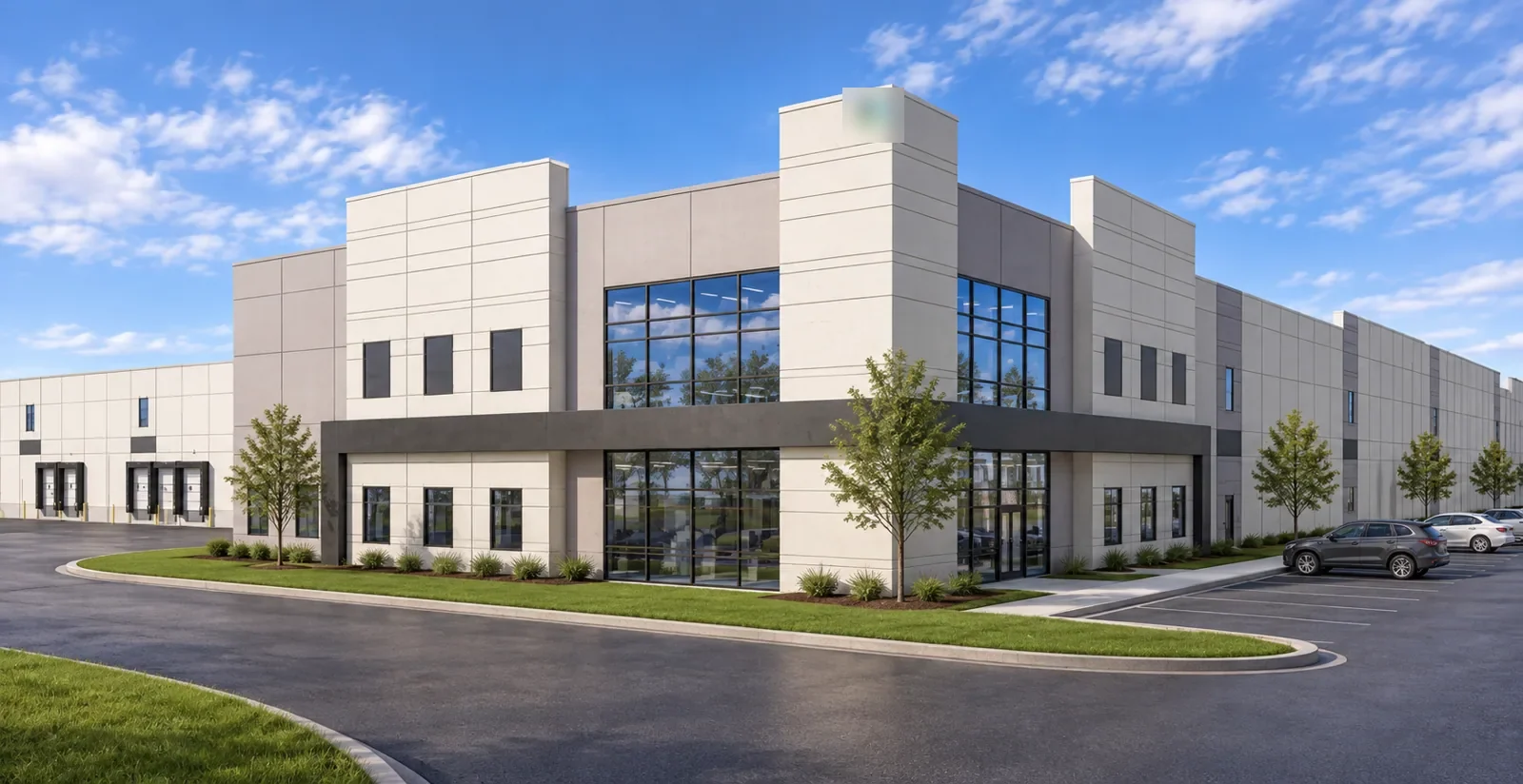
Commercial Roofing for Real Estate Investors in Thornton, CO
Evaluate commercial roof condition, reserve exposure, and acquisition timing across industrial, retail, and multifamily properties in Thornton, Colorado.
An acquisition date can arrive before every roof condition is resolved. We inspect the asset, separate observed defects from open questions and show what could change the reserve. For investors and REIT teams, a useful roofing review ties each finding to a building, expected decision date and operating consequence. It gives the deal team a basis for comparing repair, renewal and deferred work.
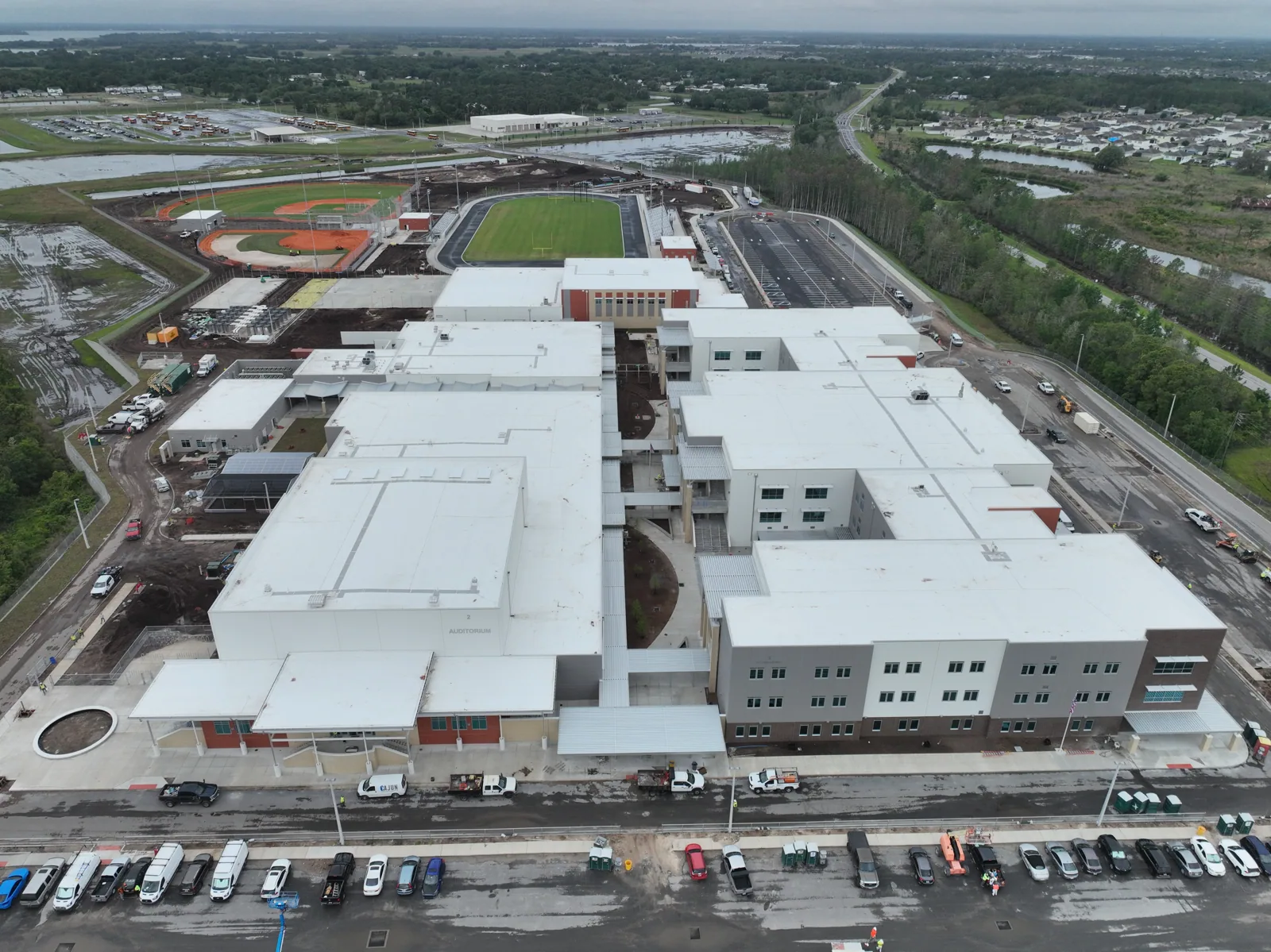
Acquisition review: distinguish evidence from assumptions
We review available roof plans, repair records, leak history, warranties and prior condition reports, then confirm visible conditions on site. Photos identify seams, drainage, curbs, edges and additions. We state which areas were accessible and where further testing may affect the scope. A property’s rentable area or development plan does not tell us its roof assembly, so quantities remain subject to roof-level verification.
Downtown Westminster’s redevelopment plan includes retail, housing, public space and hotel openings as the district builds out. Arista’s Broomfield program includes thousands of multifamily units, office space and two hotels. Those local development contexts illustrate varied asset mixes, not roof conditions. Downtown Westminster and Arista are useful local references when a portfolio includes changing occupancy and property types.
When the roof system is not identified in the file, we record the visible assembly and list what cannot be established without closer access or testing. That keeps the diligence note specific to the evidence available on the inspection date.
Reserve exposure: price what can be confirmed
We separate a known repair from optional testing and full replacement. A failed seam or curb may be isolated; wet insulation, widespread attachment failure or repeated interior leaks can change the capital requirement. The report identifies the next test that would alter the recommendation. A recover or coating option is only considered after checking the existing layers, drainage, edge conditions and substrate.
Budget assumptions include roof area, tear-off, insulation, equipment density, access restrictions, interior protection and disposal. We identify measured quantities, allowances and concealed conditions. A photo-backed condition record can support the asset file, while capital planning can sequence items by timing and exposure. Neither document replaces the property’s own financial underwriting.
Portfolio ranking: compare buildings on a common basis
A portfolio review can rank active leakage, moisture evidence, repair history, roof access and upcoming capital dates. We keep the observations specific to each address while presenting them in a consistent format. A building with one urgent opening may rank ahead of an older roof with no current failure. That distinction helps investors decide where to investigate, where to budget and where to monitor.
Thornton’s named business parks include Crossroads 25, Eagle 25, Innovate 25, North Washington Commerce Center and Pulse 25 along the employment corridor. Their names indicate a varied industrial and logistics property base, but the park listing does not establish roof type. Crossroads 25 and North Washington Commerce Center are examples where access, tenant use and roof assembly still require address-level review.
For assets with similar use, roof condition can still diverge because of additions, mechanical changes, drainage and repair history. We identify those differences instead of assigning a single portfolio label. If a capital package groups several addresses, each estimate retains its own quantities and assumptions.
Transaction timing: set inspection depth against the close
A short due-diligence window may support a visual survey first, with test cuts or moisture mapping reserved for roofs where findings could change the deal. We state the difference between observed, sampled and unverified areas. If the property cannot be accessed before closing, the report should say which conclusions depend on a later walk. That leaves the buyer with a specific list of open roof questions rather than a broad contingency.
For leased buildings, access depends on tenant schedules, security rules and equipment shutdown approval. We identify those constraints in the sequence and flag any interior area that needs coordination. A due-diligence roof survey can organize inspection findings for transaction review. Property managers can use the same building record to coordinate work after a purchase closes.
Where records are incomplete, we list the documents or site checks that would reduce uncertainty. That may include prior repair invoices, moisture readings, core samples or a second visit after tenant access is approved. Each step is tied to a decision, such as confirming removal depth or holding a replacement allowance. The transaction team can then decide whether the open item belongs before closing or in the first ownership work plan.
Weather and code: account for timing without overstating risk
NWS reported roof damage and hail between one and two inches from a May 30, 2024 storm that crossed Thornton and Northglenn. The event can justify reviewing exposed assets, but it does not show that a particular building was damaged. We record observed impact and separate it from age or previous repair. Denver snowfall averages provide regional context; the work date still depends on the property forecast and roof surface.
Thornton currently applies the 2024 building and existing-building codes to covered permits, and the city’s updated energy code took effect in July 2026. We confirm project-specific requirements before setting insulation and permit assumptions. Investors can then compare the cost of a near-term repair with the scope required for a permitted renewal.
Decision record: preserve the logic behind the scope
At closeout, we list repaired details, materials, photos, test locations, access limits and unresolved conditions. The asset file should distinguish a temporary stabilization from permanent work and identify the next review date. That record helps the buyer, property manager and future capital team understand why one project moved forward and another remained in reserve.
Send the asset list, roof records, deal deadline, tenant access rules and known leak reports. We will return findings organized by property and identify which open item could change scope or timing. Healthcare portfolios may add continuous-service conditions, while a general industrial asset may prioritize dock or production access. The financial decision still follows evidence from the individual roof.
Commercial Roofing Questions
What does a roof review need to answer before acquisition?
It should identify visible defects, moisture evidence, repair history, access limits and any test that could change the reserve. We separate confirmed quantities from open assumptions so the deal team can price follow-up.
Can a visual survey confirm the full replacement cost?
A visual survey can establish conditions visible from accessible areas. Hidden insulation or deck damage may require testing or tear-off to define. We state those limits and the approval step for added work.
How should multiple assets be ranked?
Compare active leaks, moisture, attachment, repairs, access and capital timing for each building. A consistent format helps the portfolio team set priorities without treating age as the only measure.
Can roof work wait until after closing?
Some work can be scheduled later when the roof is secure and no active water entry remains. The review identifies temporary protection, monitoring needs and which findings require a near-term decision.
What changes the budget after inspection?
Roof dimensions, membrane layers, equipment, access, testing, insulation, tear-off and concealed conditions affect cost. We identify what is confirmed and how added quantities will be reviewed.
Connect roof evidence with the investment decision
Share the asset list, transaction date, roof records and access constraints. We will document findings by building and flag the tests or repairs that could change the reserve.
Call 555-555-5555 or send the form and we will set up a visit.