
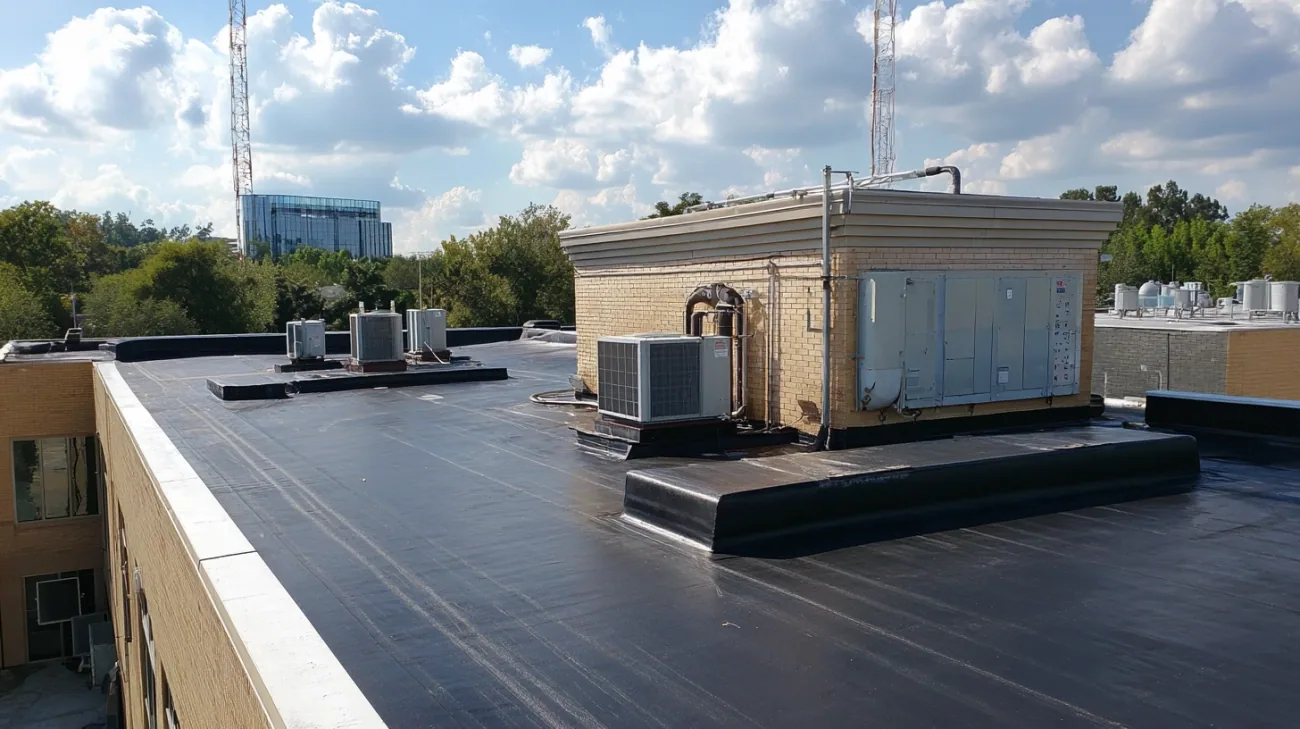
Commercial EPDM Roofing in Thornton, CO
Repair or replace commercial EPDM roofing in Thornton. Inspect seams, flashings, attachment and moisture before setting a repair or renewal scope.
A seam tape edge that lifts can admit water without leaving a clear opening in the field. We inspect the lap, adhesive bond, flashing and membrane movement before setting the repair boundary. EPDM can remain serviceable when defects are limited and the surrounding assembly is dry. Repeated seam problems or wet insulation may shift the decision toward broader work. The inspection record makes that distinction by roof zone.
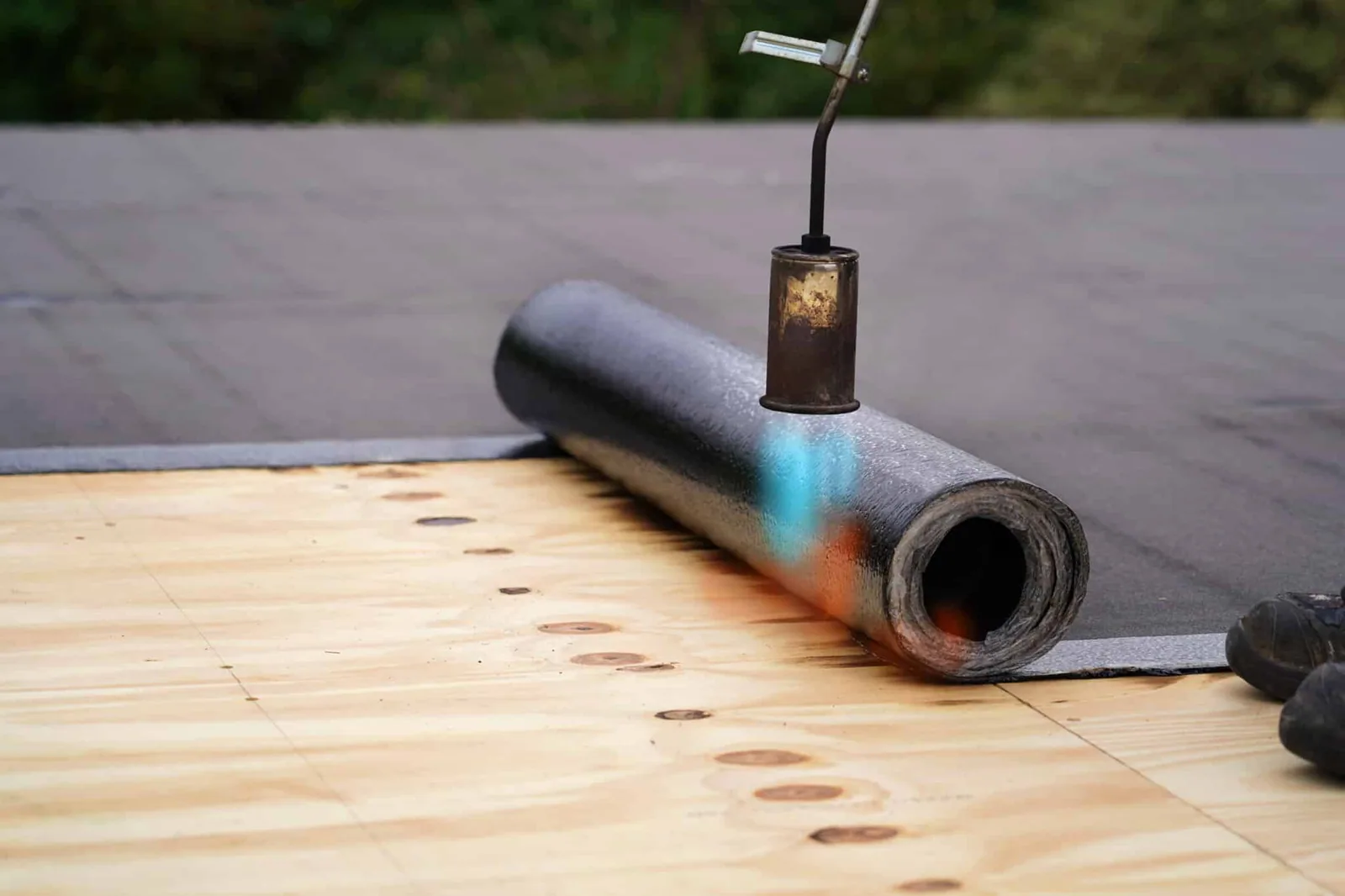
Rubber membrane: inspect the sheet and its bonds
EPDM is a synthetic rubber single-ply membrane. Its field seams are commonly joined with adhesive or seam tape rather than heat welding, and the correct repair materials depend on the existing system. We check tape edges, splices, patches, field adhesion and membrane condition near corners and penetrations. Dirt, moisture, aging adhesive or movement can weaken a bond. A patch needs clean, prepared material around the defect; coating over a loose lap does not restore the seam.
Dark EPDM can absorb more solar energy than a light-colored surface, but the building’s energy use depends on insulation, ventilation, occupancy and mechanical systems. We document the roof layers and the facility’s stated concerns before comparing alternatives. If a reflective surface is being considered, cool-roof options can be assessed against the complete assembly. We avoid using surface color alone as a replacement trigger.
Attachment review: check perimeter and field restraint
EPDM can be adhered, mechanically fastened or ballasted when the design allows. We review the deck, existing attachment, wind design, insulation and perimeter securement. At corners and edges, the assembly may need detail-specific reinforcement. We inspect terminations, wall flashings, metal, penetrations and rooftop equipment bases. If movement or uplift has loosened a termination, the repair scope needs to restore the underlying attachment rather than only seal the exposed edge.
Thornton has a planned industrial and logistics project at the point where I-25 meets E-470: Crossroads 25. That corridor location can affect delivery access and staging; it does not identify the roof assembly at a particular property. We inspect each building and confirm where material can be unloaded. For an EPDM roof with damaged insulation, assembly repair should be coordinated with the membrane tie-in and perimeter work.
Leak tracing: follow the path beyond the splice
Water may enter at a lap, drain, wall, pipe boot or equipment curb, then travel beneath the membrane before reaching the ceiling. We compare interior reports with roof elevations, seams and flashing transitions. If the source is unclear, moisture mapping can narrow the area for testing. We state which zones were sampled and where the assembly remains unknown. That evidence helps separate one repairable detail from a broad moisture condition.
Northglenn Marketplace has attached and stand-alone commercial structures with tenant spaces of different sizes. Those property facts make individual roof mapping useful across a retail center; they do not establish any building’s membrane or leak history. We label each roof and work boundary separately. Drain and scupper inspection can be combined when ponding or debris affects the route, while a penetration detail review can address openings near the reported stain.
Repair limit: know when a patch is enough
A repair may hold when the defect is isolated, the surrounding EPDM is flexible and the insulation and attachment remain sound. Multiple open splices, shrinking sheets, recurring leaks or widespread wet material can make repeated patches inefficient. We inspect representative areas and look for consistent failure patterns. If a core cut or tear-off is needed, the report identifies the sample location and the limit of that conclusion.
At Washington Point, a Northglenn retail center sits near I-25 and 120th Avenue. Traffic around the property may shape work access, while the roof condition sets the repair scope. The owner receives separate quantities for lap repairs, flashing, insulation removal and any field replacement. We can compare these findings with modified-bitumen roofing or PVC where a different assembly is being considered.
Weather plan: protect adhesive work and open areas
Adhesive and tape work requires a clean, dry surface and product-appropriate conditions. Snow, ice, dust and dampness can delay a repair. Denver climate records show winter snowfall and wide extremes, but current roof conditions determine whether an EPDM detail can be installed. We set the work limit, prepare the surface and confirm the close-in plan before opening the assembly. If weather interrupts, we protect the affected zone and document the return conditions.
For a roof near active loading or tenant operations, we coordinate the service path and material staging before arrival. We can respond around the clock to protect an active leak, then return for permanent work when the surface and access are suitable. The proposal separates temporary measures from the permanent repair. That gives the owner a clear record of what remains before the next inspection or capital review.
Scope comparison: price layers, access and repair records
Cost depends on roof height, attachment, number of splices, flashing complexity, insulation removal, deck condition, equipment congestion and access. We state the repair boundary and include a method for addressing concealed conditions. A localized fix and full replacement should not be compared unless both scopes identify the same insulation, edge and drainage work. Photos and test notes support a practical repair reserve.
After completion, we record the material used, splice and flashing repairs, tested areas and any monitoring recommendation. If the property has multiple roof sections, a condition report can keep each observation tied to its zone. Send the roof plan, leak history, access calendar and budget date. We will inspect the EPDM system and return a verified scope for repair, recover or replacement.
Commercial Roofing Questions
Can EPDM seam tape be repaired without replacing the whole roof?
Yes, if the defect is localized and the surrounding membrane and insulation remain sound. We prepare the surface, use compatible materials and inspect the adjacent splice. Repeated failures or moisture in multiple zones can change the decision to broader renewal.
How is EPDM different from TPO at a seam?
EPDM splices use adhesive or seam tape, while TPO seams are heat-welded. Repair methods and compatible accessories differ. We identify the existing system before selecting materials, then document the splice or weld condition and the work boundary.
Can you coat an EPDM roof to fix loose seams?
A field coating does not reattach a loose splice. We repair the seam and evaluate whether the existing assembly is eligible for a coating system. Moisture, movement, contamination and adhesion testing all affect that decision.
What does an EPDM replacement estimate include?
We define removal, insulation, deck work, attachment, perimeter details, penetrations, drains and access. Any hidden condition that may change quantities should be stated in the proposal. That makes the base scope comparable with a recover or localized repair option.
Can EPDM be repaired in winter?
The surface must be safe, dry and suitable for the repair materials. Snow and ice can block access or prevent proper preparation. We can inspect or provide temporary protection when conditions allow, then schedule permanent work for a suitable window.
Map EPDM seam and moisture conditions
Share the roof plan, leak locations, repair history, access calendar and capital timing. We will inspect the seams and transitions, then compare a localized repair with broader work.
Call 555-555-5555 or send the form and we will set up a visit.