

Commercial Roof Condition Reports in Thornton, CO
Receive a roof-zone report with dated photos, observed conditions, inspection limits and repair priorities for commercial properties in Thornton.
A photograph without a roof-zone label cannot support the next repair decision. Our condition report connects each image to a building, location and observed detail. It separates visible damage from suspected moisture or concealed assembly questions. The facility team receives a priority, a clear inspection limit and the next evidence needed to set repair or replacement quantities.
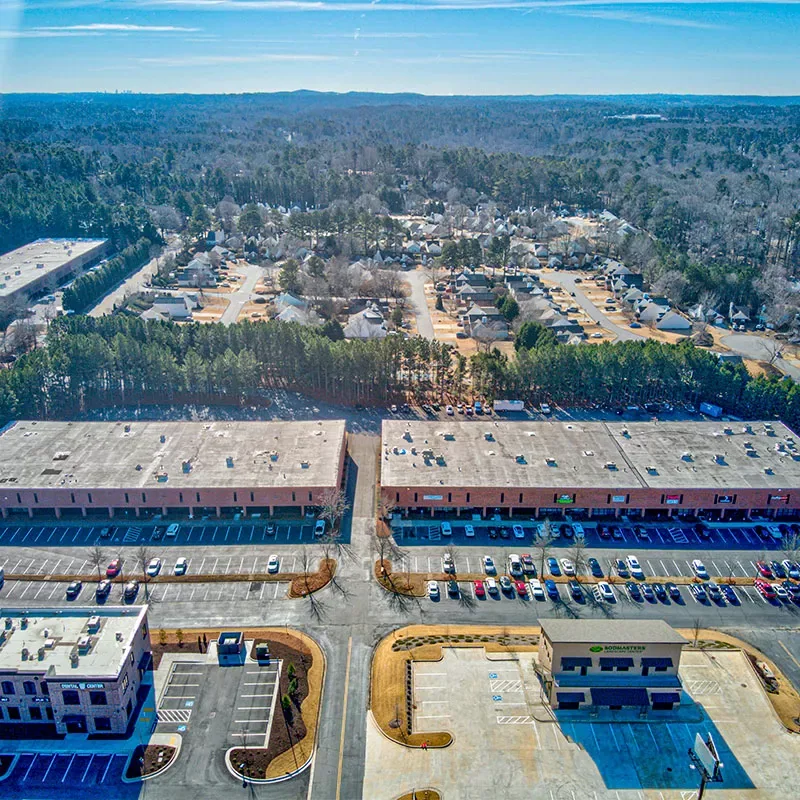
Inspection scope: define the question before the roof walk
We start with the building list, leak calls, roof plan, prior repairs and the decision the report needs to support. The inspection may focus on active water entry, a capital review, an event response or a transaction. We name the areas included and record access restrictions before conclusions are drawn. If a roof is covered by snow, equipment or temporary protection, the report states which surfaces were not visible.
Thornton’s Denver Premium Outlets is an open-air retail center with stores, dining, parking and shared common areas. North Washington Commerce Center is a separate industrial development on the I-25 corridor near Eastlake Station. Those places have distinct operating and access contexts, but their public descriptions do not identify roof conditions. We confirm each property’s roof boundaries and site contact before inspection. Denver Premium Outlets and North Washington Commerce Center are local references.
Photo record: show the detail and its location
Each photo should explain what the reader is seeing. We capture a wider view to locate the area, then a closer image of the seam, curb, edge, drain or membrane condition. The record includes the date, roof zone and direction where useful. If the image shows staining or surface wear rather than an opening, that distinction appears in the written finding. We avoid using a close-up without enough context to return to the same location.
Photos are paired with a roof plan or field sketch when the drawing is incomplete. Markers identify tested areas, repaired details and portions that could not be reached. If a moisture survey is included, its boundary and reading locations are mapped separately from any test cut. The photo index gives each image a short finding label, urgency and recommended action. A facilities analyst can then move from a budget summary to the evidence supporting it. We identify repeated observations and prior repairs without treating them as a single failure unless the inspection supports that conclusion. This format also helps a new manager understand which locations need follow-up. Drone inspection can provide overhead views, while infrared moisture surveying may guide physical confirmation where results could change the scope.
Finding language: keep observation and inference separate
A report distinguishes direct observation, owner-reported history and a condition that needs confirmation. An open seam is visible evidence; the hidden extent of wet insulation is not. We state what the inspection can support, what remains unknown and what test would answer the next question. This keeps a repair quantity from being based on a condition that has not been seen or sampled.
Thornton’s May 2024 hail event and other regional weather records can guide inspection timing, but weather history does not replace the building’s own review. If an event is part of the request, we list its date as context and map actual findings by roof zone. A hands-on inspection can document accessible roof conditions; hail assessment can separate impact evidence from prior wear.
Priority table: connect each finding to an action
Every finding receives an action: protect now, repair, test, monitor or include in a capital phase. The report names the reason for that action and the person who must decide. A priority reflects condition and consequence, not just surface appearance. An active leak over occupied space may call for immediate protection; a weathered field with no confirmed opening may need a planned review instead. Thornton’s permit rules also matter when a recommendation crosses into replacement or changes the assembly. We note when the owner should confirm the applicable review path before final quantities are approved.
The report also notes cost and timing drivers such as access, removal depth, insulation, edge work, equipment coordination and interior protection. Allowances remain separate from measured quantities. A test can change the repair boundary, so its location and authorization are shown before work begins. For each recommendation, we identify the part of the roof included and the material or detail that will be left in place. The scope also states whether work can occur in one visit, needs a return after testing or should be coordinated with another trade. These details help the owner compare bids without treating unlike work as equivalent. A repair scope can use the finding list, while replacement planning can use it to define included and deferred areas.
Follow-up: preserve the report after the inspection
We can deliver the report with a concise decision summary and supporting roof-zone detail. The summary identifies open questions and the next review date. If work follows, closeout photos and materials should be added to the same property record so the owner can compare completed repairs with earlier observations. A report is updated when new evidence changes the condition, not simply because another budget year begins.
For a portfolio, asset management can keep reports indexed by building; transaction surveys can focus the inspection on acquisition or financing decisions. Send the roof plan, active leaks, capital question and access rules. We will return a report that identifies what is known and what should happen next. The final package can include a marked roof plan, photo index, recommendation list and separate appendix for tests. We retain the report date and inspection scope so a future reviewer understands the conditions that were visible. If access restrictions prevented a full review, the open area is identified with the steps needed to complete it.
Commercial Roofing Questions
What makes a roof condition report useful to a facilities team?
It ties each observation to a roof zone, dated image, action and next decision. Access limits, suspected conditions and test needs should remain visible beside confirmed findings.
Can photos show whether insulation is wet?
A surface image rarely confirms concealed moisture. We may use a survey to select test locations, then document the physical findings and the area sampled.
How should we use a report in a capital meeting?
Bring the roof-zone findings, quantities, test limits, cost drivers and decision dates. The summary should separate urgent protection from work that can be scheduled in a later phase.
Will a drone report replace a hands-on inspection?
Aerial images help map visible areas, but they do not inspect every seam or concealed layer. We state which methods were used and where physical access is still required.
How often should a report be updated after repairs?
Update it when work changes a roof zone, new evidence changes a priority or a planned test resolves an open question. Keep closeout photos and materials with the original property history.
Put the roof finding on a map
Send the property list, roof plans, leak history, access rules and decision date. We will document conditions by zone and identify the next action.
Call 555-555-5555 or send the form and we will set up a visit.