

Commercial Skylight and Penetration Flashing in Thornton, CO
Repair skylight curbs and roof penetrations in Thornton. Inspect seals, flashing and nearby membrane, then coordinate access and close-in timing.
A ceiling stain below a skylight can send a facility team toward the wrong repair. Water may enter at the curb, a fastener, a nearby seam or an opening several feet away. We trace the path on the roof, inspect the flashing and record what needs a patch, a detail rebuild or a larger assembly decision. In Thornton, hail and seasonal wind add inspection pressure, but each roof zone still needs its own evidence.
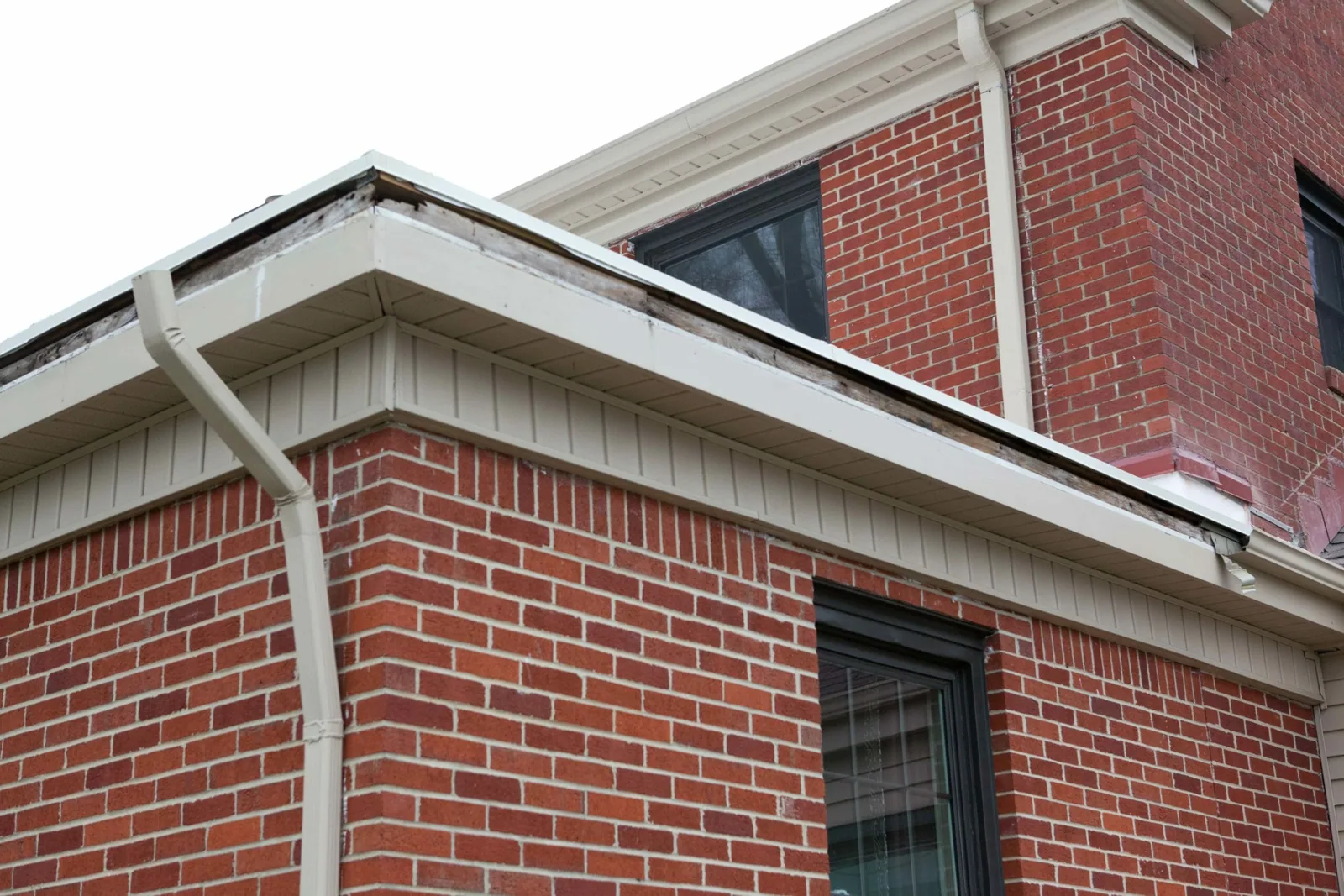
Water path: start at the curb and work outward
We check the skylight frame, curb height, counterflashing, sealant, membrane tie-in and the roof field around the opening. Cracked sealant may be visible, but it does not prove that sealant is the full repair. A curb can move, a flashing edge can release, or water can travel beneath the membrane before it reaches an interior finish. We note the stain location, roof slope, seams and nearby equipment so the proposed work follows the observed path.
Thornton and Northglenn were both in the path of the May 30, 2024 hailstorm, which brought one to two inch hail and reported roof damage. A hail report can trigger a closer look at skylight lenses, frames and adjacent membrane. It does not establish damage at every opening. We photograph each affected zone and separate impact evidence from older sealant wear or unrelated leakage. A roof condition report keeps those findings attached to the right building and opening.
Opening detail: match the repair to the assembly
Skylights, roof hatches, pipes, conduit supports and equipment curbs interrupt a continuous membrane. Each opening needs compatible flashing and a secure transition to the roof field. We identify the existing membrane type, inspect attachment and check whether the curb or penetration can remain in service. For a skylight, the decision may include the frame, glazing and curb. For a pipe, it may focus on the boot, clamp and membrane bond.
A patch over a loose or wet perimeter can trap the condition. We remove only what the scope requires, examine the exposed substrate, then rebuild the detail with materials suited to the roof system. If insulation is wet or the deck is compromised, the repair boundary may need to grow. Insulation and cover board work can be included where testing or an opening confirms a broader assembly issue. The work order records any concealed condition that changes cost or close-in time.
Access and close-in: protect occupied space
Skylight work can affect people below as well as technicians above. Before mobilization, we map roof access, interior protection, fall controls, tenant activity and any area that must stay open. The access plan matters at a medical or industrial facility where a corridor, loading route or production schedule cannot be interrupted without notice. We coordinate the work sequence, identify the opening under repair and keep loose materials clear of the roof drain path.
At South Thornton Healthcare District, medical and commercial activity makes access coordination a practical part of the roof scope. We do not infer a particular building assembly from its address. The facility team can provide roof plans, ceiling reports and restricted-hour windows; we verify the opening and roof conditions during inspection. If active leakage needs immediate protection, the around-the-clock response team can stabilize the affected area, then return for a permanent detail when weather and access allow.
Weather window: plan a dry, secure tie-in
Flashing work depends on surface condition, product requirements and a safe close-in window. Snow, ice or a wet membrane can delay adhesion and make roof travel unsafe. Denver climate records show meaningful winter snowfall, including a November 2024 storm with heavy accumulations across parts of metro Denver. Those are regional records, not measurements at a Thornton property. We use them to plan seasonal access, then check site conditions and the forecast before scheduling material installation.
Hail can also bruise a membrane or damage a skylight lens without producing an immediate ceiling leak. During the May storm review, we can mark visible impact, test suspect areas and list items that need observation after rain. Hail-related roof repair is appropriate when the inspection ties damage to the event. A separate hands-on roof inspection can map openings and nearby seams when the leak source is still uncertain.
Repair scope: separate the opening from nearby work
The written scope identifies each skylight or penetration, the repair boundary, materials, interior protection and expected access limits. Cost changes with curb size, height, membrane type, quantity, concealed damage and the amount of protection needed below. A repair at one isolated opening differs from repeating the detail across several roof zones. We identify those quantities instead of pricing a broad allowance that leaves the facility team unable to compare the options.
Where metal transitions meet the opening, the adjacent coping or edge condition may affect the tie-in. Our edge metal and coping repairs can be coordinated with the flashing sequence. For a property near Thornton Urban Center, work planning also accounts for tenant access and roof routes; the district’s mixed commercial uses do not tell us what equipment or skylights sit on a particular roof. We verify the property before mobilization.
Condition record: show what was repaired
After the detail is complete, we photograph the opening, adjacent field and any concealed condition found during work. The closeout states whether the skylight remained, whether flashing was rebuilt and whether monitoring or further testing is recommended. If the owner is weighing multiple openings against a capital deadline, the record distinguishes urgent leakage from planned renewal. That supports a repair reserve without treating every curb as the same risk.
Send the roof plan, interior leak locations, opening schedule, access calendar and any recent hail report. We will trace each water path and return a verified scope with the work sequence. Flashing repair can address a failed perimeter detail, while drainage correction may be needed if water is collecting around the opening. For multi-building owners, a roof condition record ties each repair to its roof zone.
Commercial Roofing Questions
Can a skylight leak even when the glazing looks intact?
Yes. The curb, flashing, sealant or nearby membrane can admit water while the lens remains sound. We inspect the full transition and trace the moisture path before deciding whether to retain the skylight or replace part of the assembly.
What should our team send before a roof opening inspection?
A roof plan, interior stain locations, photos, access rules and any prior repair notes help us prepare. We still verify the roof surface in person. Those records narrow the search and let us plan protection for occupied rooms below.
How do you handle several leaking penetrations on one building?
We label each opening by roof zone and record its condition separately. The scope groups similar details only when the assembly and repair are alike. That gives the facility team a clear priority list and keeps sound openings out of an unnecessary replacement allowance.
Can work proceed during winter?
Weather and surface conditions decide the installation window. We can inspect or provide temporary protection when access is safe, then schedule permanent flashing for suitable conditions. Snow and ice may restrict travel or prevent material bonding, so the close-in date is confirmed against the site and forecast.
When does a skylight repair become a replacement decision?
A damaged frame, recurring leakage, wet surrounding insulation or a curb that cannot support a durable tie-in can change the decision. We document those findings and compare a localized repair with a broader assembly scope before work starts.
Set the opening repair sequence
Share the roof plan, leak locations, access calendar and any active interior condition. We will inspect the curb and nearby membrane, then return a verified scope with the work window and close-in needs.
Call 555-555-5555 or send the form and we will set up a visit.