
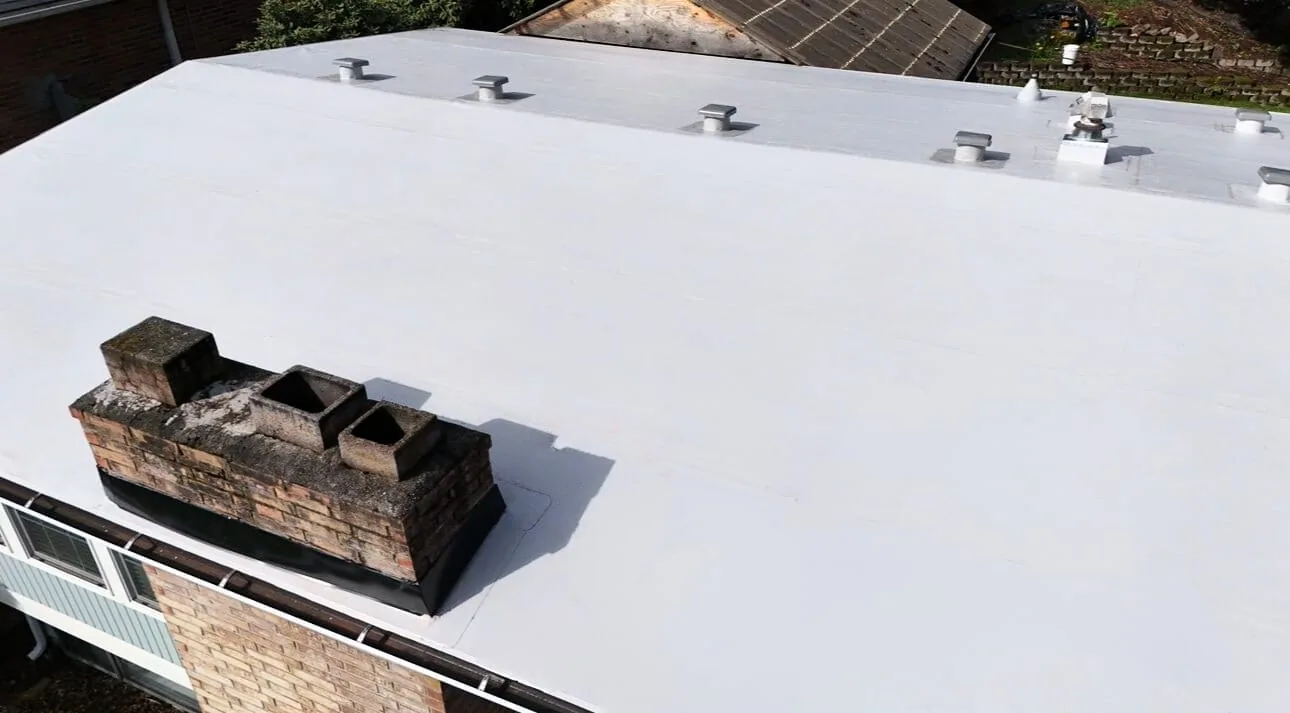
Commercial Roof Seam Failure Repair in Thornton, CO
Inspect split or open commercial roof seams, trace moisture and define a compatible repair for buildings and facilities in Thornton, Colorado.
A seam opening beside a patch can allow water under the membrane before the defect reaches the interior. We map the joint, check the adjacent sheet and identify whether the separation is local or part of a wider pattern. The report shows what can be repaired now, what needs testing and which detail must be restored before the roof closes.
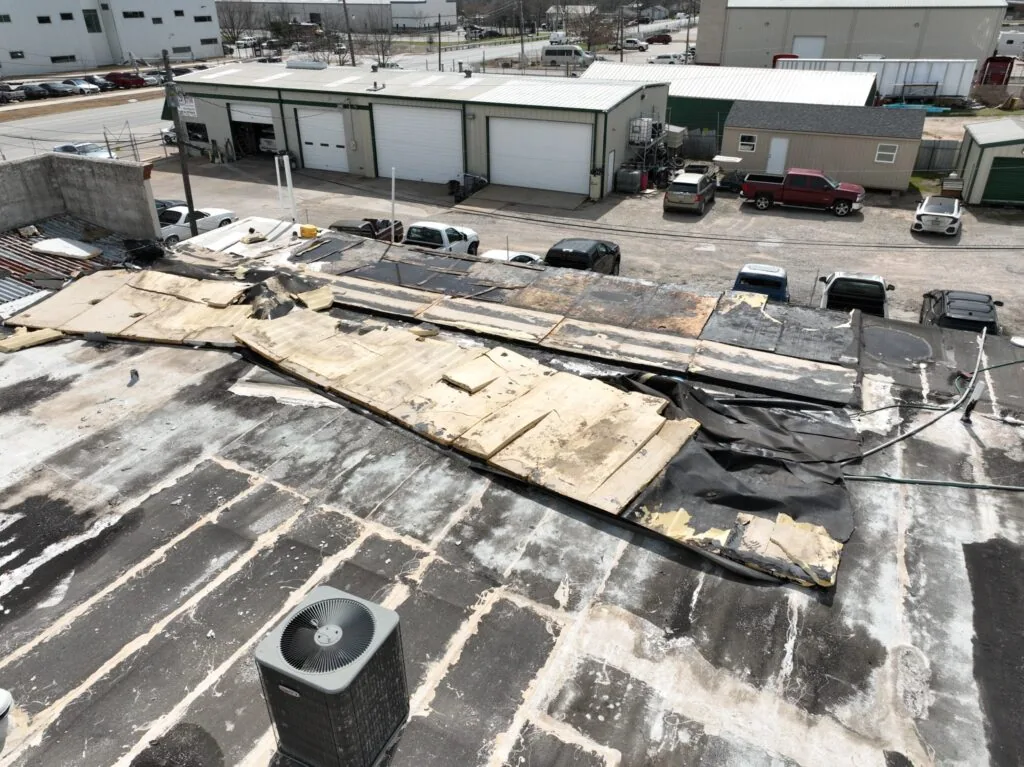
Joint check: identify the assembly before repair
The repair method depends on the roof system. Thermoplastic sheets may use heat-welded seams; EPDM seams typically use adhesive and seam tape. Modified bitumen and built-up roofs have different lap and surfacing details. We identify the material and inspect the joint for contamination, poor adhesion, movement, puncture, surface weathering or a prior incompatible repair. A generic sealant over an unknown seam can make later work harder.
Thornton’s Innovate 25 is an industrial park near East 128th Avenue and Washington Street with dock-high and drive-in doors. Those listed site features create a delivery and access context, not evidence about any building’s roof. On an operating property, we confirm the approved work entrance, staging area and equipment routes before moving rolls or welding tools. Innovate 25 is one north Thornton reference for coordinating commercial access.
Failure pattern: follow the joint beyond the first split
We probe the opening where safe and record its length, direction, location and relation to a curb, edge, drain or prior repair. A short separation may be confined to one splice. Repeated openings at the same exposure or attachment line can indicate movement or a broader system issue. We inspect the sheet on both sides and check whether moisture or loose insulation extends beyond the visible defect.
An interior leak report gives another point of comparison, not a seam diagnosis by itself. We map the room, date and weather against the roof location and note any test needed to verify the path. A puncture finding is recorded separately when the sheet has a cut or impact point. A nearby failed transition also needs its own repair boundary.
Local scheduling: set access before opening the seam
Thornton’s North Metro N Line serves Eastlake at 124th Station, where the city plan builds on a compact main-street grid. Commercial properties near transit and active street fronts may have limited lift or material routes. The station plan does not describe roofing systems. We confirm the actual site’s access hours and identify how tools, waste and replacement material will move without crossing public or tenant paths. Eastlake at 124th Station Area provides that local access context.
Before work, we set the maximum seam length to expose, the substrate review point and the end-of-shift close-in. If the building stays open, the plan names interior protection and the person who releases each area. Wind or precipitation can change the day’s limit. The work order states how an open section will be secured if conditions change.
Repair method: restore compatible material and bond
For a thermoplastic system, preparation and weld settings must suit the membrane condition and product requirements. For an adhered seam, the installer may need to remove failed tape or contaminated material and prepare a clean bonding surface. The work is not complete when a patch is placed; edges, terminations and tie-ins need inspection. We record the repair area and any nearby seam that remains untested.
When the surrounding sheet is brittle, wet or poorly attached, a narrow patch may not hold. We explain whether the scope should widen, include a test cut or shift toward replacement. TPO seam work and EPDM joint repair use system-specific details. The owner receives quantities and limits for each alternative, including removal and temporary protection. For a building with active production or storage, we also identify the area below the seam and the time needed for access. Work may require moving contents, restricting a room or scheduling a brief equipment pause. Those steps are listed separately from membrane labor so the facility lead can coordinate the interior response and the property manager can compare the full work window. Any moisture test is mapped to its location and purpose.
Scope review: price the condition that was found
The estimate identifies seam length, number of repairs, access, roof height, material preparation, insulation review and interior protection. If the failure pattern continues beyond sampled areas, the proposal states how additional work will be authorized. It also identifies whether a repair could be completed from the surface or needs limited removal to reach the bond line. A test opening has its own location and restoration detail. This lets the facility compare a repair reserve with a larger assembly scope without mixing known work and concealed-condition assumptions. We date the work log and note the crew release time for facility staff.
A hands-on roof inspection can map adjacent details, and commercial repair work can restore the confirmed joint. If repeated failures approach a replacement threshold, the owner can compare repair limits with a broader renewal instead of extending a patch indefinitely.
Closeout: mark every repaired joint
We provide before-and-after photographs, roof-zone labels, material information, probe or test results and any open question. The record identifies whether the repair replaced prior patch material and whether the adjacent assembly was sampled. A later inspection can return to the same seam and compare its condition. Include a close photo and a wider view of the adjoining roof zone. If the source of an interior mark remains uncertain, that limit stays in the closeout.
Send the roof plan, system details if available, leak history, repair photos and access requirements. We will confirm the seam type, report the test boundary and return a repair sequence with the work window stated.
Commercial Roofing Questions
Can we seal an open seam without knowing the membrane type?
First identify the assembly and prior repair materials. TPO, PVC, EPDM and multi-ply systems require different preparation and tie-in methods. The repair record states what was confirmed before material is applied.
How far should an open seam be investigated?
We inspect the joint beyond its visible split and compare nearby seams, attachment, moisture and interior reports. The report names the tested area and whether a broader pattern remains possible.
Will a seam repair stop an interior leak?
It can address the source when the seam is confirmed as the entry point. If water may be traveling from another detail, we map that uncertainty and recommend a test before closing the scope.
What changes the price of a seam repair?
Seam length, access, membrane type, old patch removal, substrate condition and close-in requirements affect the work. Concealed wet materials or attachment issues may require separate approval.
When does repeated seam failure point to replacement?
A recurring pattern across roof zones, poor sheet condition, moisture or weak attachment can move the decision toward a broader scope. We compare those findings with a localized repair and state what evidence supports each option.
Map the seam before selecting the repair
Share system details, roof plans, leak locations, repair records and access windows. We will inspect the joint and return a compatible repair scope by roof zone.
Call 555-555-5555 or send the form and we will set up a visit.