
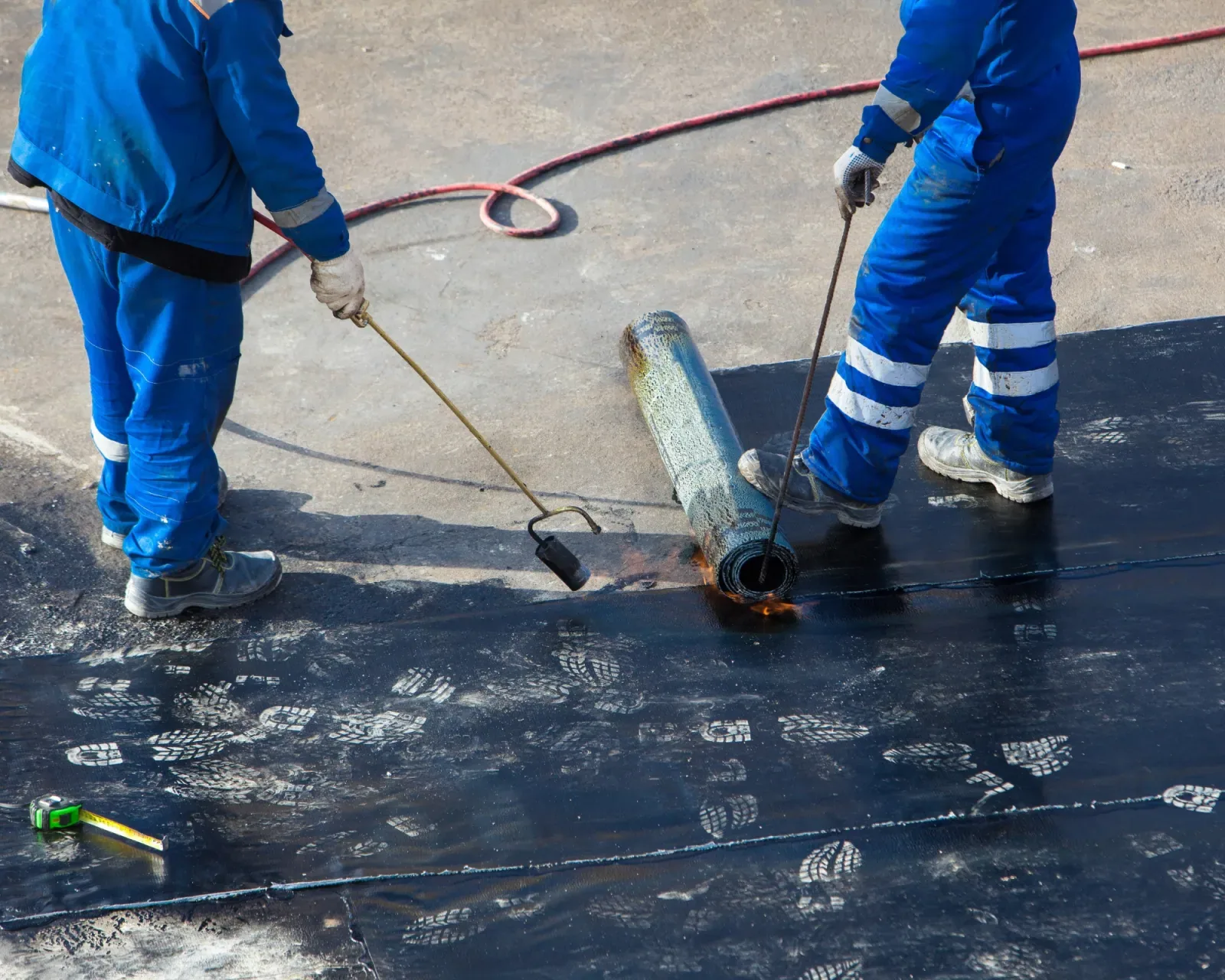
Commercial Roof Membrane Puncture Repair in Thornton, CO
Locate cuts, punctures and foot-traffic damage in commercial roof membranes, then scope compatible repairs for Thornton buildings.
A narrow cut beside a rooftop service unit can pass through the membrane and expose insulation to water. We locate the mark, inspect nearby traffic paths and equipment supports, and document the material before setting the patch boundary. The repair record separates a confirmed puncture from scuffing or suspected impact. We preserve the first inspection date and note any temporary measure already in place. It also states whether moisture beneath the sheet needs a separate test.
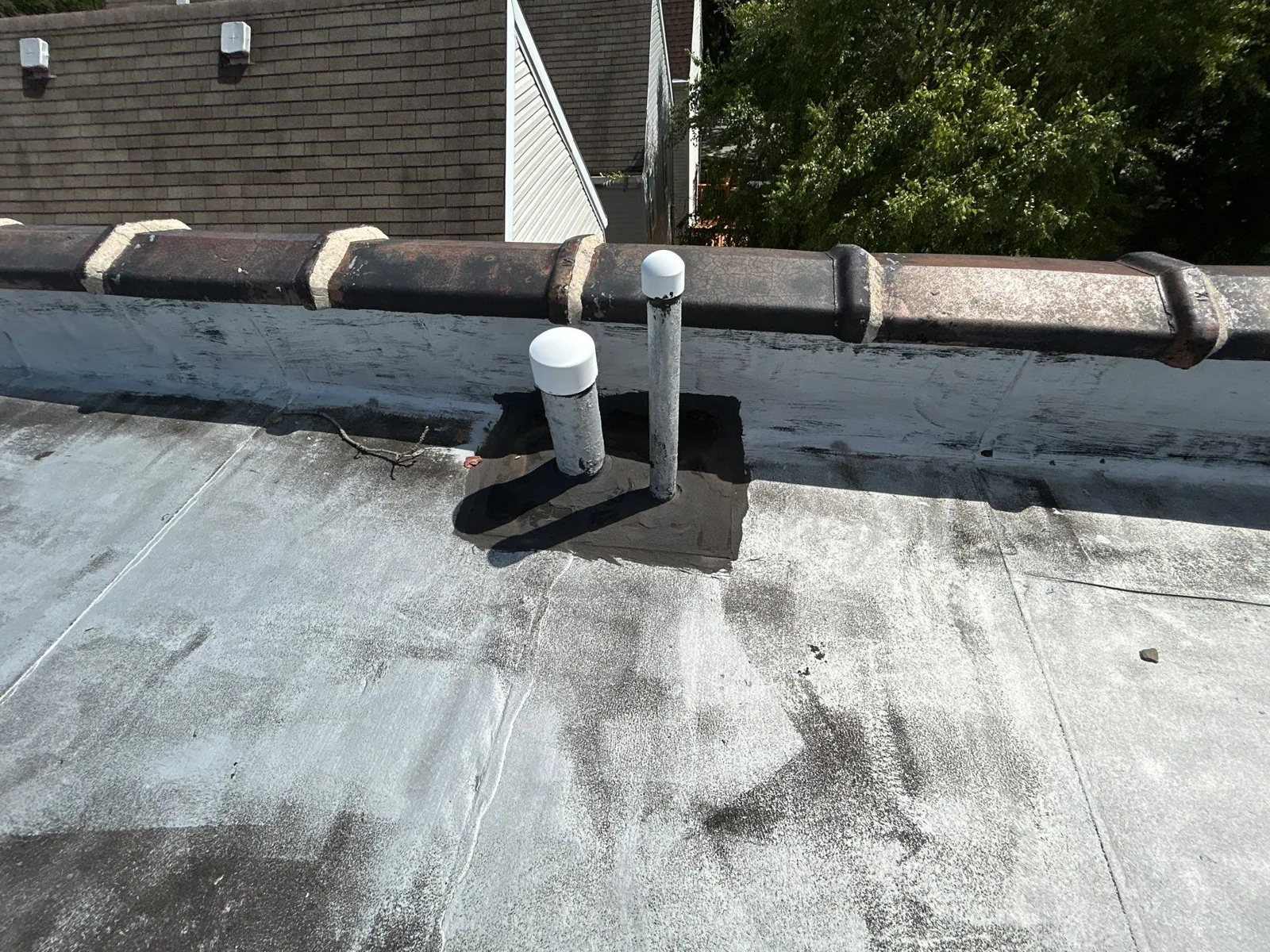
Surface map: connect the cut to a work route
We photograph the puncture at close range and in the surrounding roof zone. Nearby walk pads, ladder paths, equipment bases, loose fasteners and stored materials can help explain the damage pattern. We inspect adjacent seams and penetrations for secondary openings. A mark on the surface may be a cut, abrasion, impact or an older repair edge, so the report records what can be confirmed without widening the opening.
25 North Business Park is planned as a 70-acre employment project with I-25 and E-470 access. Its listed uses include food production and manufacturing alongside distribution and flex space. That development mix calls for site-specific roof access coordination; it does not establish a membrane type or service path. 25 North Business Park is a local operations reference.
Under-sheet check: determine whether moisture spread
A puncture can admit water even when the surrounding surface appears intact. We compare the opening with interior reports and inspect insulation and deck where access allows. Infrared or other moisture mapping can help select test locations, but a reading needs confirmation before it becomes a removal quantity. We identify the method, sampled area and remaining uncertainty in the condition record. That evidence supports a later capital review cycle and reserve tracking.
Where a test cut is approved, we document the layers, moisture and attachment, then restore the opening to a specified temporary or permanent condition. If the insulation is wet, a surface patch alone may leave the assembly compromised. Moisture mapping can inform test placement; wind-related damage is recorded separately when displaced perimeter details are also present.
Traffic control: protect the membrane after repair
Foot traffic damage often follows a service route across the roof. We map the route and identify where technicians carry tools, move parts or work beside curbs. If the path crosses a membrane without protection, a walk pad or revised route may be part of the recommendation. The repair plan also notes whether equipment support, sharp-edged scrap or construction debris contributed to the opening.
North Washington Commerce Center is an I-25-area development near Eastlake Station with multiple highway access points. Its logistics profile illustrates why property access and rooftop movement should be planned together, but does not establish conditions on an individual tenant roof. We confirm the actual site’s receiving hours, roof hatch and lift route. North Washington Commerce Center is a second local planning reference.
Compatible repair: match the patch to the membrane
Patch preparation depends on the membrane type and condition. Thermoplastic sheets need a compatible welded patch and sound surface around the defect. EPDM repair uses compatible adhesive and seam materials. Modified bitumen, built-up roofs and metal systems require different methods. We identify the assembly before choosing materials and remove contamination or failed patch material as needed. The repaired edge must tie into a sound surface. The estimate names surface preparation, patch size, surrounding access, cleanup and any interior protection. If several marks follow the same route, we record each point and assess whether they share a cause. Labor can increase when equipment needs to be moved or when old repairs must be removed before a compatible patch can be applied.
If the sheet is brittle, wet, poorly attached or punctured in several locations, a single patch may be incomplete. We map the other findings and compare a localized repair with broader testing. TPO membrane repair can follow its system-specific requirements, while a separate seam opening gets its own inspection and boundary. A closeout photo shows the patch in relation to the previous mark and nearest detail.
Work sequence: protect the occupied area below
Before cutting or cleaning the membrane, we confirm access below the work zone, contents, equipment and any sensitive operation. The crew limits exposed roof area and closes the repair before leaving. If a test reveals wet material or damaged deck, the opening is secured while the owner reviews the additional scope. The facility lead receives notice about any room or service restriction and the expected handback.
For a covered permit scope or assembly change, Thornton’s current code requirements should be checked against the proposed work. A small membrane patch and broader replacement can follow different review paths. A roof inspection can document the surrounding condition, and curb and support work may be coordinated when equipment access contributed to the damage.
Closeout: prevent the next puncture
We provide location, material, repair method, before-and-after photos and the test limit. If a route needs a new walk pad or access rule, it is recorded as an action with an owner. The facility can then direct maintenance staff and service vendors away from vulnerable sheet areas. A marked service route can also be reviewed during vendor orientation and after future equipment work. If the roof plan changes, update the protected path rather than assuming the prior walk pads remain in place. Any remaining moisture question stays open rather than being folded into a completed patch.
Share the roof plan, puncture photos, service history, access route and any interior water report. We will map the affected zone, identify moisture testing needs and return a repair scope with protection measures. A roof condition record keeps the repair location clear for the next inspection.
Commercial Roofing Questions
How do we know a mark is a puncture and not surface scuffing?
We inspect the membrane thickness and edge, nearby traffic path, underlying layer where visible and any interior report. The record distinguishes an opening from a surface mark and notes when a test is needed.
Can a puncture repair be made without testing the insulation?
A localized patch may be appropriate when there is no evidence of moisture below. If staining, soft insulation or recurring water suggests spread, we define a test area before setting removal limits.
What causes repeat punctures near rooftop equipment?
Service paths, tool handling, removed parts, supports and unprotected crossings can all contribute. We inspect the route and recommend a protection boundary tied to the actual access pattern.
Will a patch restore the full roof assembly?
It restores the confirmed opening when surrounding membrane and substrate are serviceable. Wet insulation, damaged deck or multiple defects can require additional work beyond the patch.
What should a facility do after a puncture is found?
Record the roof location, interior impact, date and access condition. Restrict unsafe access, protect exposed contents where needed and schedule a roof inspection to verify the opening and any moisture below.
Locate the puncture and the access route
Send puncture photos, roof plans, service records, access routes and any interior water report. We will document the material, test boundary and compatible repair.
Call 555-555-5555 or send the form and we will set up a visit.