
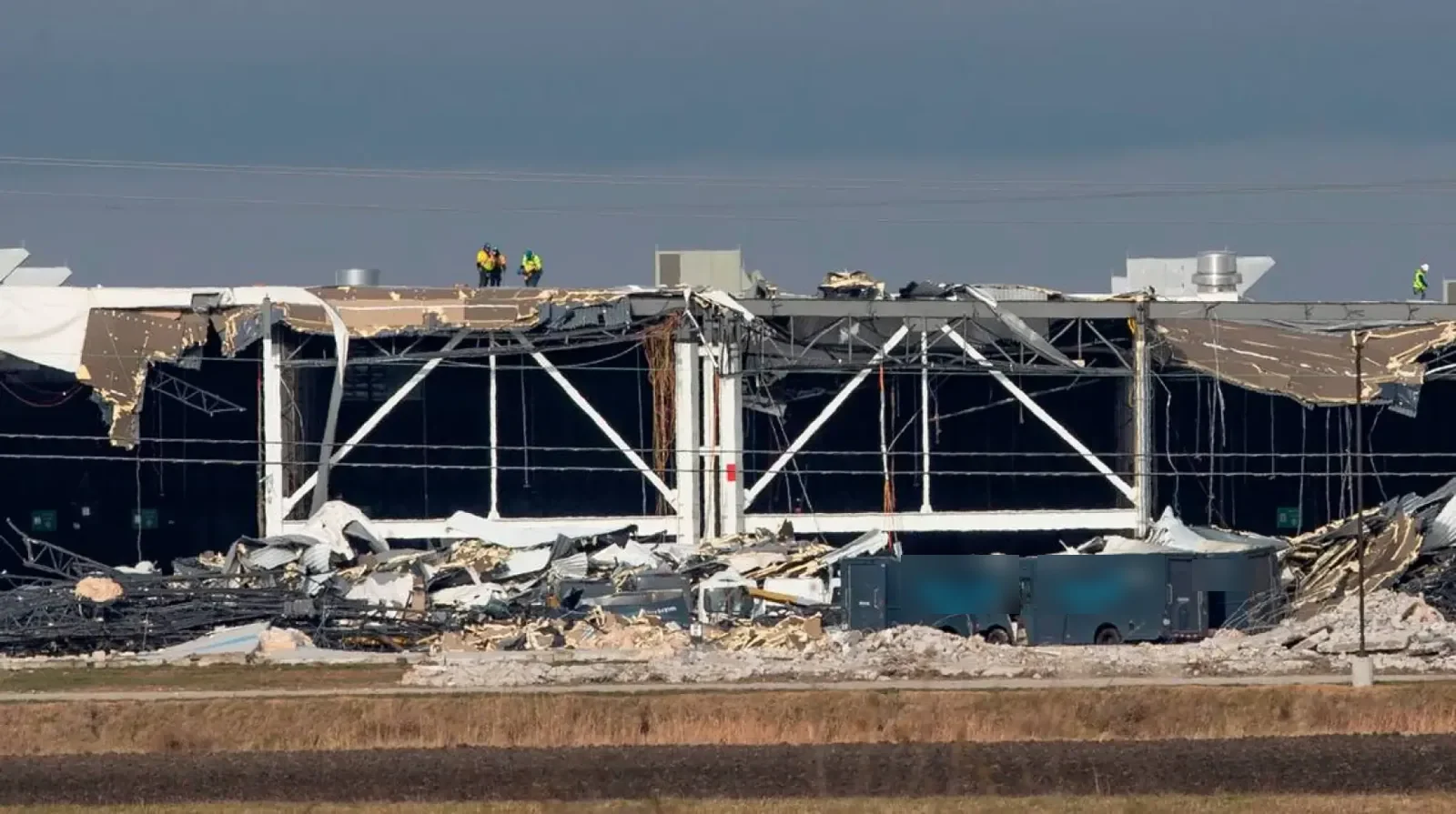
Commercial Tornado Damage Roof Repair in Thornton, CO
Secure roof openings, inspect displaced assemblies and document tornado-related damage by building and roof zone in Thornton, Colorado.
A tornado warning turns roof access into a site-control decision. We begin after the facility lead releases the area, then document openings, displaced materials and any temporary protection already installed. The report separates what is visible from conditions that need testing or structural review. Adams County identifies mid-May through mid-August as the Front Range tornado season peak, which can overlap summer project work.
Site release: confirm the work boundary first
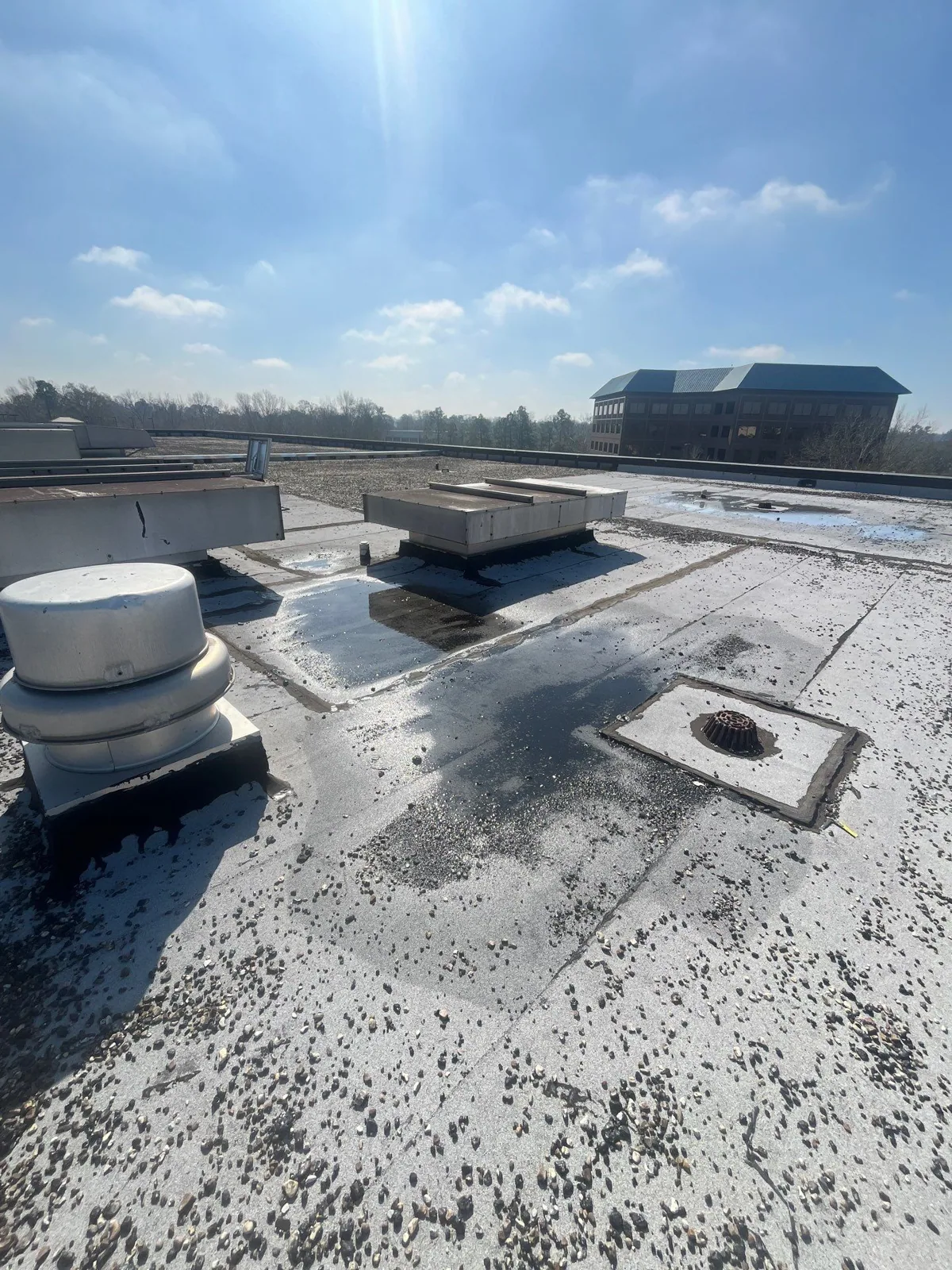
Before a roof walk, we confirm safe entry, unstable debris, restricted rooms and any structural review needed. A missing section of membrane or displaced coping can leave an opening above occupied space. We identify who controls access, where crews can stage and which routes stay clear for emergency response. If a roof zone is not released, it remains uninspected in the report.
Thornton’s Eastlake at 124th area connects to the North Metro N Line and follows a small-lot main-street pattern. North Washington is a separate employment corridor with industrial development and multiple I-25 access points. Those local settings can create different access, staging and operating constraints after severe weather. Neither planning area proves a particular roof has damage. Eastlake at 124th Station Area and North Washington Subarea provide local context for coordinating site access.
Opening control: protect the building before sizing repair
Temporary cover should identify the opening, attachment, runoff direction, inspection interval and person who will monitor it. We coordinate protection with the facility contact and record whether rooms or equipment below remain restricted. The measure must be checked after weather changes. It is a short-term control, not a permanent repair or a finding about hidden insulation.
Where wind-driven debris or displaced material has opened the roof, we photograph the edge, substrate and surrounding membrane. A test opening may be needed to check attachment or moisture, but it requires authorization and a plan to close the assembly. Wind-related roof review documents perimeter movement, while hail inspection identifies a separate impact pattern if present.
Damage inventory: inspect the whole affected path
We inspect roof edges, corners, field membrane, seams, curbs, drains, flashing and rooftop equipment within the accessible area. Damage may extend beyond the first visible opening. We trace each finding to a roof-zone label and note whether the substrate can be observed. Interior water reports, ceiling openings and equipment alarms are recorded as separate evidence and compared with the exterior inspection.
Adams County’s hazard guidance identifies a seasonal tornado window, but a regional hazard description is not a property condition report. The building’s own access, assembly and observed damage determine the work. We record whether the roof is fully visible, whether temporary cover hides any part and which elevations remain unchecked. A second visit can close those gaps once the site authority releases access. If a facility is near the I-25 employment corridor, truck routes and lift placement may need adjustment for response vehicles or active loading. We confirm those restrictions with the incident lead before scheduling materials or debris removal.
Repair path: restore only after the substrate is understood
A small opening may permit a local patch if nearby membrane, attachment and insulation remain serviceable. Broad displacement, wet layers, damaged deck or repeated edge movement can require expanded removal. We identify what is confirmed and what would change the boundary. If testing reveals concealed damage, photographs and quantities go to the owner for approval before the crew extends the work. A cost comparison separates emergency protection, permanent membrane repair, deck or insulation work and any equipment coordination. We identify which tasks can proceed under the current authorization and which need a revised approval. That keeps a time-sensitive closure from obscuring the longer-term condition decision.
For a permitted assembly replacement, we check the city’s adopted 2024 building and existing-building provisions, then confirm any energy requirements for the proposed work. The project scope and permit date determine the review path before materials are finalized. Emergency roof protection can secure exposure; replacement planning can compare a larger renewal when inspection evidence supports it. Roof claim documentation keeps observed damage and repair scope together.
Sequencing: coordinate recovery with facility operations
Response work may run alongside debris removal, interior drying, equipment checks and structural review. The roofing sequence names the area available, daily opening limit, temporary close-in and inspection hold point. We coordinate access below the roof and identify any room or route that remains restricted. The facility lead receives a status at each handoff rather than a general statement that the building is ready.
Thornton’s North Washington Commerce Center is near Eastlake Station and has access points along I-25. In a recovery period, that local geography matters for planning arrival and delivery, but the site manager decides which gate and route are usable. North Washington Commerce Center is a named local reference. A phased plan can keep unaffected building sections available while repair proceeds elsewhere. The sequence should identify temporary cover checks, debris handling, equipment isolation, deck inspection and owner approval points. If interior drying is underway, roofing close-in and room release need separate sign-offs. Work dates depend on safe access and material availability, while repair quantities depend on what inspection exposes. We state both so recovery planning does not confuse a target date with a verified scope.
Closeout: keep temporary and permanent work distinct
The final record lists the opening, temporary measures, permanent repair, material, photos, inspection results and any area still awaiting review. It identifies when protection was removed and who accepted the handback. If the work stopped at an agreed boundary, remaining concerns stay visible with the next action and assigned contact. That file supports future inspections and any later interior report.
Send the event date, site-release contact, roof plan, access limits, interior reports and notes on emergency work. We will return a zone-based condition record, immediate protection options and a sequence for permanent repair after access and testing are resolved.
Commercial Roofing Questions
Can we inspect a roof immediately after a tornado warning?
Inspection waits until the incident lead releases safe access. We document restricted areas, debris and any structural or environmental review required before entering the roof zone.
Does Adams County’s tornado season mean our building is damaged?
No. Seasonal hazard information helps facilities prepare and set inspection timing. The roof needs a direct review before damage or repair scope is assigned.
How do you decide how much membrane to remove?
We map the opening, check adjacent attachment and insulation, and use approved test locations where conditions are concealed. Removal limits follow observed layers and test results.
Can temporary protection remain while the permanent scope is prepared?
Yes, when its limits, attachment and inspection interval are defined. The facility monitors it after weather changes and keeps the affected area restricted until released.
What details should the closeout include after severe weather?
Keep the affected roof zones, before-and-after images, temporary measures, materials, test results, access limits and any remaining action with the facility record.
Start with safe access and a mapped roof condition
Share the site-release contact, roof plan, access limits and interior reports. We will document the affected zones and return a protection and repair sequence.
Call 555-555-5555 or send the form and we will set up a visit.