
Commercial Roof Insurance Claim Assistance in Thornton, CO
Organize commercial roof claim documentation in Thornton with dated photos, condition notes and a repair scope. Separate observed damage from open questions.
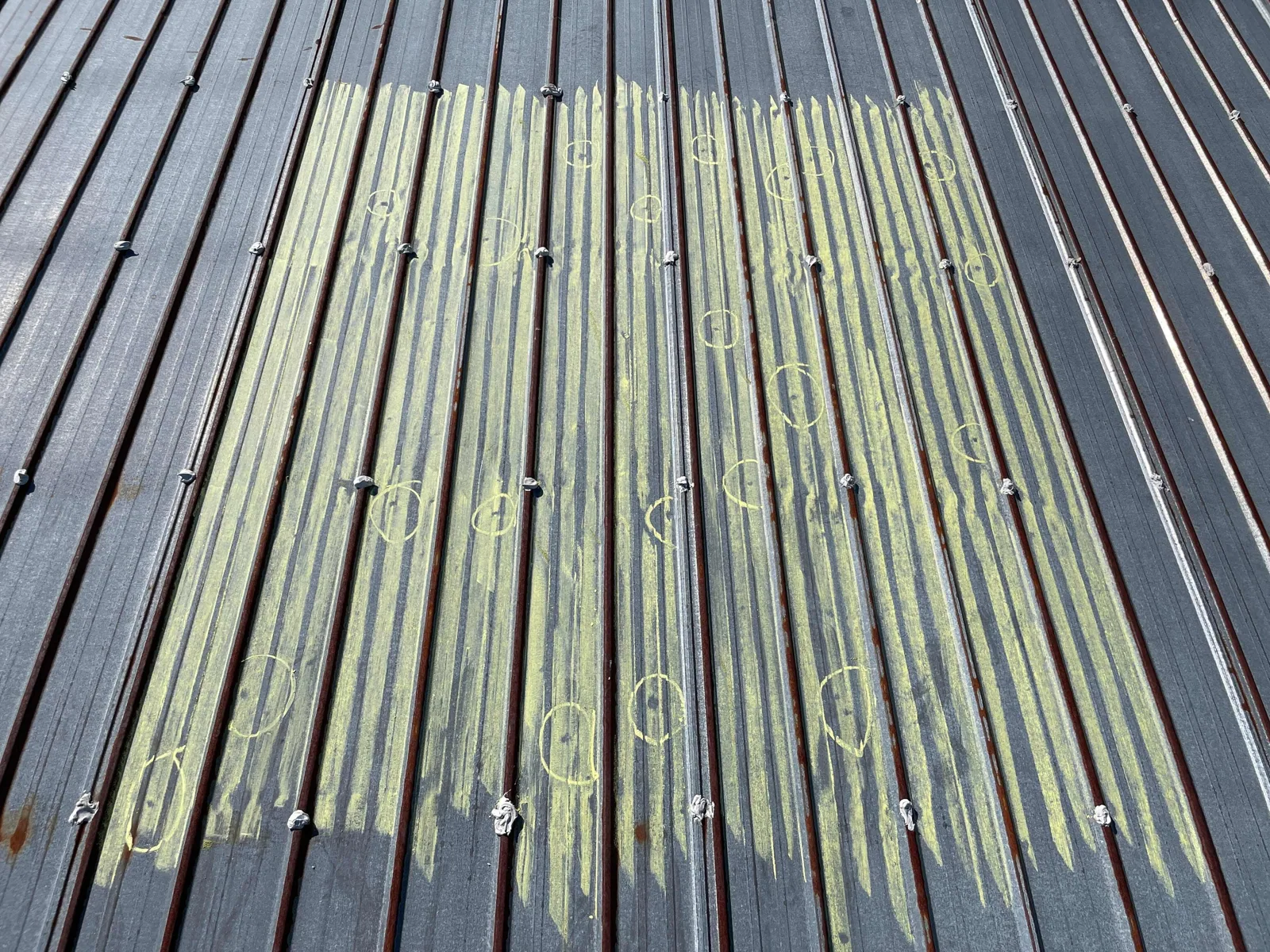
An adjuster request that arrives before the next capital meeting calls for a usable roof record. We inspect the affected areas, photograph visible conditions and prepare a repair scope tied to each roof zone. The National Weather Service documented roof damage after one to two inch hail crossed Thornton and Northglenn on May 30, 2024. That report helps establish the weather context, but it does not prove what happened to a particular property or determine coverage. We keep observed damage, testing needs and policy questions separate in the file.
Claim file: collect building-level evidence
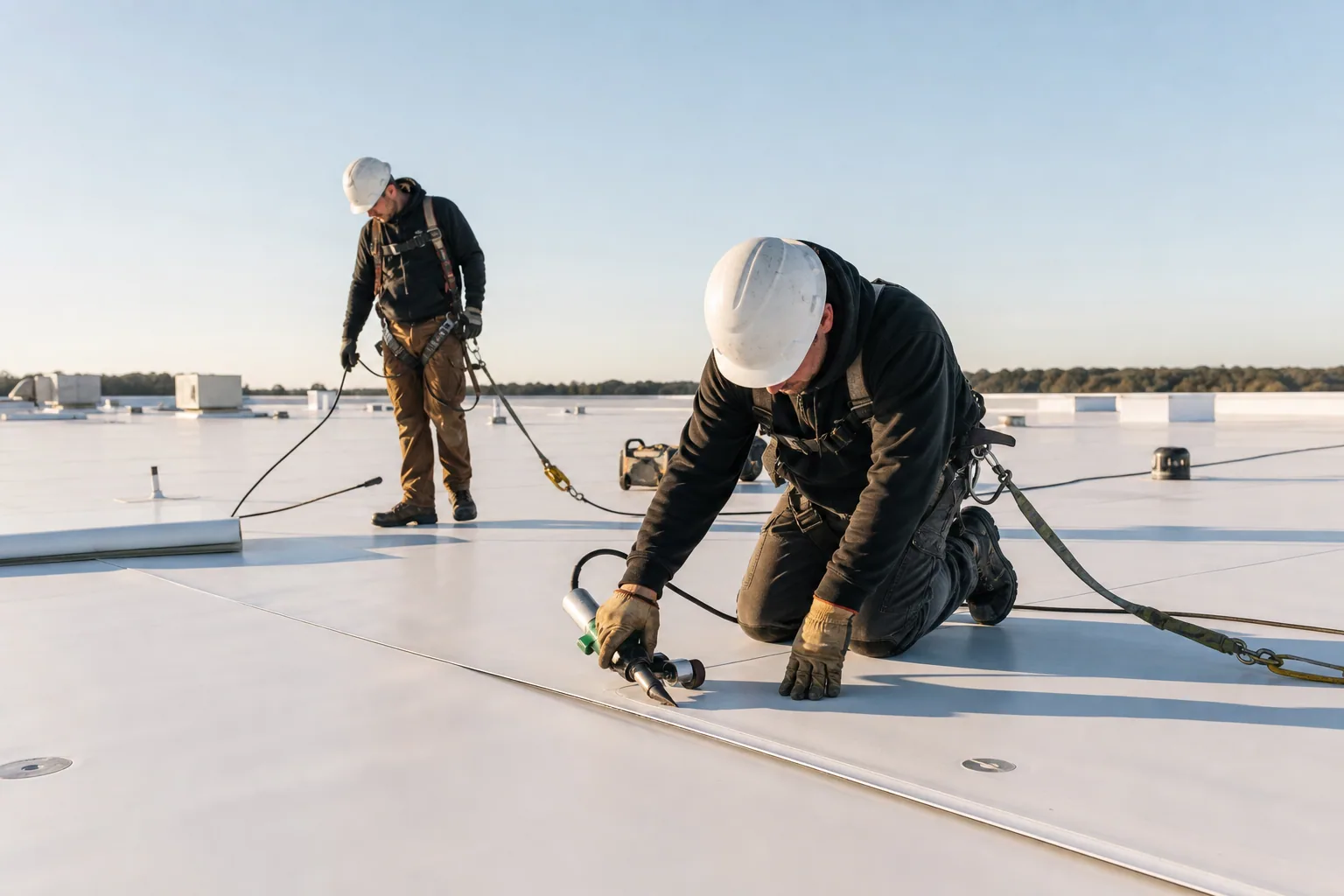
We begin with the address, roof plan, date of reported damage, interior leak locations and available repair history. The inspection record identifies the areas accessed, the surface and details reviewed, photographs, active water entry and limitations. If a section could not be inspected safely, we state that. If the roof assembly is not confirmed, we note that before describing a material-specific repair.
Thornton’s Market at 88th redevelopment is planned at Washington Street and 88th Avenue. For a claim at an occupied retail property, we confirm current tenant access, roof boundaries and service records before inspection. Each file stays tied to the address, building, event date and roof zones reviewed.
Inspection notes: distinguish damage from condition
Our notes describe what is visible: membrane openings, hail marks, displaced edge details, loose flashing, punctures, water staining or wet insulation confirmed by a test. We identify where evidence is conclusive and where it remains uncertain. A surface mark does not establish concealed moisture. A stain does not establish the roof entry point. If additional testing could change the repair boundary, we identify the method and location before including that work.
Adams County identifies tornadoes as a local hazard, and NWS records show hail and severe weather in the Thornton region. Weather context can help organize a timeline; it does not establish the cause of every observed defect. We compare the property condition with the event date and any prior repair record. A hands-on inspection or moisture survey can document questions that need field verification.
Repair estimate: define included work
A repair scope lists each location, preparation, materials, removal boundary, temporary protection and closeout record. If the deck or insulation cannot be seen until opened, we identify that as a concealed condition and describe how it would be documented. The estimate distinguishes emergency dry-in from permanent repair. It also notes unrelated maintenance items separately so the claim file does not mix storm response with work outside the damage review.
At a logistics site in Thornton’s I-25 and E-470 corridor, equipment, loading access and work phasing may affect cost and timing. Crossroads 25 is a named industrial development at that junction, while individual tenant conditions still require inspection. We coordinate the actual property’s access and roof details. If the observed damage is limited, a targeted repair proposal may be appropriate. Broader damage can require a replacement comparison.
Review sequence: keep decisions moving
We can organize photos, scope versions, inspection dates and open questions into a file that facility staff can share with the insurer or adjuster. The owner controls submission and claim decisions. We can answer technical questions about the observed roof assembly and repair method, but coverage, deductible and approval remain policy matters. If the adjuster requests a revised estimate, we show what changed and why, keeping prior observations available for comparison.
Tenant schedules and building operations shape when follow-up access is possible. Thornton’s North Washington Commerce Center includes a fulfillment building with dock and service-door access. At the property under review, we confirm the delivery schedule, roof route and person who can release access before arranging a follow-up visit. For urgent water entry, the first response can proceed while claim coordination continues.
Weather timeline: preserve the work window
The Thornton area has documented hail exposure, while Denver climate normals and metro storm summaries provide winter context. The forecast and actual roof condition determine when repairs can be installed. A wet substrate, snow or low temperature may delay permanent materials. We note the temporary protection, expected return window and any conditions that need monitoring in the meantime.
The May 2024 hail event crossed Thornton and Northglenn, but a current survey still needs to identify the building and roof zones reviewed. If several facilities were exposed, we list each address, inspection status and open question separately. This prevents a portfolio-level storm event from becoming an undifferentiated repair request. Condition reporting and multi-site coordination can keep the file organized as more buildings are reviewed.
Next action: close the evidence gaps
Before submission, the file should show the property, event date, inspection scope, photos, observed conditions, repair estimate and limits. We can identify missing roof plans, inaccessible sections or tests that would clarify the boundary. If the roof’s remaining serviceability is a capital question, we can review repair frequency and condition after urgent damage is addressed. Claim documentation should remain useful for maintenance and future budgeting as well.
Send the insurer’s request, property list, event date, roof plan, leak records, access calendar and any active interior exposure. We will inspect, organize the findings and prepare a repair scope. The record will state what is known, what needs confirmation and which work remains a separate owner decision.
Commercial Roofing Questions
Can you tell us whether the insurer will approve the repair?
We can document roof conditions and prepare a technical repair scope, but approval depends on the policy and insurer’s review. We keep observed damage separate from coverage questions. If more evidence is requested, we can identify the inspection, photo or test that would address that request.
What documents should we gather before the inspection?
Collect the claim number if available, event date, roof plan, leak log, prior repair records, interior photos and access instructions. Note which buildings and roof zones may be involved. Those records help us compare current observations with earlier work and keep the inspection tied to the correct property.
Can we make temporary repairs before the adjuster arrives?
Immediate protection may be necessary to limit further water entry. We document the condition before and after temporary work when access is safe, and we label the measure as temporary. Keep invoices, dates and photos. Permanent work can then follow a defined scope and any policy requirements supplied by the owner.
Does the May 2024 hail report establish damage at our Thornton property?
No. The report documents a storm path that crossed Thornton and Northglenn and includes roof damage, but it does not inspect each building. We review the address, roof surfaces, interior conditions and repair history. Any suspected concealed moisture or uncertain cause is listed for additional testing or review.
How do you keep maintenance items out of the storm repair scope?
We list observed storm conditions separately from unrelated wear, routine maintenance and preexisting repairs. Photos identify the location, and the scope states the work included. If a condition may have more than one cause, we identify the evidence and avoid assigning it to the event without support.
Put the roof evidence into a clear claim file
Share the insurer request, property list, event date, roof plans, leak records, access calendar and active exposures. We will document conditions by zone and prepare a scope with clear boundaries.
Call 555-555-5555 or send the form and we will set up a visit.