
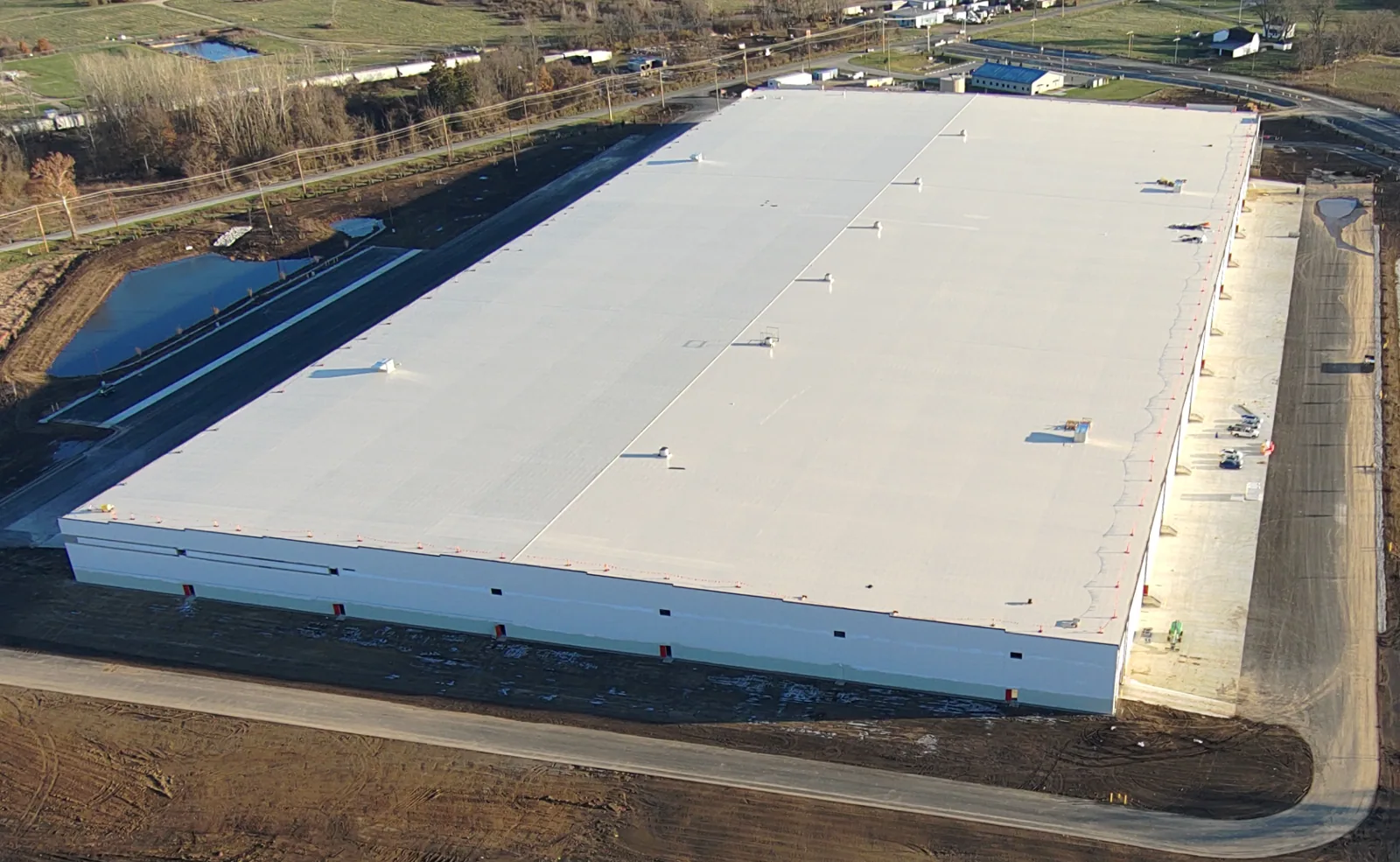
Commercial Roof Drains and Scuppers in Thornton, CO
Clear and repair roof drains, scuppers and crickets in Thornton. Correct drainage details, document ponding areas and plan follow-up work by roof zone.
Standing water after a clear day puts the drainage path on the repair list. We inspect drains, scuppers, strainers, overflow routes and low areas to find whether debris, detail failure or roof geometry is slowing runoff. In Thornton, winter snow and freeze-thaw conditions can make outlets harder to access, while hail and heavy rain can move debris across the surface. Regional climate records inform the maintenance calendar. The building’s slope, drain condition and observed ponding determine the corrective scope.
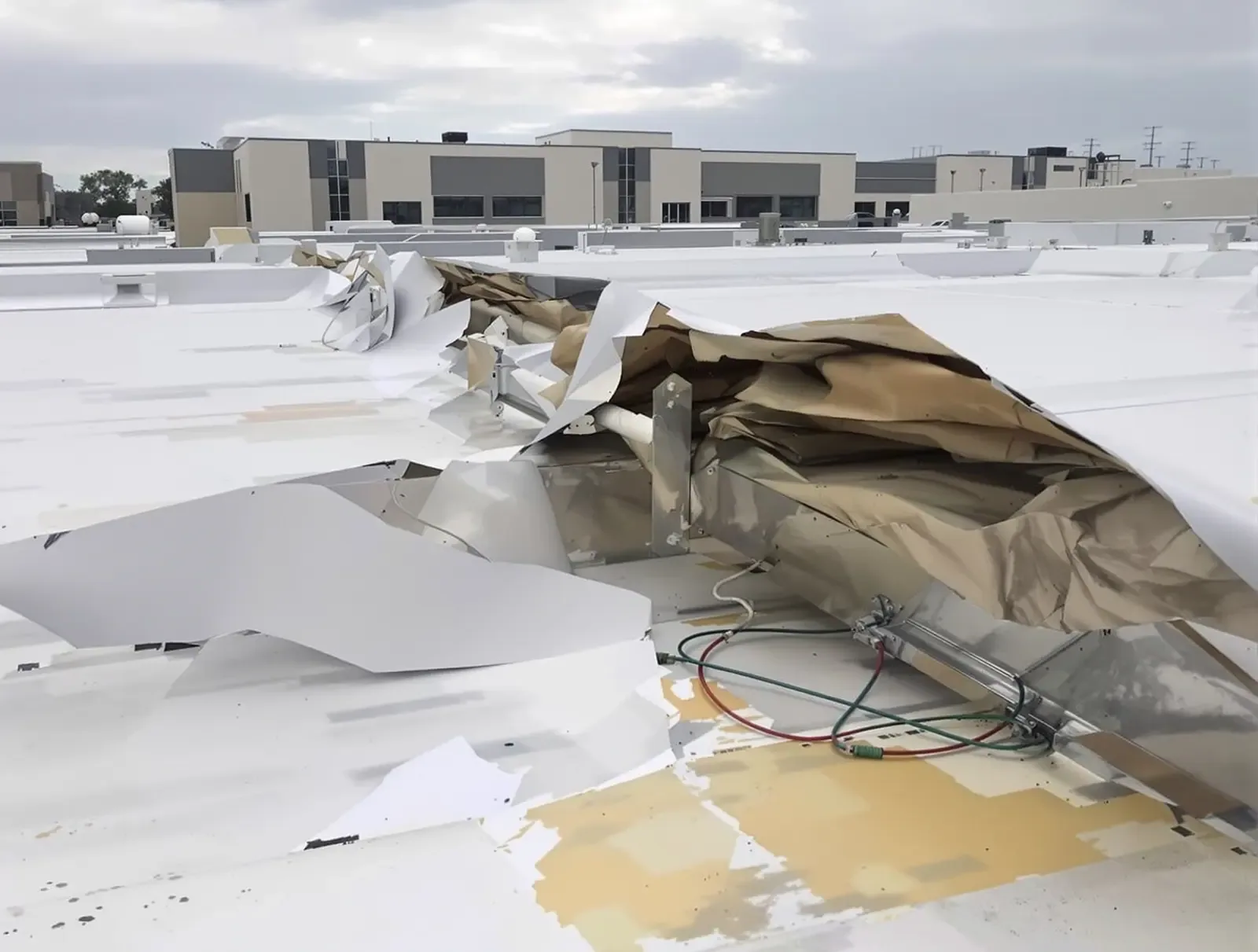
Drainage map: follow water to each outlet
We locate every drain and scupper, trace the low points and check whether the surrounding membrane directs water toward an open outlet. A blocked strainer may need cleaning. A loose clamp ring, deteriorated flashing or separated connection needs repair. We inspect overflow drains and scuppers as well as the primary path, because each route serves a different role. The map notes areas where water remains after ordinary drainage time and whether the pattern changes after cleaning.
At 25 Commerce Park, the business park serves warehouse, distribution, showroom, flex and manufacturing users. That mix can mean different rooftop equipment and access restrictions among buildings, so we confirm the property layout before setting drain work. The place’s I-25 and E-470 access does not determine its roof geometry. We review each roof plan, outlet location and maintenance record before grouping work or identifying a low area for correction.
Drain detail: restore the connection
A drain repair may involve the bowl, clamp ring, membrane flashing, seal, strainer or connection below the roof. We remove debris, inspect the surrounding membrane and confirm that the drain throat is open. If the membrane has pulled away or cracked around the bowl, we prepare and restore that detail with compatible materials. A new seal at the rim cannot correct a damaged drain body or an obstruction farther down the line. We note the boundary of roof work and any plumbing review that remains.
Scuppers need an open path through the parapet, sound flashing at the opening and an outlet that discharges as intended. We check for blocked openings, loose metal and water marks at the wall below. If a scupper is too high to control the ponding area, the scope may require a design review rather than a simple cleanout. Our edge and gutter work can address connected details, while ponding-water correction covers low areas that need more than outlet service.
Low areas: decide whether a cricket is needed
A roof cricket redirects water around an obstruction or toward a drain. We evaluate the roof’s existing slope, curb locations, structural movement, insulation and outlet height before recommending one. A cricket cannot correct every ponding condition, especially when the deck is low or drainage is restricted elsewhere. We map the water path and identify whether tapered insulation, a drain relocation or another correction is needed. The scope shows transitions and tie-ins so the new slope connects to the existing assembly.
We also distinguish temporary ponding after a storm from a recurring low area. The May 2024 hailstorm crossed Thornton and Northglenn; a later debris load can create a drainage issue, but the event does not explain every persistent pool. We inspect the roof and note duration, surface condition and interior symptoms. If water remains after outlets are clear, the facility team can compare a cricket or tapered system with monitoring, repair or replacement planning.
Winter access: clear before snow closes the route
Denver monthly normals list 6.5 inches of snow for January and 7.8 for February. Those values are regional reference points, not a measurement at a Thornton property. We schedule outlet checks before winter and confirm roof access against the current forecast and site conditions. Snow and ice can block drains, hide strainers and make travel unsafe. We do not send staff onto an unsafe surface simply to complete a calendar task.
Before the cold season, we can check outlets, remove accessible debris, inspect overflow details and photograph any area that needs repair. After a storm, a follow-up may be appropriate if the roof retains water or interior leaks appear. The report identifies which drains were accessible, what was cleared and what remains obstructed. For buildings with active use, we coordinate ladder access, loading areas and tenant hours before arrival.
Scope and cost: separate cleaning from correction
Routine clearing differs from drain repair or slope correction. Cost depends on outlet count, roof height, access, debris, membrane repair, plumbing coordination and the amount of tapered insulation or cricket work required. We list cleaning separately from corrective construction. If deck or drain components remain hidden, the scope identifies the condition that could add work after opening. That lets the owner compare proposals without treating a cleanout as a drainage redesign.
Northglenn Marketplace sits between East 104th Avenue and I-25 and includes attached and stand-alone commercial structures. Its range of tenant spaces is a reason to plan access by building, not assume one roof layout. We can record outlets and low areas across a retail property, then rank repairs by active leakage and remaining capacity. If a leak is present, leak response can protect the interior while the permanent drainage scope is developed.
Closeout: confirm the water route
After work, we record which outlets were cleared or repaired, what materials were used and whether ponding remained during the review. Photos show the outlet and surrounding field. If further observation is needed after rain, we state the check date and access requirements. A drainage record can support maintenance and help identify recurring blockage or a low area before it becomes a larger repair.
Send the roof plan, leak locations, photos of ponding, access calendar and any drain service records. We will map the drainage path, check the outlet details and separate cleaning from repair. For a portfolio, roof condition reporting can keep each drain and scupper finding tied to the correct address and roof zone.
Commercial Roofing Questions
How can we tell whether ponding comes from a blocked drain or a low roof area?
We check the strainer, drain bowl, scupper, overflow route and surrounding slope. If cleaning restores flow and the water clears, the obstruction may have been the cause. Persistent water after outlets are open points toward geometry, insulation or deck conditions. We document the pattern and recommend a slope correction only after tracing the drainage path.
Can you add a cricket around rooftop equipment?
A cricket may redirect water around a curb or equipment base when the existing slope and outlet layout support it. We verify curb height, insulation, drainage and connection details first. The scope shows the new slope and membrane tie-ins. If the deck or drain elevation controls the ponding, another design correction may be more appropriate.
Should we clear drains before snow arrives?
A pre-winter check can remove accessible debris and identify repairs before snow and ice limit roof access. Denver snowfall records provide regional context, but the safe work date depends on current weather and surface conditions. We report any outlet that could not be reached and set a return visit when conditions allow.
What happens if a drain is open but water still remains?
We map the low area and review the slope, insulation, deck, curb locations and outlet height. Depending on the condition, the next step may be monitoring, tapered insulation, a cricket or a broader repair. We state what the inspection confirms and what requires design or structural review.
Can a scupper repair stop water at the wall?
It can when the opening, flashing or outlet detail is the source and the surrounding roof can drain to it. We check for obstruction, loose metal and water marks, then inspect the membrane transition. If the scupper sits above the ponding area or downstream drainage is blocked, correcting only the visible opening will not resolve the full path.
Map the drainage route before choosing a fix
Send the roof plan, ponding photos, leak notes, access limits and drain service history. We will inspect outlets, scuppers and low areas, then define the work that restores drainage.
Call 555-555-5555 or send the form and we will set up a visit.