
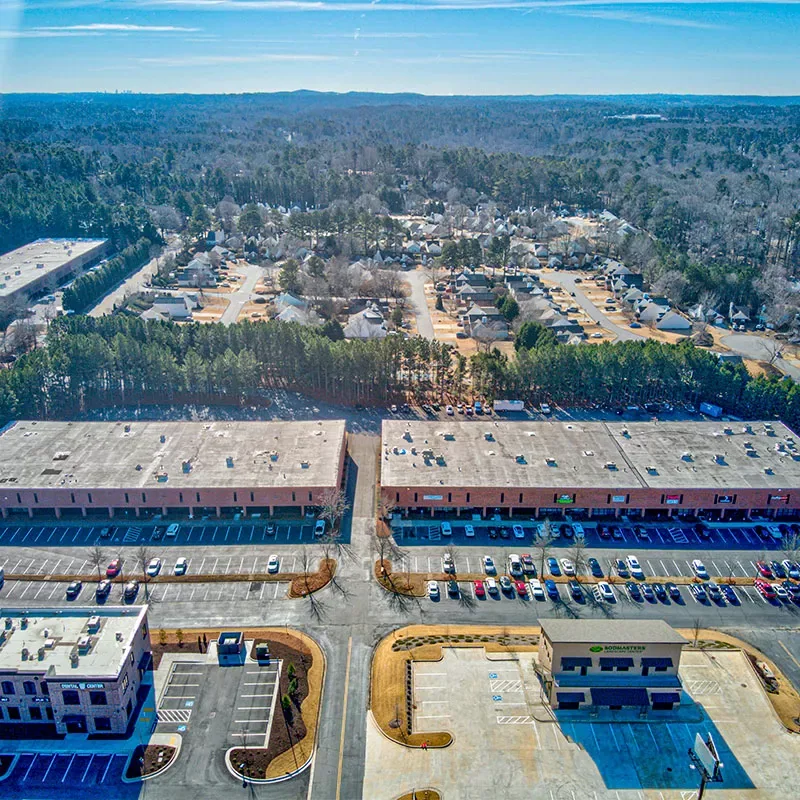
Multi-Site Commercial Roof Programs in Thornton, CO
Coordinate inspections, leak response, repair records and capital priorities across commercial buildings in Thornton and nearby locations.
One dispatch rule can span several properties and still leave each facility with a different roof decision. We set a common intake, inspection and closeout process, then keep findings specific to each building. The program shows who receives a leak call, how access is arranged and where repair records return. Owners get a portfolio view without losing the roof-zone detail needed for work.
Program design: set common fields and local exceptions
We agree on building identifiers, response contacts, required photos, access steps, reporting format and approval authority. Shared fields make service history easier to review across the portfolio. Local exceptions capture site security, tenant operations, loading rules, equipment access and required notice. The program does not assume every building has the same assembly, condition or maintenance schedule.
Thornton’s 25 North Business Park plans warehouse, distribution, showroom, flex, manufacturing and food-production uses. Washington Point in nearby Northglenn includes grocery, pet, service and dining tenants, with a reported traffic corridor along 120th Avenue. Those examples show different operating settings that can affect dispatch and roof access, not the condition of any particular roof. 25 North Business Park and Washington Point are local program references.
Intake path: route active leaks and planned work
A service call begins with the building, roof zone if known, contact, water report, access status and any safety restriction. We set a response priority from the reported condition, then confirm what inspection can establish. Active water entry may require temporary protection before a permanent quantity is known. The work order separates that action from follow-up testing, repair or replacement planning. We capture the time reported, interior area, weather context, contact who can grant access and any temporary measure already installed. The program can route after-hours calls to the designated decision maker, while planned inspections follow a separate calendar. A call is not closed until the site contact receives the next step and the record identifies who owns it.
For recurring service, each location keeps its own call history and open action. A building can need an immediate repair while another is waiting for a capital review. Emergency response can secure an opening, and planned repair work can be scheduled against a separate scope. Property-management teams can use the same contacts and approval path across sites.
Inspection cycle: compare conditions without flattening them
We can schedule recurring roof walks, post-event reviews or pre-budget inspections by location. Each report shows roof system where confirmed, condition, work history, access limit and test need. The comparison highlights common patterns but does not treat similar buildings as interchangeable. If one facility has a repeated drain issue and another has an edge concern, both stay visible as separate decisions.
A shared work calendar can reduce repeat travel, but the route depends on each site’s operating hours and release process. The access plan includes roof hatch location, key or escort needs, lift staging and interior notice. We also identify the property contact responsible for approving a roof opening and the person who confirms handback. These details can differ by location even when one regional team administers the program. A coordinated route should group nearby visits only when the building contacts have confirmed access and time windows. Condition reports keep findings with photos; asset management can index those records by building and roof zone.
Vendor coordination: control the handoff
One program lead should receive each request and confirm who can approve testing, temporary cover, repairs and scope changes. The property contact controls access and communicates any tenant restrictions. After work, the service provider returns photos, materials, inspection results and remaining actions to the agreed record location. If a repair leaves a temporary condition, the next check stays assigned.
When several contractors work across a portfolio, the record should identify the task and decision owner for each location. Procurement can group common materials or site visits only after verifying each roof’s quantities and system. A due-diligence survey can be added when a property acquisition changes the asset list. The handoff remains property-specific even when a common team administers the program.
Budget review: turn service history into a priority list
At the budget review, we summarize active risks, confirmed repairs, open tests, replacement considerations and deferred actions by site. A repair reserve is not combined with a replacement request. Each proposed project states its area, cost drivers, schedule assumptions and what could change after opening the roof. The owner can compare the next action across locations without assuming a shared roof condition.
Thornton’s Business Park district directs higher-intensity warehouse uses to selected parts of I-25 and E-470. A portfolio with properties near those routes may be able to coordinate deliveries, but access and operating rules still control individual schedules. Capital planning can align repair and replacement timing with the owner’s funding windows. We update priorities when a leak or test result changes the evidence. At review, the owner can sort items by urgent protection, defined repair, testing, capital renewal or monitoring. Each category has a named action and due date. We retain the basis for a changed ranking so the finance team can see whether the shift followed a new leak, test result, access change or permit comment.
Closeout: keep the program current after each visit
Each completed visit updates the property file with date, roof areas, findings, repairs and follow-up. The program summary identifies overdue actions and missing records without replacing the detailed inspection. If a building changes manager, the current contact path and access rules transfer with its history. That avoids restarting the intake process each time a service call moves to a new person.
Send the property list, operating contacts, service tickets, access rules, roof records and capital dates. We will set the intake and inspection process, then return a building-by-building priority list with open actions assigned by each building.
Commercial Roofing Questions
What belongs in a multi-site roofing program?
Set building identifiers, intake contacts, access rules, photo and report requirements, approval roles and a closeout path. Keep system and condition decisions specific to each property.
Can one maintenance schedule work for every building?
A common calendar can organize visits, but inspection timing should reflect roof condition, use, access and open work. We retain those differences in the site-level record.
How should an active leak move through the program?
Route the call to a named contact, confirm access and reported impact, then decide whether temporary protection or inspection is first. Track the permanent repair separately until its scope is approved.
Can projects be bundled across multiple locations?
Visits or purchasing may be coordinated, but each roof needs its own quantities, materials, approval and close-in plan. Shared logistics do not combine condition findings.
How do we carry open repairs into a new budget year?
Assign each item an owner, next inspection date and condition that would change its timing. The portfolio summary should preserve that action alongside the property record.
Set one process for the portfolio and clear records by site
Send property addresses, contacts, access rules, service history and capital dates. We will organize intake, inspection and follow-up across the buildings.
Call 555-555-5555 or send the form and we will set up a visit.