Commercial Roof Warranty Management in Thornton, CO
Organize roof warranty documents, service requirements, repairs and deadlines for commercial properties and facilities in Thornton, Colorado.
A warranty file is difficult to use when the document, roof area and repair history sit in separate folders. We organize the available terms, service records, inspection findings and open actions by building. The record identifies what the document requires and when a facility should act. It does not promise coverage or replace the manufacturer’s written decision on a claim.
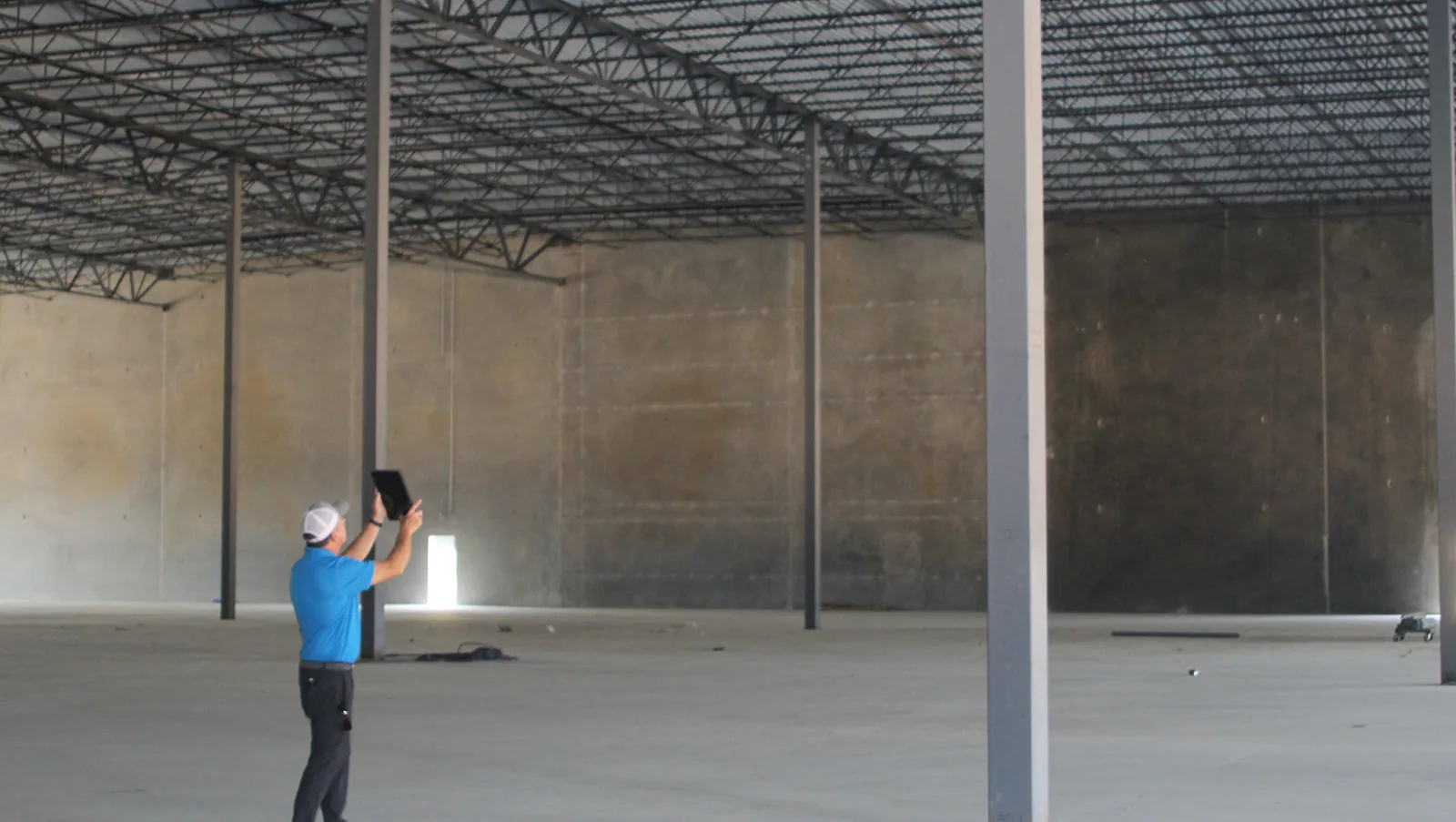
Document map: tie each term to the roof system
We collect the available warranty document, approved assembly information, product data, closeout materials, repair tickets and inspection logs. The file should identify the issuing party, system, covered property, roof area, effective date and stated requirements. If the document or schedule is missing, we list the gap and the record needed to resolve it. We do not infer a warranty term from a membrane label or an old invoice.
At North Washington Commerce Center, the project listing notes more than one I-25 access point and a pedestrian connection with Eastlake Station. North Valley Tech Center is another named South Thornton employment site. These local place facts help facilities teams identify which property file they are reviewing; they do not establish warranty status or roof materials. North Washington Commerce Center and North Valley Tech Center are separate asset references.
Requirement calendar: surface the next required action
Warranty documents may specify inspection, maintenance, notice, repair-material or reporting steps. We extract only the obligations stated in the document and assign a due date or responsible role when the terms support it. The calendar can flag a service interval, a notice deadline or a document renewal, but the owner should retain the original and confirm any ambiguous clause with the issuing party. We assign the internal contact who receives reminders and identify the record needed to close each task. A completed visit should return its date, roof area, observations and any repair recommendation. If an inspection was limited, the file should show what remains open rather than marking the obligation complete without context.
When a leak or damage report arrives, the file records the date, affected zone, temporary protection, photos, notification and repair authorization. A prompt condition record can preserve the facts needed for review. Dated roof reports keep inspection details together, while claim documentation can organize observed conditions without determining warranty or insurance coverage.
Repair screen: check materials before work starts
Before repair, we identify the existing system and review the document for stated repair procedures or material restrictions. A patch that is incompatible with the membrane or applied over an unprepared surface may complicate future service. We document the repair method, product information, location, installer record and any inspection required before the area is closed. If the document names an approval step, we identify it before work begins. The work order should reference the applicable clause or instruction and preserve the manufacturer contact response with the repair record. Where a repair uses a different assembly material, we document why and what review remains, instead of assuming that a familiar product is acceptable for every system.
Roof systems differ. TPO, PVC, EPDM, modified bitumen and coating assemblies each require materials and preparation that fit the actual substrate. Carlisle system records and GAF product documents can be organized with property files when those manufacturers’ materials are present. The name alone does not establish the installed assembly or a current warranty. We verify the roof and retain the supporting paperwork.
Site operations: preserve access and service history
Maintenance may require roof access, drain clearing, equipment work or an interior response. We keep the service date, roof zone, photos, materials and remaining action together. If a tenant or facility team reports a condition, the record identifies who received the notice and when. That history helps the owner compare a later issue with prior maintenance instead of relying on an unlocated invoice.
North Washington’s industrial activity and Eastlake’s transit-oriented district have different access patterns. A property near an active loading route may need a different inspection window from a site with a compact street frontage. Those plans do not set warranty obligations. We confirm each property’s actual access rules, then schedule the required inspection without disrupting operations where practical.
Replacement record: carry documents into the next assembly
When a roof is replaced, the closeout package should identify what was removed, what assembly was installed, product data, inspection results and final roof-zone boundaries. Keep the approved submittals, change approvals and testing with the warranty documents. For a permitted replacement, the city’s adopted building and existing-building code editions apply to covered work. Its updated energy provisions became effective July 1, 2026. We confirm the requirements for the actual scope before the new file is set.
Replacement closeout can be matched with the building asset record. If a roof condition changes, capital planning can retain the warranty action and renewal decision as separate items.
File review: identify gaps before the next call
A usable warranty file shows the document, installed system, roof area, contact path, service history and next obligation. Missing items should be listed plainly: no executed document, unclear schedule, incomplete closeout or a repair without product detail. We identify a practical next step, such as requesting the original document, confirming the installed material or arranging an inspection. This keeps an urgent call from becoming a search through unrelated property records. A portfolio manager can review the list before a leak response, renewal bid or ownership handoff. When two documents refer to different roof sections, we keep both designations and show their relationship on the property index. We also separate administrative deadlines from physical roof conditions, so a current leak is not buried beneath a routine document reminder.
Send the documents, building list, repair invoices, inspection photos, leak reports and access contacts. We will arrange the material by property, flag stated requirements and identify the records still needed for review.
Commercial Roofing Questions
What should be in a commercial roof warranty file?
Keep the executed document, covered roof area, system and product records, closeout details, service requirements, repair history and contact path. Identify missing terms rather than filling them from assumptions.
Can a contractor confirm that a manufacturer will honor a claim?
No. We can document roof conditions and organize required records. The manufacturer or issuing party decides coverage under its written terms.
Should a roof be inspected before warranty repair?
The document may set inspection or notice requirements. We review its stated process, record the current condition and identify any approval step before opening or repairing the assembly.
What if the installed membrane is not listed in the file?
We inspect the assembly and compare available invoices, submittals and closeout records. If identity remains uncertain, we document the gap and avoid assigning a warranty term to an unconfirmed system.
How do repairs affect warranty records?
Record the date, roof zone, materials, method, photos and any required inspection. Keep manufacturer or owner approvals with the work record and retain open conditions for follow-up.
Bring roof documents and repair history together
Share available warranty papers, roof plans, service invoices, inspection photos, leak reports and contacts. We will organize requirements and identify missing records by property.
Call 555-555-5555 or send the form and we will set up a visit.