
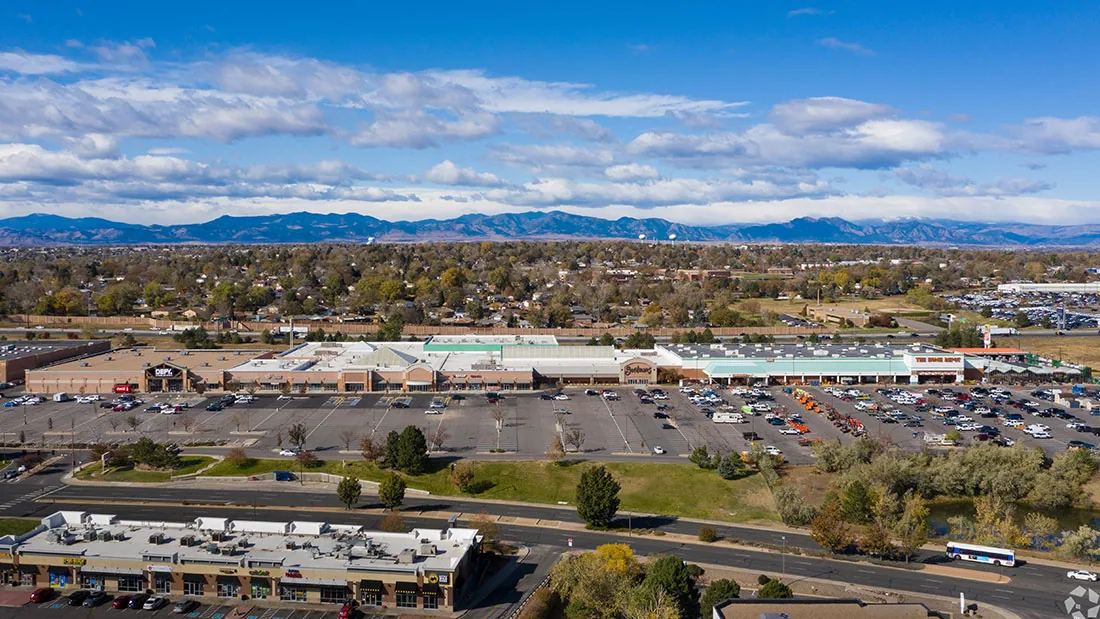
Commercial Roofing at Washington Point, Northglenn, CO
Plan roof inspection and repair at Washington Point in Northglenn, CO, with scope coordinated to its grocery, retail, service tenants and access routes.
Safeway, Petco, a swim school, dental office and restaurants appear on the Washington Point tenant roster. For roof work, each use can bring a different operating schedule, delivery window or interior protection concern. We confirm which tenant occupies the affected space, who controls the roof and which common areas must remain open. The condition record then ties the leak or repair to the inspected roof zone rather than to the center’s tenant list.
Washington Point is a Northglenn retail center near I-25. Its property manager reports about 46,658 daily vehicles on nearby 120th Avenue east of Washington. That figure describes the corridor, not a count at an entrance or loading area. We confirm actual access, lift placement and staging with the center contact before scheduling an inspection or repair.
Tenant operations: set the work area against the calendar
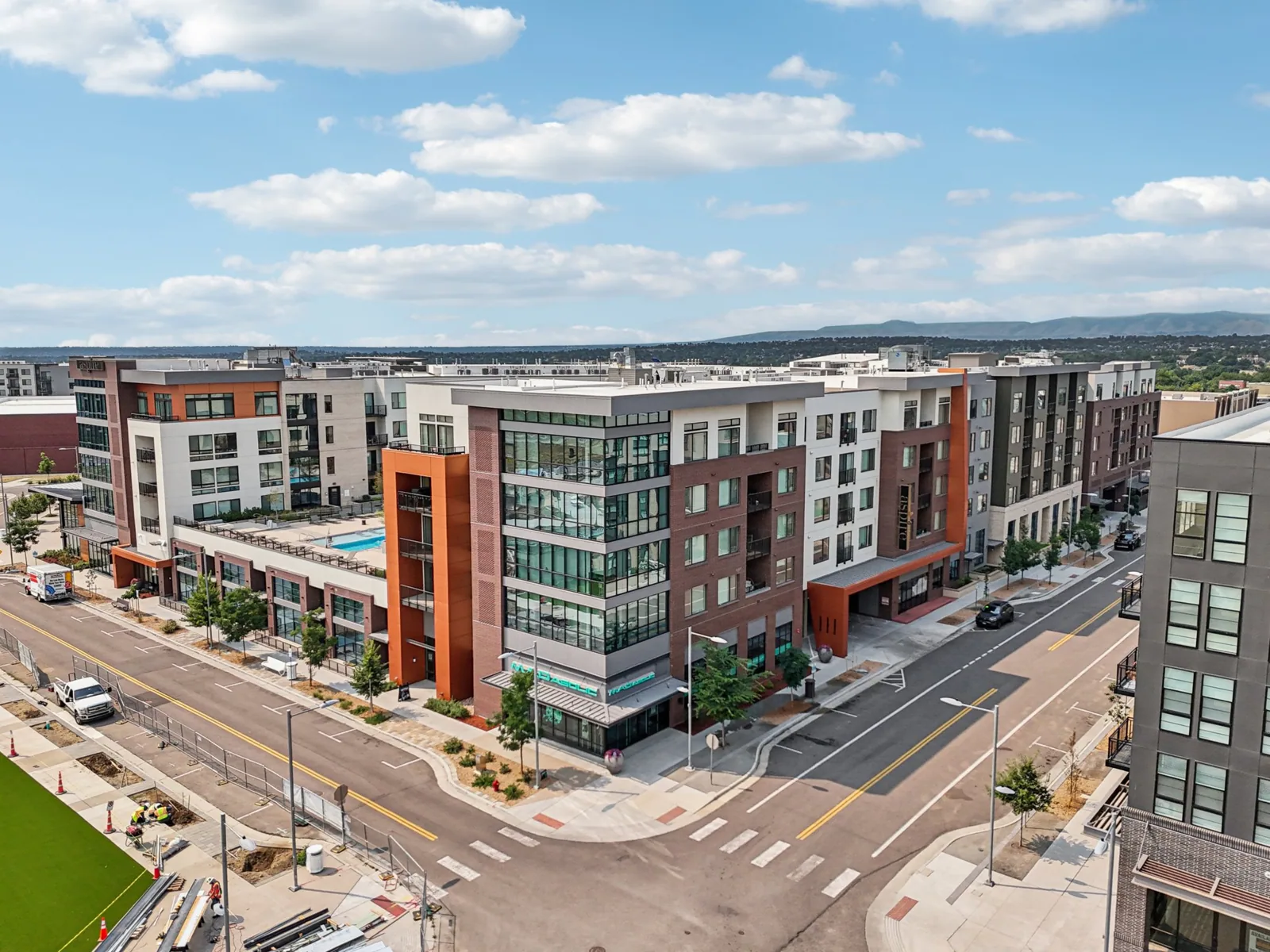
A grocery tenant, pet retailer, swim school, dental practice and restaurant do not share one operating day. We request the current tenant contact, business hours, delivery schedule, restricted rooms and any equipment that cannot be interrupted. The plan identifies which doors or routes are affected, how pedestrian access is protected and when the area returns to service. If a lease line does not match the roof boundary, we confirm who approves the shared section.
Northglenn Marketplace is a larger retail center between Melody Drive and I-25, with attached and stand-alone structures and varied tenant-space sizes. That mix of building forms presents a different coordination task from Washington Point. The Irma/Leroy Industrial Park is another Northglenn business area, with industrial zoning context rather than this retail tenant mix.
Before work, we document hatch or ladder access, roof routes, curb and equipment locations, staging, lift rules and any public barrier requirements. Occupied-building sequencing can define notices, daily boundaries and close-in responsibilities while tenants continue operations.
Leak trace: follow the path above the affected use
Water appearing in a dental room, food-service area or retail aisle can enter at a roof penetration, wall transition, seam or drain some distance away. We locate the interior report on a plan and inspect the corresponding roof area and nearby details. Photos show where the material changes and where water could travel. If that visual review does not establish a source, we define the sample, scan or follow-up observation that could narrow the repair boundary.
Drainage deserves its own check. We note the visible inlet condition, standing water, debris, seam condition and discharge path. A single visit cannot show how every roof performs through a storm cycle. When a recurring report points to ponding, a follow-up or controlled flow check can determine whether the problem is at the drain, slope or membrane detail. Drain and scupper repairs can be scoped to the confirmed defect.
The May 30, 2024 NWS report records hail and roof effects along a storm track through Thornton and Northglenn. A reported exposure can move an inspection up the calendar, but the record does not establish damage at Washington Point. We examine the actual roof and distinguish visible impacts from questions that need testing. Hail-damage review can preserve the findings by section for ownership.
Capital choice: repair a boundary or budget for renewal
A repair can address one puncture, failed flashing or open seam when adjacent material remains stable. We photograph the edge of the defect, identify the compatible repair detail and note conditions that were not exposed. If separate tenant calls point to the same roof zone, the report compares them rather than counting each as a separate roof failure. Widespread moisture, repeated leakage or degraded attachment may shift the choice toward testing and replacement.
The estimate reflects inspected area, tear-off depth, insulation and deck condition, penetrations, drains, perimeter work, staging and tenant protection. Lift access and barriers near the retail center can affect the sequence. We separate measured quantities from allowances, then state how concealed conditions are handled. A defined repair scope can protect an active area while larger work is planned. Replacement planning sets the removal limit and new assembly details when field evidence supports renewal.
A summer work window still depends on current surface temperature, forecast and material requirements. We check those conditions at the property instead of turning a regional weather pattern into a site reading.
Weather and permits: keep assumptions attached to the scope
County emergency planning marks mid-May through mid-August as the Front Range's principal tornado period. A roof plan names the person who receives alerts, the crew’s route off the roof and who may pause a lift. Seasonal readiness does not replace a shift forecast. Before opening a section, we confirm the weather window, material limits and the amount that can be protected before the crew leaves.
Permit requirements depend on the jurisdiction and the exact work scope. We confirm which authority reviews the address, whether assembly or insulation changes fall within the filing, and the applicable dates before carrying code assumptions into the estimate. This keeps the roofing scope tied to the rules for the property rather than a nearby city.
Work that crosses a tenant boundary requires a named decision maker and an agreed close-in point. We record any weather delay, route change or inaccessible area and revise the next work window with management. That keeps the schedule legible for tenants whose deliveries or appointments continue below.
Condition record: keep tenant reports attached to roof zones
Closeout names the roof area inspected, interior report that prompted the visit, visible condition, photographs, repair materials and any test boundary. We note whether the leak stopped, whether monitoring remains and which contact owns the next action. If a tenant moves or changes its hours, the property record retains the roof detail and access limits for the next manager.
Washington Point’s tenant roster differs from Northglenn Marketplace’s collection of attached and stand-alone commercial structures. The corridor vehicle figure also belongs to nearby 120th Avenue, not to a particular roof. Those distinctions keep an asset file tied to evidence instead of assumptions. A dated inspection and condition report can retain the observation history for future repair or capital review.
Send the tenant contact list, address, roof plan, delivery hours, leak tickets, access rules and decision date. We will identify which roof zones need immediate attention, what needs confirmation and which work can be scheduled around the operating calendar.
Commercial Roofing Questions
Does the traffic figure describe Washington Point’s parking or entrance volume?
It is reported for nearby 120th Avenue east of Washington. We confirm the center’s actual entrance, delivery route and lift position with property management before planning roof access.
How do you coordinate work across different tenant types?
We use the live tenant calendar, restricted areas, deliveries and equipment schedule to divide the roof work. The access plan names the approving contact and when each affected area returns to service.
Can one leak report identify the repair location?
The report gives a starting point. We trace it to the roof above, inspect nearby seams, penetrations, drains and transitions, then define further testing if the entry path remains uncertain.
Should hail reports change the inspection priority?
A reported exposure can justify moving a review forward. The NWS event record is regional; our inspection establishes visible conditions at Washington Point and notes areas requiring confirmation.
What information supports a retail roof budget?
Provide current roof plans, known repairs, tenant hours, access restrictions and leak locations. We measure affected areas and state how staging, protection and concealed conditions influence the scope.
Schedule roof work around Washington Point tenants
Share the tenant roster, access calendar, leak history, roof plans and capital date. We will inspect the defined sections and return a work sequence with confirmed costs and open items separated.
Call 555-555-5555 or send the form and we will set up a visit.