
Commercial Fire Damage Roof Repair in Thornton, CO
Assess fire, heat and smoke effects on commercial roofing, document openings and coordinate a safe repair scope in Thornton, Colorado.
A fire can leave the roof deck, insulation and membrane with different levels of damage. We inspect the exterior after the site is released for roof access, document affected zones and identify openings that need temporary protection. Smoke residue alone does not define the repair area. The scope separates visible roofing damage from conditions that need testing, engineering or a separate building trade.
Access release: begin after the site is safe
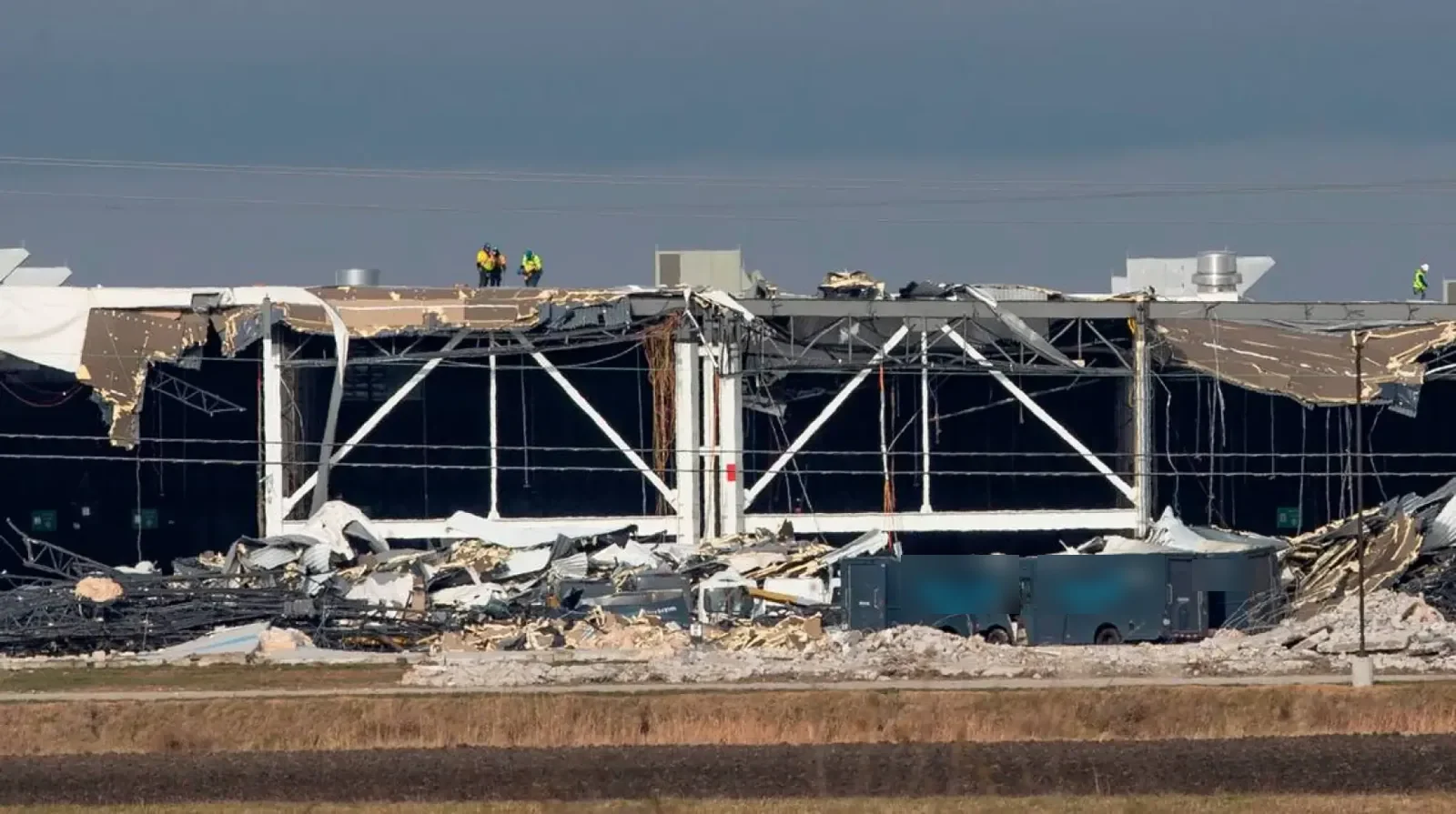
Roof inspection follows the incident lead’s access direction. We confirm which areas are released, whether debris or unstable materials remain and how crews can reach the roof without crossing restricted space. The first record includes the affected building, observed opening, weather exposure and any temporary cover already in place. We keep the release time and approved route in the work log. If structural stability or hazardous residue needs review, the appropriate specialist clears that work before roofing proceeds.
Thornton identifies North Valley Tech Center as a major South Thornton economic generator and places its planned healthcare district near North Suburban Medical Center. Those operating contexts make emergency routes and access authority central to a fire-restoration sequence. At a facility near the South Thornton Healthcare District or North Valley Tech Center, the site lead confirms which roof areas crews can reach and when.
Damage map: inspect every layer around the opening
Heat may soften or distort membrane, blister coating, damage metal or affect adhesives. Fire crews may also cut the roof or remove materials to reach a concealed area. We document those openings and inspect nearby flashing, seams, insulation and deck where access permits. Photographs distinguish direct burn or heat effects from prior repairs and unrelated aging. If materials are hidden beneath residue or temporary cover, the report states what could not be seen.
Interior reports help locate the review area. We compare water entry, smoke paths and ceiling openings with the roof plan, then identify whether moisture testing or a test cut is needed. A stain is not a measure of fire impact. Puncture repair can restore a separate cut or opening, while wind damage is recorded independently if the event also affected perimeter details.
Temporary cover: control exposure while scope is reviewed
An exposed deck needs a weather plan before permanent quantities are known. We define the protected area, attachment method, inspection interval and person responsible for access. Temporary cover must account for wind, runoff and edges around mechanical equipment. The incident team and building contact receive the limits of that measure, including whether interior operations remain restricted.
If a fire opening intersects ductwork, rooftop units, electrical equipment or penetrations, the repair sequence coordinates with the trades responsible for those systems. We do not cover a connection until its condition and required inspection are resolved. An after-hours response can secure an opening while the full roof assessment is scheduled. For an occupied facility, the access plan identifies rooms below, restricted corridors and equipment that must remain available. A temporary cover inspection should be logged after weather changes. If the site lead limits roof access, we document the area not inspected and reschedule after release rather than marking it as clear. Emergency roof protection can be scoped separately from permanent restoration.
Assembly review: confirm what can remain
After access is cleared, we assess membrane, insulation, cover board, deck, attachment and perimeter details. Heat or water may affect materials beyond the charred area. A test opening can show layer condition and define removal limits; it needs approval and a planned restoration detail. We identify each observed layer, test result and remaining uncertainty rather than assigning the full roof to demolition by default.
Thornton uses its current 2024 building and existing-building codes for covered permit applications. Energy provisions effective July 1, 2026 may also matter when a permitted replacement changes the assembly. We confirm which review applies to the actual scope. A roof inspection records accessible conditions; replacement planning can compare retained material with full removal when the evidence supports either choice.
Restoration sequence: coordinate the trades and close-in
The work order sets debris removal, opening preparation, deck review, insulation replacement, membrane installation, flashing restoration and inspection hold points. A fire-restoration contractor may be working inside while roofing occurs above. We agree on handoffs, equipment shutdowns, protected contents and the person who accepts each completed area. If hidden damage changes the quantity, the crew documents the finding before extending work.
For a permitted repair or assembly change, the owner should retain approved plans, inspection records and product information with the claim and restoration files. A dated condition record preserves the roof findings, and claim documentation can identify observed roof scope without deciding coverage. The final schedule should include cure or inspection time where the selected materials require it. Scope cost also depends on tear-off depth, substrate repair, temporary protection, debris handling, equipment coordination and the number of inspection hold points. We separate confirmed quantities from concealed-damage allowances. For a facility with restricted access, mobilization and material movement can change the sequence, so those assumptions belong in the proposal rather than an informal Diligence Notes.
Closeout: track open findings to final repair
Closeout lists roof areas opened, materials removed and replaced, test results, photographs, inspections and remaining actions. Facility staff can compare each item with the restoration schedule before approving the next release. It notes when temporary protection ended and who approved return to service. Any inaccessible area or unresolved moisture question remains visible with a follow-up owner. That record helps facility staff distinguish completed roofing from interior restoration or an electrical repair still in progress. Each open item should have a responsible trade, next action and target check date.
Send incident dates, site restrictions, roof plans, interior reports and emergency-work notes. We will return a roof-zone record and a sequence for protection, testing and permanent repair, with the responsible review points stated.
Commercial Roofing Questions
When can a roofer inspect after a building fire?
Roof access begins after the incident authority or site lead releases the area. We confirm structural, debris and access limits before entering and identify any specialist review needed first.
Does visible smoke residue mean the membrane must be replaced?
Not by itself. We document heat effects, residue, adhesion, openings and concealed-layer conditions. Testing may be needed to set the repair boundary.
Can a temporary cover stay in place while the claim is reviewed?
A defined temporary measure can protect an opening while permanent scope is reviewed. Its limit, attachment, inspection timing and end condition should be recorded and monitored.
How do you set the removal area after fire exposure?
We inspect visible layers and use approved test openings where conditions are concealed. The report connects each removal limit to an observation or test result, with unresolved areas stated separately.
Who handles smoke cleanup inside the building?
Interior cleaning and contents work may belong to restoration specialists. Our roof scope identifies exterior materials and openings, and coordinates the weather barrier with those trades.
Document the roof condition after fire exposure
Share the incident record, site-release status, roof plan, interior reports and temporary-cover notes. We will map roof damage and return protection and repair options.
Call 555-555-5555 or send the form and we will set up a visit.