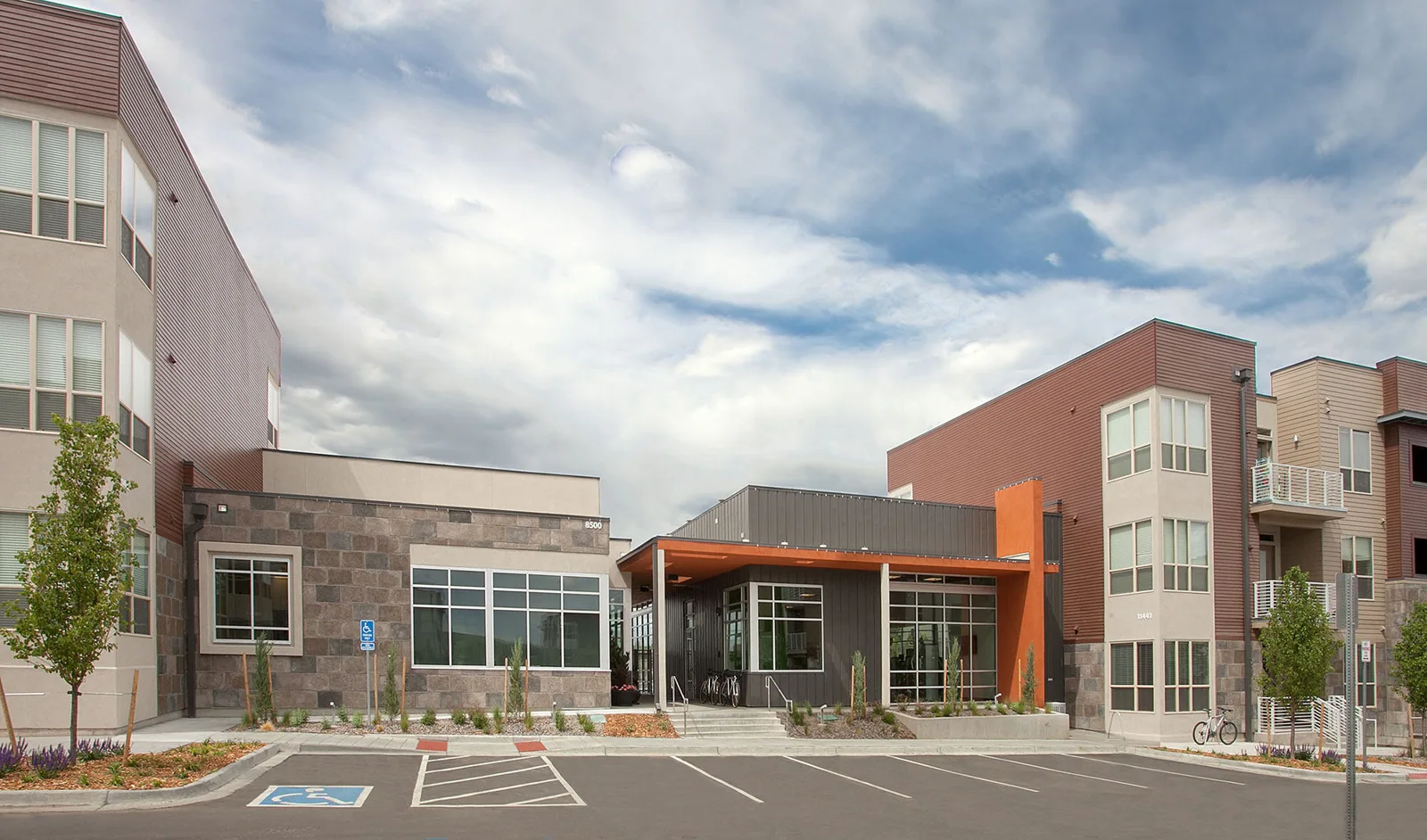
Commercial Roofing at Arista, Broomfield, CO
Coordinate commercial roof work at Arista in Broomfield, CO, with scope tied to office, medical, hotel and residential operations and verified conditions.
Arista’s development profile lists 200,000 square feet of office space, future medical and office uses, 2,138 multifamily units and two hotels totaling 243 rooms. Those program facts put several operating calendars in view, but they do not identify the roof assembly or condition of a particular building. We confirm the asset, roof-zone boundary and responsible contact, then inspect or review the current plans before proposing repair, renewal or access work.
Arista sits by the US 36 corridor and less than half a mile from Rocky Mountain Metropolitan Airport. That location can help identify the district; it does not determine a jobsite gate, crane position or staging right. The current property plan and manager establish those details.
Asset program: separate buildings and operating needs
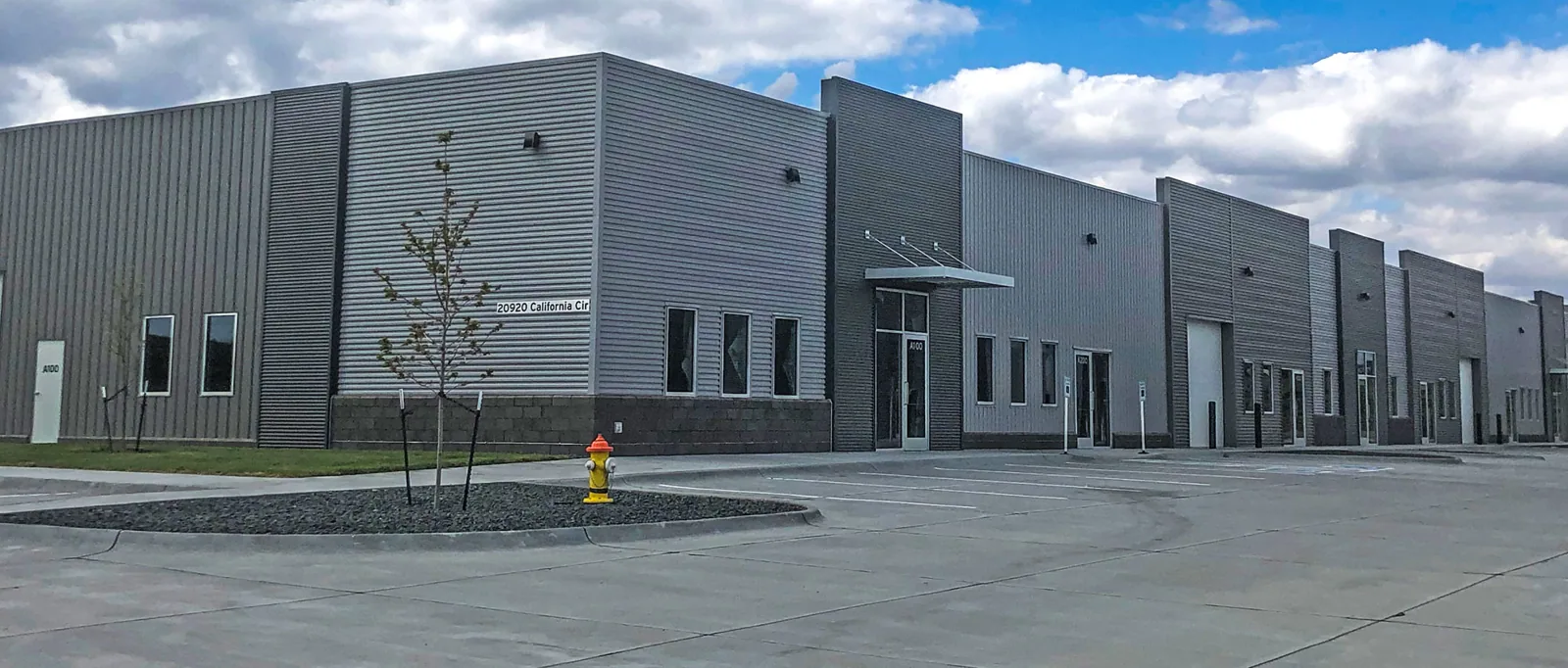
An office property, future medical building, hotel and residential asset may require different hours, access controls and interior protection. We ask the owner which building and tenant area is in scope, whether the roof is shared and who can authorize access. The work plan names inspection limits, shutdown coordination, lift locations, delivery windows and the person who approves a phase handback.
FlatIron Crossing is another Broomfield destination near US 36, with owner-reported tenant moves and improvements. FlatIron Crossing has separate roof and tenant boundaries. The Urban Transit Village is a redevelopment area near Wadsworth Parkway, where the former event center was demolished. A third area, Westminster Station, has rail, bus and public-parking context in a separate city. Those facts do not carry access approval from one property to another.
At an existing building, the first walk records surface or membrane where confirmed, seam and flashing conditions, roof penetrations, drains, edge details, prior repairs and areas not reached. We compare those notes with leak tickets and equipment changes. A condition inspection establishes what is visible and which test could change the repair boundary.
Equipment planning: verify supports before the roof is opened
Mechanical changes often create roof questions before they create visible leaks. We review equipment schedules, curb dimensions, structural loads, intake and exhaust locations, service routes and flashing details. If a hotel or medical user needs a different unit, the owner should confirm its operating and shutdown requirements before setting a work window. A support detail and a membrane detail need to agree before a new opening is cut.
On a completed roof, we photograph the existing curb, adjacent membrane and any previous repair, then compare that detail with the proposed equipment. If the deck or insulation is concealed, we state which test or opening is needed and how it will be restored. Equipment support work can be scoped with the mechanical and structural teams so roof interfaces are not left to field improvisation.
Where access below must remain active, we phase around resident, hotel, office or clinical operations only after the property contact confirms routes and restrictions. A work order identifies noise periods, interior protection and the daily close-in limit. Occupied-building sequencing can set those boundaries before material arrives.
Condition threshold: choose repair, testing or renewal
A localized flashing opening or puncture may support a repair when adjacent material, attachment and substrate remain suitable. Repeated leakage, moisture across several zones, loose seams or compromised deck can change the decision. We map each finding, review earlier repairs and identify the test result that would expand or narrow removal. The recommendation stays tied to inspected areas rather than to the district’s total program.
Cost drivers include measured roof area, removal depth, insulation, cover board, deck work, curb details, drains, edge metal, access, protection and the number of operating phases. We separate measured scope from allowances and note what changes if concealed conditions differ. A recover is considered only when existing layers, moisture, attachment, drainage and edge conditions support another assembly. If not, the estimate compares repair with removal and replacement.
Denver’s July climate normal is 75.1 degrees Fahrenheit; the NWS July 2026 average was 78.7 degrees, the warmest July listed in its record. Those values describe Denver’s station record, not temperatures on Arista rooftops. We use them as regional planning context, then verify actual surface conditions and product limits on the project date.
Weather window: protect the work and the occupied space
Weather and access both set the close-in boundary. Before opening the roof, we identify the maximum section exposed, temporary protection, material storage and the person who can stop work. A delay may affect a hotel room, office floor or medical service differently, so the owner confirms which spaces require priority notification. The daily report states what was secured and when the next work area is planned.
The county's emergency guidance sets the Front Range tornado-risk peak between mid-May and mid-August. That seasonal window supports an alert contact and a route off the roof, but the day’s forecast sets the work decision. Denver’s monthly records show winter snowfall averages of 6.5 inches in January and 7.8 in February. Those regional averages do not establish snow at an Arista property. We verify site access and conditions before a winter mobilization.
The airport and US 36 are useful location references, not assurances about lift access or flight-related construction rules. We check the address, property requirements and any approval that governs equipment or staging. If weather or access changes, the manager receives an updated sequence and the condition of the protected roof zone.
Asset record: preserve the detail for the next manager
Closeout lists the exact building, roof areas, inspection date, photos, materials, test limits, access routes and open actions. If a temporary repair remains, we identify the follow-up trigger. If the roof changed during a tenant project, the record links the new equipment detail to the affected zone. That helps a future facility contact decide whether a new leak matches an old condition or requires a fresh inspection.
Arista’s office, medical, hotel and residential program can bring several owners or operators into a larger investment plan, but each roof needs a distinct record. A dated condition report carries field evidence forward. Capital planning can compare verified repairs and renewal needs against tenant turnover, budget timing and other assets without blending their conditions.
Send the property list, roof drawings, tenant schedule, access rules, equipment plans, leak history and capital date. We will identify which roof needs action first, what test could change the scope and which work can be scheduled around operations.
Commercial Roofing Questions
Do Arista’s unit and hotel counts tell us the roof quantity?
No. Those figures describe the development program. We confirm each building’s roof area from current plans or field measurement and document its penetrations, edges and separate zones.
How should a medical or hotel equipment change be handled?
Share the equipment schedule, support loads, curb dimensions, access route and shutdown rules. We inspect the existing interface and identify the flashing or structural detail that must be approved before the roof opens.
Can one roofing scope cover every Arista building?
A portfolio schedule can coordinate visits, but the findings and quantities remain building-specific. We label each roof zone, tenant boundary, access rule and follow-up action separately.
Does Denver’s July temperature record describe an Arista roof?
No. It is a Denver climate record. We use it as regional context and check the actual surface, weather and assembly requirements for the work date.
What belongs in a roof report for a multi-use property?
Record the building, roof zone, photos, materials, repair history, test limits, access restrictions and remaining action. We can prioritize the verified condition while keeping neighboring assets separate.
Prioritize the Arista roof portfolio by evidence
Send building addresses, roof records, operating calendars, access instructions and active leaks. We will inspect the defined zones and return a scope with timing and open conditions stated.
Call 555-555-5555 or send the form and we will set up a visit.