
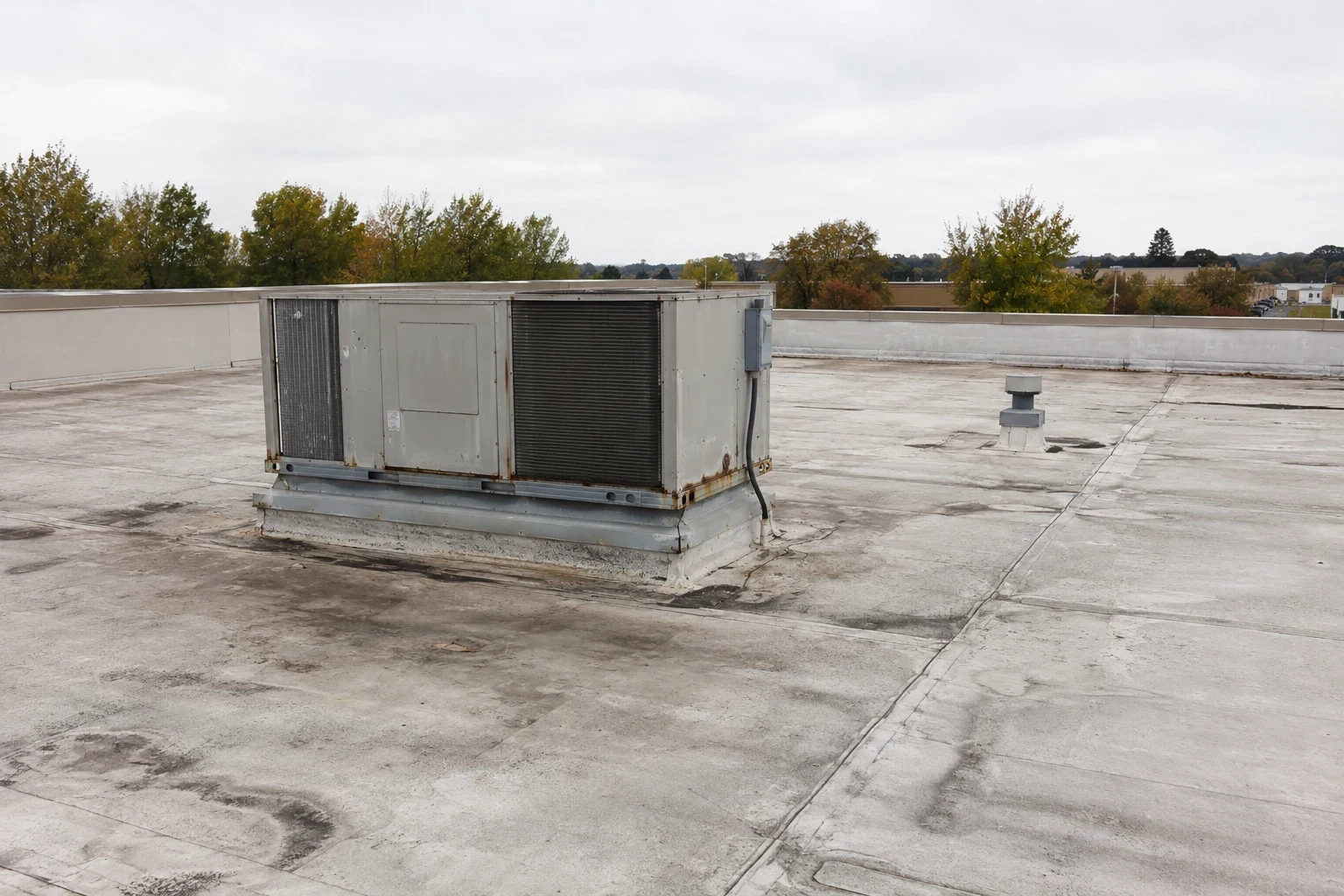
Commercial Roofing for Retail and Restaurant Chains in Thornton, CO
Coordinate roof inspections, repairs and phased replacements around store hours, deliveries, customer access and multi-location budgets in Thornton, Colorado.
A roof issue at one store can disrupt sales, deliveries and the next location’s schedule. We identify the affected roof zone, document the operating constraints and set an order of work across properties. Store leaders receive clear access and closure instructions. Portfolio staff receive comparable findings and costs. That keeps a localized repair from becoming a vague chain-wide project.
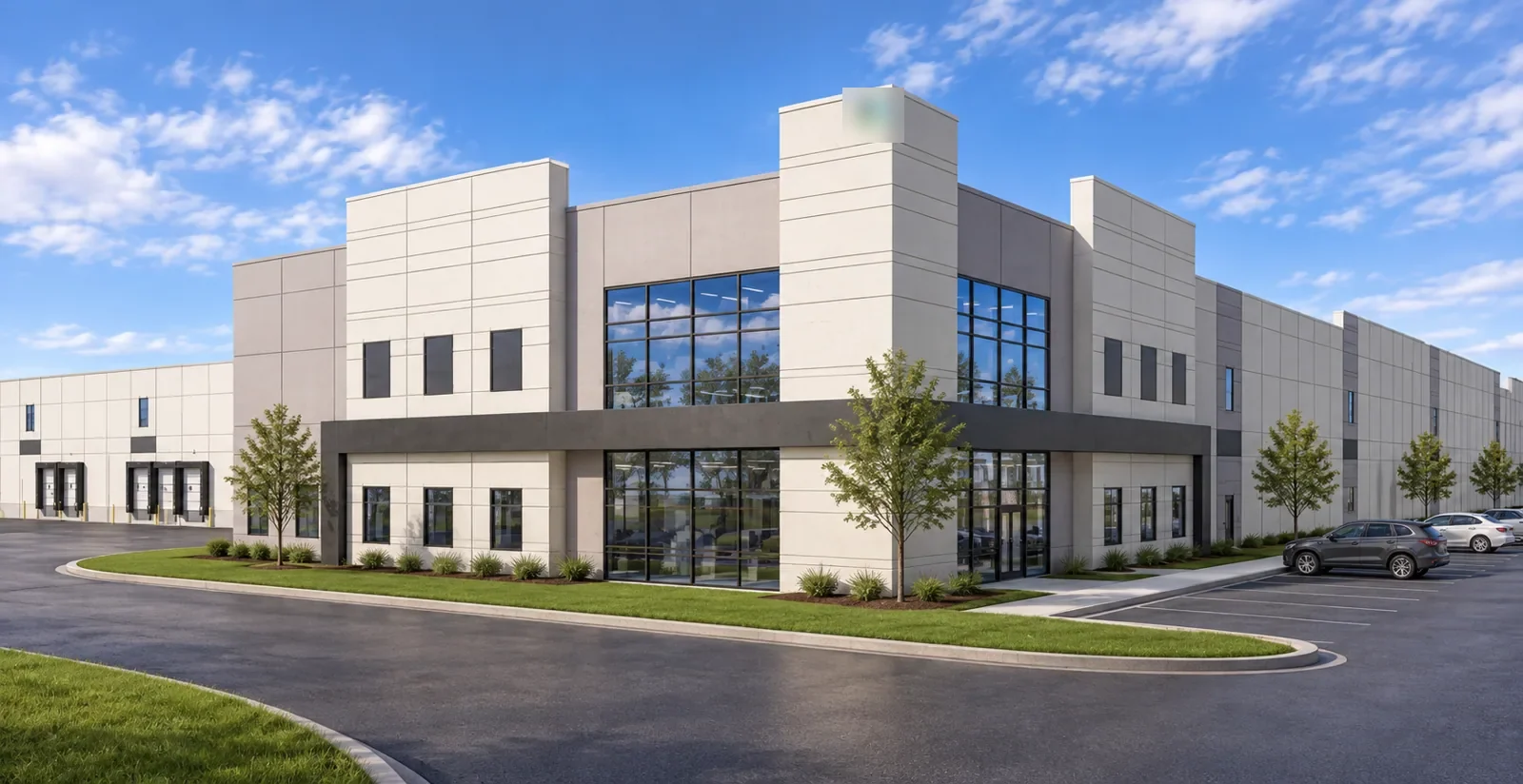
Portfolio register: compare sites on the same basis
We build a location list that connects each address with its roof area, assembly where known, access route, leak history and prior work. Each observation is labeled by date and zone. A recurring drain backup at one site should not be averaged with a seam repair at another. The portfolio summary shows which conditions repeat, which are isolated and what additional inspection could change the order.
Thornton and nearby retail districts include Washington Point in nearby Northglenn, with grocery, pet, service and dining tenants, and the city is pursuing retail-oriented reuse at Market at 88th after the former center was removed. Denver Premium Outlets offers a different operating pattern, with a large open-air shopping center and shared parking and common areas. At Washington Point, grocery, pet, service and dining tenants share a Northglenn center. Market at 88th is in redevelopment, while Denver Premium Outlets has open-air retail and shared parking. Those differences affect where crews stage and how each site maintains customer access.
Trading hours: protect the customer path
Before mobilization, we confirm store hours, receiving windows, customer entrances, accessible routes, delivery lanes and any shared-property rules. A retail roof may have a loading dock behind the building and a public entrance along a separate elevation. A restaurant can also have scheduled food deliveries, waste pickup and ventilation equipment that must remain available. The site plan names the staging zone and keeps material movement away from active customer routes. We also confirm where dumpsters, temporary protection and removed equipment can sit without blocking receiving or emergency access. If the center has a property manager, the store contact and owner representative agree on who will notify adjacent tenants before work begins.
We divide the roof into work areas that can be secured and released in sequence. If a lift or temporary closure is required, the operating lead receives notice with the time, affected door and expected handback. Noise-producing removal can be scheduled around opening or meal service where practical. The plan also states when work must stop because the building cannot maintain safe access or weather protection.
Food-service details: trace penetrations and drainage
Restaurant roofs carry exhaust hoods, make-up air, refrigeration lines and other service penetrations. We record their locations and inspect the membrane transitions, curbs, flashing and drainage around each unit. A visible stain inside may reflect a detail above it, but the source must be traced before a repair is selected. We coordinate equipment shutdown or access with the operator and do not assume a rooftop unit can be moved without authorization.
At a shopping center, common drains or shared roof sections can complicate responsibility. We identify the roof boundary, lease or property contact and the party that can approve access. A drain inspection can distinguish debris, standing water and a separate membrane concern. Commercial roof repair can address a defined defect, while a separate drainage review examines standing water and its source.
Storm response: inspect the specific storefront roof
A National Weather Service report recorded a May 2024 hailstorm crossing Thornton and Northglenn, with hail reported between one and two inches and roof damage reports in the area. That event is a reason to review exposed properties and maintenance records. It does not prove damage at a particular store. We inspect the actual surface, edge details, rooftop equipment and interior reports before documenting a recommendation.
Adams County identifies tornadoes as a regional hazard, with Front Range activity concentrated mainly from mid-May through mid-August. Retail teams can use their incident process to preserve photographs, note water entry and restrict unsafe areas. We separate emergency protection from permanent scope, mark temporary repairs and schedule follow-up inspection. Store operations should not reopen a wet or affected area until the responsible site lead confirms it is ready.
Capital options: compare repair, replacement and phasing
A targeted repair may be appropriate when damage is confined and surrounding materials remain sound. Repeated leak calls, widespread membrane deterioration or wet insulation may justify testing and a wider scope. We show findings by location and distinguish observed conditions from assumptions. For a replacement, the comparison includes removal or recover assumptions, insulation, attachment, edge conditions, drainage, equipment coordination and interior protection.
Chain portfolios often need work divided by season, lease event or available capital. We identify a first phase, the stores that follow and the condition that would move a site forward. Cost comparisons should use a common basis and make exclusions visible. Replacement planning can be evaluated alongside capital planning; the operating team can review multi-building coordination for locations with common property contacts. Investor portfolio reviews can help ownership teams compare roof evidence against asset plans.
Delivery: leave each manager with a usable record
After work, the chain receives photos tied to the roof zone, work completed, materials used, test results and any access limitation. We list temporary measures separately and note what follow-up remains. The store contact gets the repair boundary and handback status. A portfolio manager can compare the same fields across locations without losing the property-specific detail.
Keep incident notices, roof plans, service tickets, contractor records and approval contacts with the site file. A later complaint can then be checked against the work performed. For each location, retain the person who approved access, the date that temporary protection was removed and any equipment restart check. If a tenant reports a new stain after rain, the facility lead can compare its room and time with the roof-zone record before dispatching a crew. That makes follow-up more precise and reduces repeated investigation. Condition reporting supports that history, and general-contractor coordination helps when customer service continues through a larger project. Send the location list, operating hours, current calls and planned capital dates. We will return a prioritized work sequence with site constraints stated.
Commercial Roofing Questions
Can stores stay open during roof work?
Often, if access, weather protection, lifting and customer routes can be controlled. We confirm each store’s operating hours and set work boundaries and release times with its manager.
How do you rank a chain’s locations?
We compare active leaks, roof condition, repair history, site consequences and the evidence still needed. The register keeps a separate recommendation for every property.
What should a restaurant provide before inspection?
Share roof access rules, equipment contacts, operating windows, leak records and any exhaust or refrigeration restrictions. We confirm which units need coordination before opening a roof area.
Does hail in Thornton mean our stores need replacement?
No. A regional storm report supports a timely inspection, not a blanket scope. Each roof must be reviewed directly, with observed damage separated from uncertain conditions.
Can repairs and replacements be budgeted in different years?
Yes. A condition-based sequence can separate urgent protection, defined repairs and larger renewal phases. The report should state what might change that order.
Coordinate roofing around the store network
Send store addresses, hours, leak calls, roof records and capital dates. We will document property-specific conditions and a sequence for repair or renewal.
Call 555-555-5555 or send the form and we will set up a visit.