
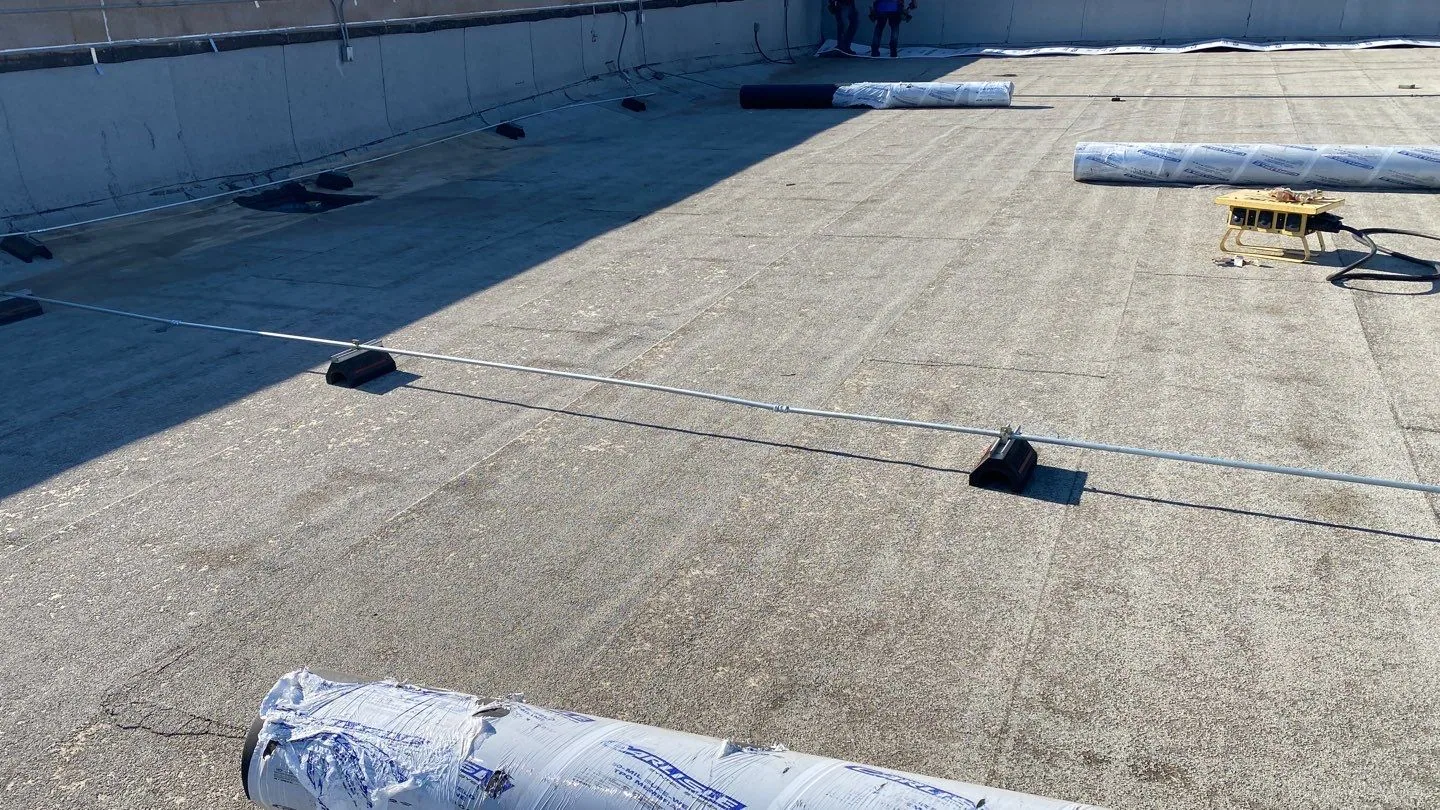
Carlisle SynTec Commercial Roofing in Thornton, CO
Review Carlisle SynTec membrane options, detail repairs and renewal timing for commercial properties in Thornton, CO, with roof-zone findings.
A capital request loses time when the assembly name is known but the roof zones are not. Carlisle SynTec systems can be evaluated against the existing membrane, attachment, insulation, deck and edge details. We first separate confirmed conditions from items that need a test. That matters before winter close-in or a tenant schedule restricts roof access. A product selection should follow the condition record, not replace it.
Carlisle SynTec manufactures commercial roofing materials, including single-ply membrane systems and related components. Our field scope connects the selected assembly to substrate preparation, seams, penetrations, perimeter restraint and drainage. The owner sees what is included, what remains uncertain and which inspection milestone should occur before material is covered.
Existing roof: establish a reliable starting point
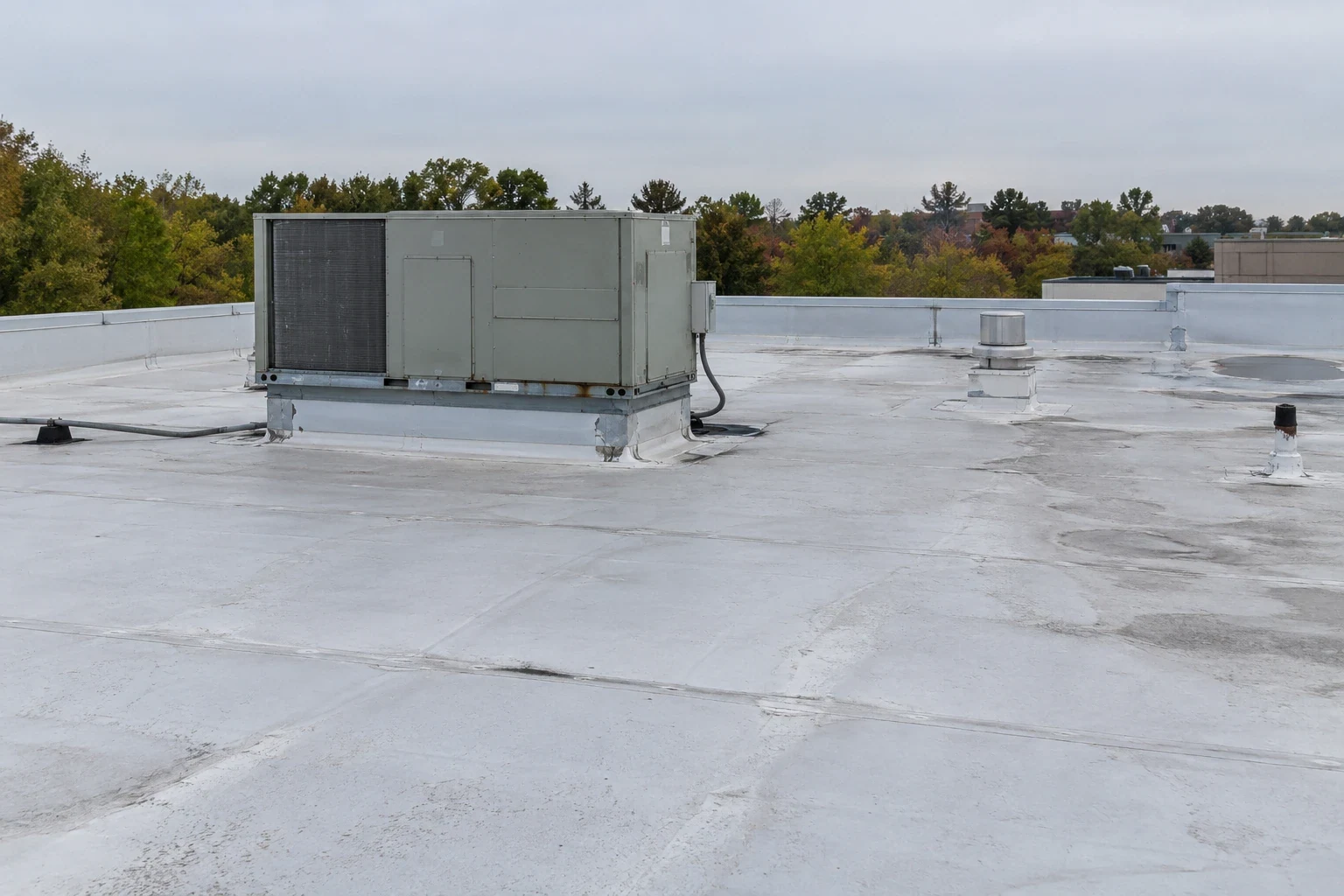
We map the roof by section and note system identification, visible repairs, surface wear, ponding evidence, penetrations, equipment supports, perimeter condition and access limits. If drawings conflict with field conditions, we mark the conflict. Moisture testing or a core sample can clarify concealed layers, but only within its sample area. We identify the test purpose, opening location and restoration method before proceeding.
Innovate 25 sits near East 128th Avenue and Washington Street. Its industrial buildings include dock-high and drive-in doors. That operating setting points to delivery and loading coordination, not roof construction. We verify the actual tenant access route, staging area and roof hatch before setting a repair or installation schedule. Innovate 25 is one local reference for planning an industrial work window.
For a Carlisle proposal, the inventory should state existing material where confirmed and list each assumed layer. We note whether removal is carried to the deck, whether insulation is replaced, and how unknown conditions will be handled. A recover option is only considered after the existing system passes the necessary condition and code checks. We document the accessible roof and interior evidence before those assumptions enter a bid.
System options: match material to exposure and detail
Carlisle SynTec offers commercial single-ply assemblies, including TPO and EPDM, along with associated insulation and accessory components. A comparison should consider attachment method, substrate, roof geometry, seam approach, color, chemical exposure and service access. The selected membrane does not compensate for weak perimeter details or a drain that cannot move water. We examine the complete assembly at field seams, walls, curbs, transitions and terminations.
Thornton experiences hail and seasonal snow conditions. The May 30, 2024 storm crossed Thornton and Northglenn, and NWS reported hail with roof damage. The event is a reason to inspect affected buildings, not evidence that a particular Carlisle membrane was damaged. We document impact marks, displaced details and reported interior leakage by zone. A condition review can then distinguish a localized repair from a larger replacement question.
Where a TPO comparison is appropriate, we inspect heat-welded seams, patches, flashing and edge transitions. An EPDM scope calls for attention to field seams, uncured flashing details, adhesive condition and terminations. Product and detail selection should follow current manufacturer requirements and the approved assembly. TPO roofing and EPDM roofing are separate system paths, not interchangeable labels.
For projects requiring a permit, Thornton directs applicants to the 2024 editions of its building and existing-building codes. Current energy provisions began July 1, 2026. We confirm which rules govern after the scope and submittal date are set, especially if insulation or assembly layers change. That review belongs in preconstruction, before procurement is locked.
Repair boundary: preserve the evidence
A seam opening, puncture or loose flashing can be repaired when surrounding material is sound and the source of failure is understood. We inspect beyond the visible mark, because water can travel between layers before it appears inside. The work order records the roof zone, repair extent, materials, photographs and any condition that remains unresolved. If moisture or attachment issues extend beyond that boundary, we price the next test or broader scope separately.
Eastlake at 124th Station is on RTD’s North Metro N Line, while Crossroads 25 is a commercial project near I-25 and E-470. Those two references represent different access settings in the Thornton market. They do not establish the condition of any specific building. For each property we confirm transit, delivery, gate, tenant and lift constraints with its contact. Eastlake at 124th Station helps place the schedule discussion in its local context.
Hail findings may also require a written condition record for an insurer or portfolio manager. We photograph marked areas, record the storm date as reported, identify inaccessible sections and distinguish visible damage from suspected concealed effects. A hail inspection can define the roof evidence; a photo-based report gives the facility team an organized baseline.
Replacement planning: price the assumptions separately
Cost and timing depend on removal depth, insulation, cover board, deck condition, edge metal, rooftop equipment, penetrations, staging and occupied-area protection. A Carlisle assembly estimate should show the selected materials and detail scope, plus exclusions that may affect the total. If test results could change the decision, the estimate identifies that dependency instead of burying it in a general allowance.
The roof schedule needs a dry-in point, daily close-in plan, forecast review and inspection before concealment. Thornton can see heavy regional snow events: NWS documented 18 to 36 inches across parts of metro Denver in November 2024. That record is not a load measurement for a Thornton facility. It is a reminder to verify the actual forecast and maintain a defined protection plan through each workday. We coordinate tear-off, material placement and tenant notices around confirmed access hours.
Owners weighing Carlisle against another system should compare like-for-like assumptions. Sika Sarnafil or Versico may enter the comparison if system requirements fit the roof. We keep differences in membrane, attachment, accessory, removal and warranty documentation visible. No comparison is meaningful if one estimate includes deck repairs and another excludes them.
Closeout record: tie installation to future decisions
During installation, we review substrate readiness, insulation placement, attachment, seams, flashing, terminations, drains and roof-edge work. Work photos are organized by roof zone. If demolition reveals wet insulation or deteriorated deck, we document the change and obtain direction before expanding the scope. That protects both the approved budget and the record of what was concealed.
Closeout identifies completed areas, materials recorded, inspections, remaining limits and owner actions. We verify Carlisle documentation, eligibility and any applicable term against the specific assembly and project requirements. Later maintenance can then use the same zone identifiers to track patch history and new observations.
At the next capital review, the owner can compare the initial survey with completed work and remaining risk. Capital planning can carry forward unresolved items and align any additional inspection with the facility calendar.
Commercial Roofing Questions
Which Carlisle SynTec system fits a commercial building?
That decision follows the existing roof, deck, exposure, substrate, drainage, use and approved details. We identify those conditions before comparing TPO, EPDM or another documented assembly. The proposal states what has been verified and what remains an assumption.
What evidence supports a Carlisle recover rather than tear-off?
We need adequate information about existing layers, moisture, attachment, deck and applicable code limits. Testing may be needed to establish those points. A recover is not included simply because it lowers demolition; the roof must support the design and the permit path.
Can an isolated seam or flashing issue be repaired?
A localized repair can work where adjacent membrane and substrate remain sound. We inspect the surrounding zone, record the repair boundary and identify any moisture or movement that changes the scope. If the cause remains uncertain, the next test is listed separately.
How should a hail report affect the material decision?
It should trigger a timely inspection of the exposed roof areas and affected details. The report does not choose a system or prove damage at a particular property. We record observable conditions, interior reports and access limits before recommending repair or renewal.
What controls installation timing in Thornton?
The calendar depends on roof access, removal depth, substrate repairs, weather, dry-in capacity, deliveries and occupied operations. We set close-in milestones and confirm the forecast as work proceeds, with a defined response if site conditions change.
Compare Carlisle scope with the roof evidence
Send roof records, leak history, access limits and the funding date. We will inspect the defined zones and return assembly options with assumptions separated from confirmed conditions.
Call 555-555-5555 or send the form and we will set up a visit.