
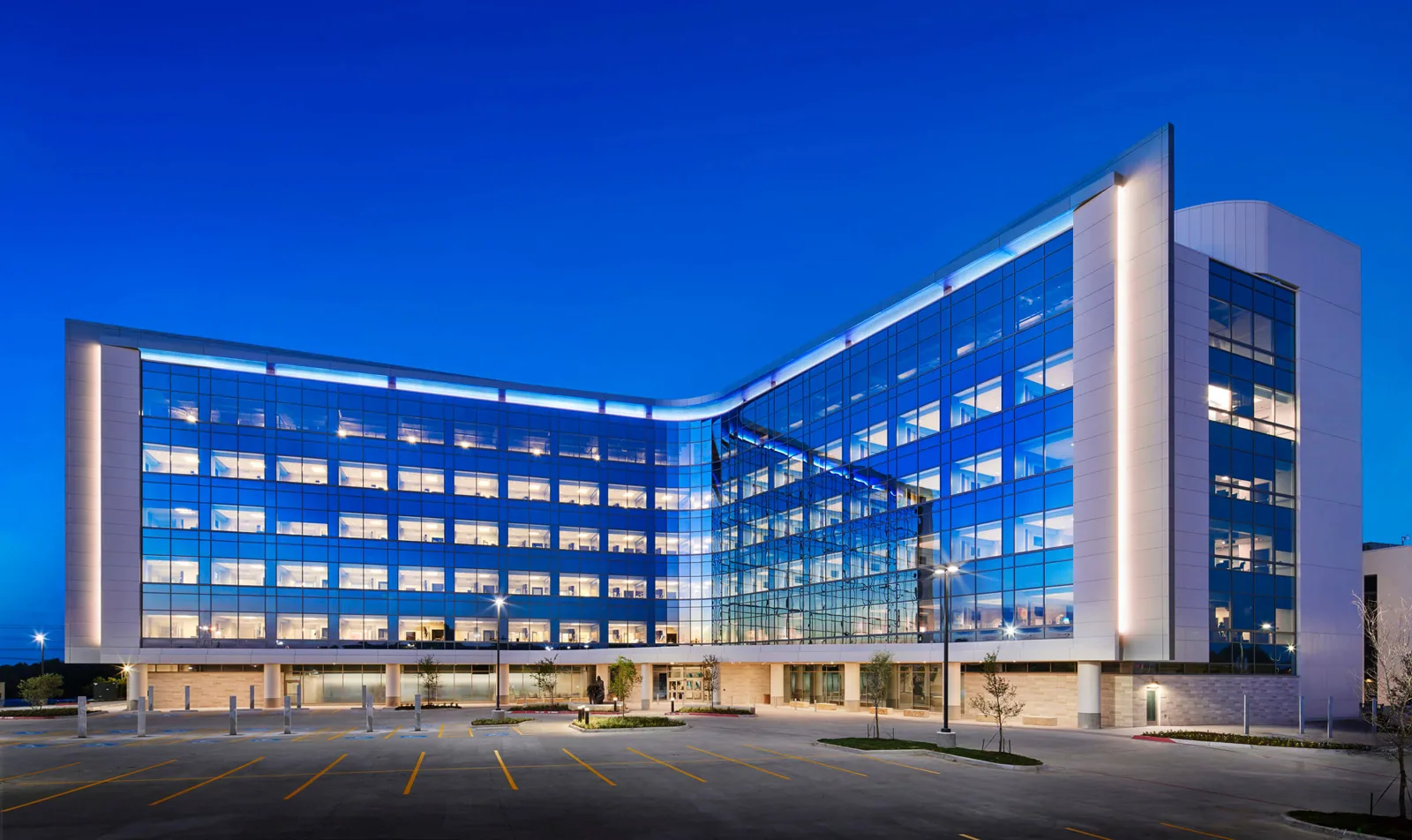
Hospital Roofing in Thornton, CO
Plan hospital roof repairs and replacement around patient access, ventilation, infection controls, and campus operations in Thornton, Colorado.
A ceiling report above an occupied care area can change the day’s operating plan. Hospital roof work needs an identified leak path, a controlled access route and a clear handoff to facilities. We identify the roof zone, interior exposure and systems below before setting the repair window. The record separates immediate protection from capital work that can be phased.
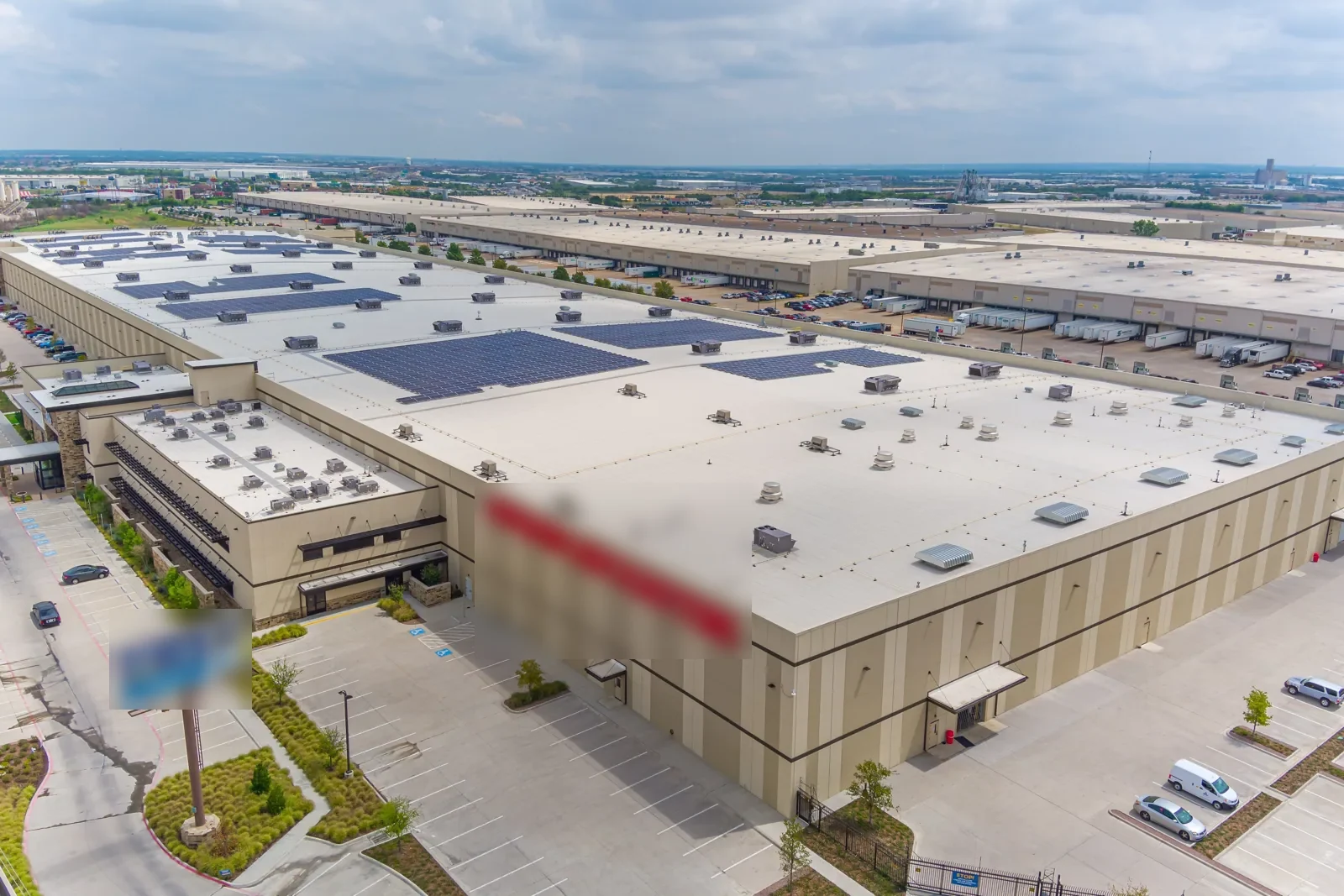
Campus sequence: define the active roof zone
A hospital campus may contain patient towers, support buildings, clinics and later additions. Drawings do not always show the current assembly or every rooftop change. We walk the available roof areas with the facility contact, note membrane transitions and mark equipment, drains, skylights and access points. Each finding receives a location and a priority so the team can compare buildings without treating every roof as one project.
City planners selected an area near North Suburban Medical Center for focused healthcare planning, with the study extending south toward 88th Avenue. The city has reviewed redevelopment potential across parcels in the broader area. That planning context identifies a healthcare focus; it does not tell us the roof assembly or condition at any hospital. We verify each address, building and operating boundary before writing a scope.
Care coordination: protect entrances and clinical operations
Before mobilization, we agree on loading, crew check-in, roof access, material staging and the work zone below. Emergency entrances, ambulance lanes, patient drop-off and staff paths need to remain available under the facility’s rules. We list barriers, interior protection, noise periods and daily cleanup in the sequence. A task can be technically small and still require careful coordination if it sits over an active treatment space.
We split larger work into sections that can be inspected, secured and released. The facility contact approves any temporary route or restricted area. If an unexpected deck condition expands the work, the crew stops at a safe boundary and reports the finding before moving into another zone. This keeps the daily plan legible to maintenance, safety and operations staff.
Air systems: coordinate intakes and rooftop equipment
Hospitals depend on ventilation schedules and equipment access. Dust, odor, debris or an uncovered opening can affect nearby intakes. We identify supply and exhaust locations with engineering staff, then agree on protection or shutdown steps before removal and application. The plan names the person who authorizes a system change and the check required before normal operation resumes.
We inspect curbs, pipe penetrations, equipment rails and flashing as part of the water path. Curb and support details may need separate repair from the field membrane. A roof opening near a mechanical unit should be documented by roof zone and matched with the interior report. When skylights or other penetrations are involved, flashing work can be scoped alongside the membrane repair.
Leak investigation: confirm the source before opening
A ceiling stain can follow a path away from the roof entry. Condensate, plumbing and envelope joints can also leave water in a clinical space. We compare the reported time and location with roof seams, drains, penetrations and prior repairs. Photos show what was visible, what testing was completed and where access remained limited. If a small opening is needed to confirm wet insulation or deck damage, we define the test area and closeout method first.
A documented roof inspection creates a baseline for repair decisions. If the moisture pattern is not visible from the surface, infrared moisture mapping may help identify areas for verification. It does not replace a confirmatory opening where conditions require one. We label observations separately from assumptions, so a reported leak does not become an unsupported replacement recommendation.
Repair or renewal: compare the evidence and consequence
One failed seam, puncture or flashing detail may support a localized repair when adjacent material is sound. Repeated leaks, widespread wet insulation, failed attachment or deteriorated edges can change the recommendation. We map each issue, identify the test that could change the scope and explain what remains serviceable. The facility can rank a near-term repair against a phased renewal using condition, access impact and operational consequence.
A medical-office roof comparison can help a health system distinguish clinic access needs from campus-wide sequencing. An office-building scope may share membrane or rooftop equipment concerns, but its occupancy plan can differ. We do not assume that one assembly or work window applies across a hospital portfolio. Existing layers and attachment need inspection before a recover option is considered.
Weather window: plan for exposure and secure close-in
Thornton’s Front Range weather makes forecast checks part of the daily plan. Winter snow and freeze conditions can limit access or affect surface preparation. Hail and wind may prompt an inspection after a storm, but visible impact alone does not establish membrane failure. We confirm current conditions, document damage and protect any opening before resuming permanent work. A staged plan includes a stop point and a secure end-of-day condition.
For active water entry, emergency protection can reduce exposure while the facility arranges access and a lasting repair. We record temporary materials and the remaining work so that a short-term measure does not disappear from the next maintenance review. The work order should identify who receives updates and how the team will reach the roof if weather changes the schedule.
Capital record: make the next decision easier
A useful closeout includes roof-zone photos, materials, repaired details, areas opened, protections used and limits on testing. We list unresolved observations and the next inspection date when one is agreed. This record helps facilities staff track repeat reports, plan budgets and hand a roof history to another team. If a roof has several additions, the record keeps assembly changes visible instead of hiding them in a single campus label.
Thornton includes HCA HealthONE Mountain Ridge in its major-employer roster, placing healthcare among local employment sectors. A site near the South Thornton Healthcare District still needs its own access and asset review. A campus closer to Thornton Urban Center may have different delivery and tenant constraints. Send roof plans, leak logs, interior reports, access rules and capital timing. We will return a sequence tied to the building and its operating calendar.
Commercial Roofing Questions
Can hospital roof repairs happen while the building remains open?
Often, but the facility must approve the access route, work area, ventilation controls and daily release steps. We phase tasks where practical and state which conditions could pause work.
How do you limit disruption above patient areas?
First we map the roof zone to occupied rooms and routes below. The schedule can then identify noise windows, barriers, interior protection and the person who clears the area.
Will every leak require a roof opening?
No. Surface inspection and records may identify a failed detail. If hidden moisture or deck damage changes the repair, we explain the proposed test area before opening it.
Can one inspection cover an entire hospital campus?
A campus review can organize buildings and priorities, but each roof zone still needs its own observations. Additions, equipment and access conditions can vary from one structure to another.
What should facilities send before a site visit?
Roof plans, prior repair records, leak locations, interior photos, equipment constraints, check-in rules and any dates when access is restricted help us prepare a useful sequence.
Plan hospital roof work around care operations
Share the roof zones, current leak reports, access rules and operating windows. We will document the findings and recommend a controlled sequence for repair or renewal.
Call 555-555-5555 or send the form and we will set up a visit.