
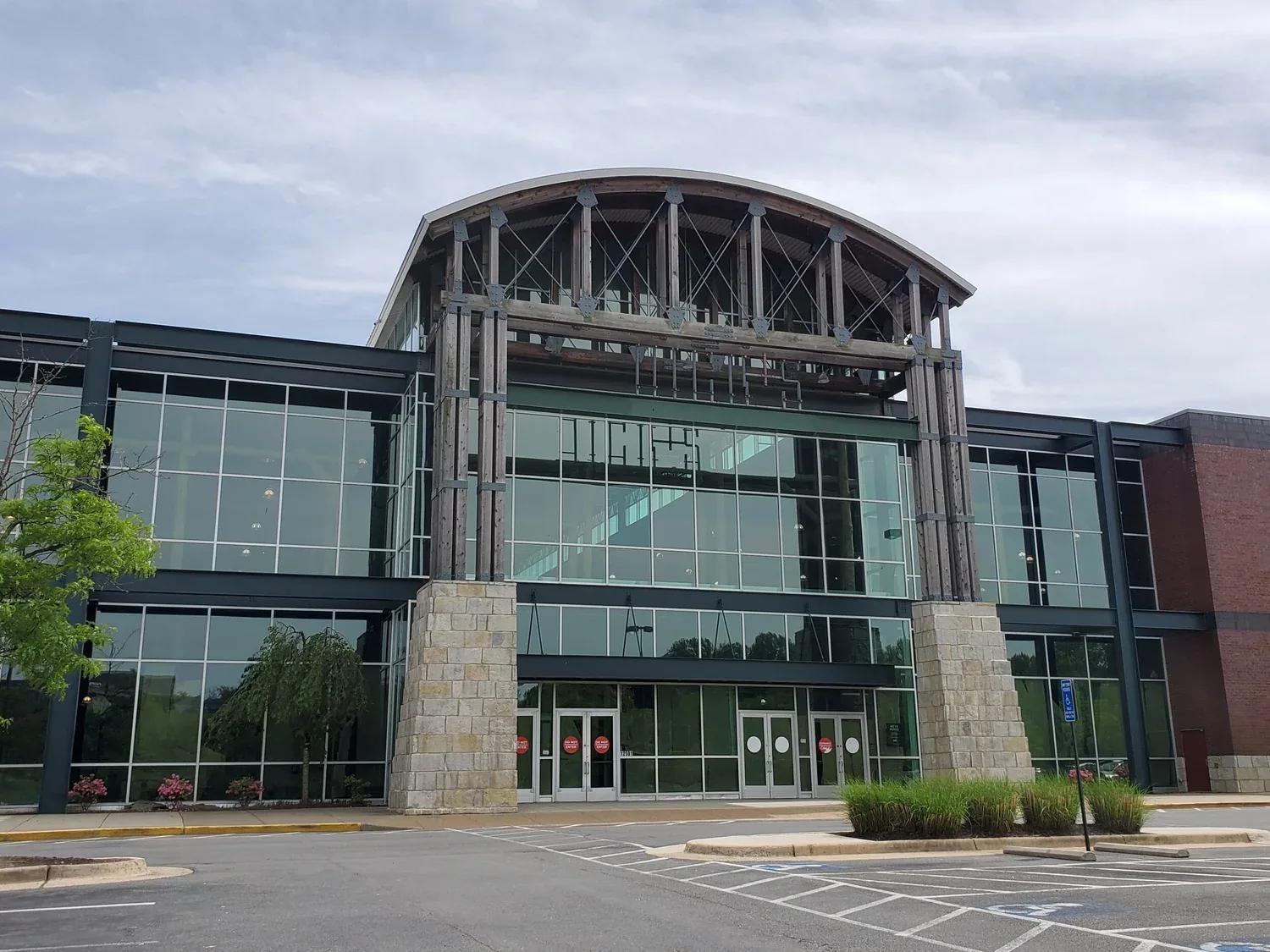
Big-Box Retail Roofing in Thornton, CO
Plan big-box roof repairs around large store operations, rooftop equipment, customer access, and capital deadlines in Thornton, Colorado.
A roof leak above the sales floor can affect inventory, checkout lanes and the next opening shift. We map the leak to a roof zone, confirm access and set the close-in limit before pricing broader work. Big-box buildings have wide operating areas, concentrated rooftop equipment and customer-facing entrances. The repair plan should show how materials move, what stays open and which finding changes the replacement decision.
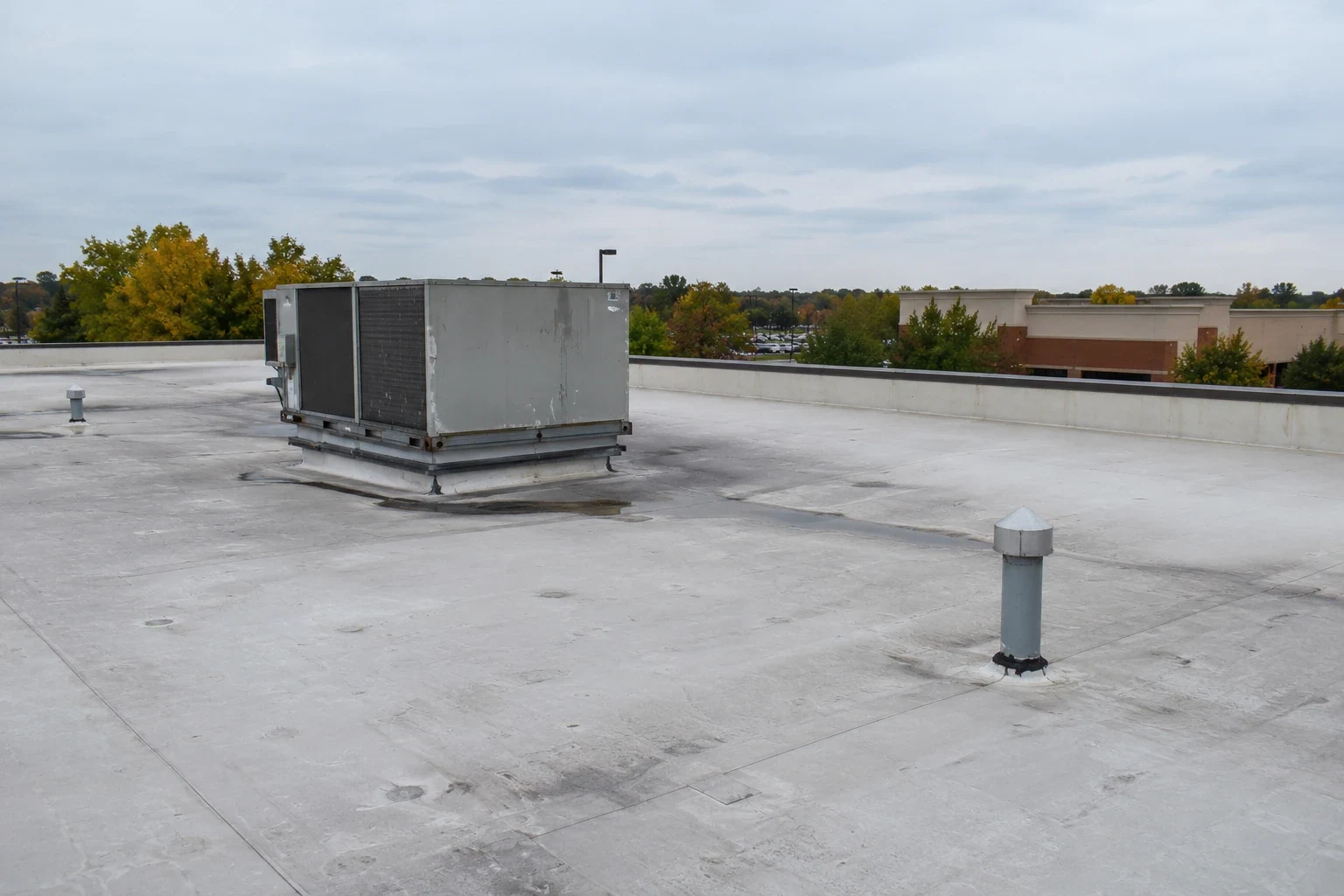
Roof grid: locate equipment and interior exposure
Large stores often have rooftop units and long membrane runs. We identify equipment rows, curbs, drains, wall transitions, penetrations and prior repairs on a roof plan. The interior contact marks inventory, electrical or occupied areas that need protection below. This map helps separate a single failure from a pattern that could involve multiple sections. We note whether the leak report followed a storm or appeared during routine operations.
Denver Premium Outlets is an open-air retail campus at Grant Street in Thornton, while Northglenn Marketplace includes attached and standalone commercial buildings with tenant spaces of different sizes. Those examples show how large-format retail can sit beside varied building forms, but they do not describe a particular big-box roof. We check the address and assembly directly. The Grant Street outlet center and Northglenn Marketplace are local contexts for varied retail access and roof layouts.
Customer access: stage work outside the sales path
Lift setup, dumpsters and material delivery can compete with customer parking and receiving. We coordinate setup zones with the store manager and set any lane, entrance or loading restriction before mobilization. If the store stays open, barriers and overhead protection keep the work area separate from public movement. High-noise removal can be timed around opening hours, with quieter inspection and detail work placed elsewhere in the shift.
A broad roof can support phasing by section, but only if each section can be made weather-tight before the crew leaves. We list the expected daily area, roof access point and material route. When merchandise or equipment sits below a work zone, the store identifies an alternate area or approves protective measures. Occupied-building work sequencing can state the controls needed to keep operations predictable during a repair or replacement.
Drainage control: verify the low points and outlets
Water that collects near an interior column may have traveled from a drain several bays away. We check drain bowls, strainers, scuppers, overflow routes and roof slope before calling ponding a membrane defect. If clearing an outlet restores flow, that is different work from correcting a low area or replacing wet insulation. The condition report identifies the roof zone, the observed water depth and any limits on access.
Northglenn Marketplace sits north of East 104th Avenue between Melody Drive and I-25. Its city planning materials describe attached and stand-alone structures, so drainage may need to be assessed by roof area rather than by retail center name. The same principle applies to a single large store with additions. Drainage repairs can be priced apart from a broader membrane scope. We document where water leaves the roof and where it could enter the building.
Impact review: inspect after hail, then set limits
NWS logged a May 30 hail event that crossed Thornton and Northglenn, with stones from one to two inches and roof damage reported. For a large store, that record can support an early inspection request. It does not describe the condition of this building. We photograph the membrane, edge metal, unit bases and exposed seams, then set the repair area from what is visible.
A severe wind warning also changes roof-access decisions. We review the forecast and inspect for displaced edge metal, lifted membrane or damaged curb flashing before opening a section. Unsafe conditions stop the work sequence. Wind-damage repair can begin with observed displacement or water entry, followed by a separate permanent correction.
Renewal choice: price what the condition supports
One failed curb or seam may call for a focused repair when surrounding material is sound. Repeated leaks, wet insulation, widespread punctures or loose membrane may support a larger project. We identify representative conditions and the test that could change the recommendation. If considering a recover, we check existing layers, attachment, drainage and edge height before adding material. A proposal should show repair and replacement as separate scopes with quantities and assumptions.
A shopping-center project can involve shared entries and multiple tenants, while a grocery store roof may add refrigeration and food delivery constraints. Big-box operations have their own receiving hours, equipment rows and inventory exposure. We set those operating assumptions before comparing membrane options or phasing. The current code and permit review should be confirmed for the proposed scope.
Capital case: connect downtime to roof priority
Cost and timing change with roof area, height, access, equipment congestion, membrane layers, tear-off, disposal and interior protection. A store that cannot reduce receiving may need another mobilization or a tighter daily limit. We list what is measured and what remains an allowance. If hidden deck or insulation damage appears after opening, the approval method should be clear before production reaches that section.
Thornton’s redevelopment work at Market at 88th follows demolition of the former shopping center and a city-led retail-oriented reuse plan. That site context can inform a property acquisition or planning discussion, but it does not describe an operating store’s condition. We document the current building and its own lease and access limits. Market at 88th is a local redevelopment reference for separating future use from present roof scope.
Turnover: close the work with usable records
At closeout, we return photos by roof zone, list repaired details and note areas not tested. We record materials, temporary protection, drain observations and any remaining concern. The store and asset manager can use that record to connect later interior reports with the work completed. If the project was phased, each turnover identifies the section released and any follow-up inspection required.
Provide the roof drawing, leak history, equipment locations, receiving schedule, store hours and capital target. We will return a repair or renewal sequence with customer access and daily close-in stated. For an active leak, emergency protection can limit interior exposure while permanent work is arranged. A replacement proposal can then use verified quantities and operational assumptions.
Commercial Roofing Questions
How do you reroof a large store without losing receiving access?
We map truck routes, lift placement and roof access with the store contact before staging. Phases can be sequenced by roof section, but each open area needs a safe daily close-in. The plan identifies any temporary restriction before materials arrive.
What should be checked after hail or high wind?
We inspect the roof surface, perimeter, edge metal, penetrations and equipment details for visible impact or displacement. A regional storm report only prompts the review. The condition record should distinguish observed damage from older wear and list any test limits.
Can one roof leak justify a full replacement?
A single report does not settle that decision. We trace the entry path and compare the affected area with membrane, insulation and attachment conditions elsewhere. Broader work is proposed when the inspection supports it.
How does rooftop equipment affect the bid?
Equipment density can add curb details, access restrictions, mechanical coordination and staging limits. We map the units and state which need protection or shutdown approval so those tasks are visible in cost and timing.
What should the asset manager provide first?
A roof plan, leak log, store hours, receiving schedule, equipment list and any budget deadline help set the inspection. If a storm or active leak prompted the request, include photos and the date first observed.
Set a large-store roof plan against operating hours
Share the store roof map, equipment list, leak reports, receiving hours and capital deadline. We will document priority zones and return a work sequence for review.
Call 555-555-5555 or send the form and we will set up a visit.