
Grocery Store Roofing in Thornton, CO
Protect grocery operations with roof scopes for refrigeration units, food areas, receiving routes, and weather windows in Thornton, Colorado.
A drip near a produce case can point to a roof defect, condensate line or refrigeration unit. We trace the report before opening the assembly and coordinate access with store operations. Grocery roofs carry equipment, exhaust and service penetrations across areas that cannot all stop at once. The work plan should connect the roof zone to the aisle, receiving route or back-room area below.
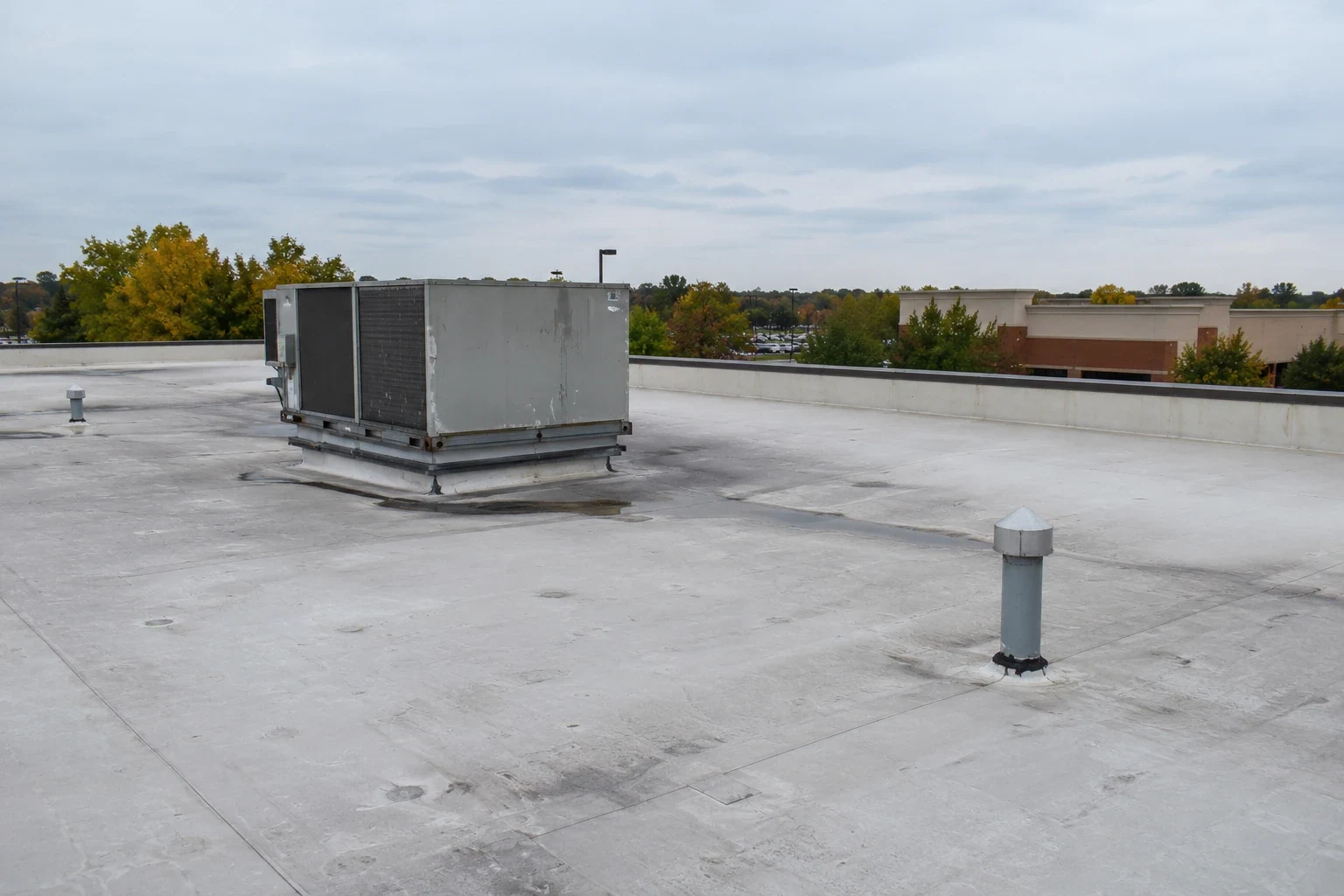
Refrigeration map: inspect curbs and service lines
We locate rooftop condensers, piping, electrical runs, exhaust and support frames, then compare those details with the interior report. A leak near a refrigerated case may travel from another curb or seam. We photograph flashing, membrane transitions and equipment supports and identify any shutdown approval needed. Mechanical work and roofing work may share an access window, but each scope needs clear responsibility and a weather-tight handoff.
Washington Point in nearby Northglenn lists Safeway among its tenants, alongside Petco, a swim school, dental office and restaurants. Northglenn Marketplace also has attached and stand-alone retail buildings with tenant spaces of varied size. Those district examples are useful local context for food retail, not proof of a particular roof assembly or repair history. We inspect the actual property and coordinate with its manager. Washington Point provides a nearby example of a center with food retail and other occupied uses.
Food protection: isolate dust, debris and odor
Before roof removal, we identify food storage, preparation, receiving and customer areas below the work. The store sets sanitation rules and determines whether a room or aisle must be cleared. We state how debris will be contained, where materials can be staged and who checks interior protection. Adhesives or coatings may require controls for odor and ventilation. A close-in plan limits the time the assembly remains open above an active store.
Roof access can compete with deliveries, refrigeration service and customer traffic. We agree on a route for ladders, lifts and material movement with store staff. If a delivery door must remain clear, the phase can shift to another zone. Curb and equipment support work can be separated from membrane replacement so refrigeration technicians know which details fall within the roofing scope.
Water source: separate roof leaks from condensate
Water near a cooler can come from a membrane opening, a condensate drain, a plumbing connection or a defrost cycle. We inspect above and compare roof evidence with the time, weather and equipment status in the store report. The findings identify what was visible and what needs a test. If moisture has reached insulation, a selective opening may be needed before the crew can price removal limits.
A hands-on roof inspection checks seams, drains, curbs and penetrations. Where the wet area may extend beyond a ceiling stain, infrared moisture mapping can identify locations to verify. The scan is one input, not a diagnosis of the leak source. We record the exact areas sampled and whether the roof was opened for direct confirmation.
Drainage and hail: check the condition at each zone
For a grocery property that reports storm exposure, we compare field observations with NWS records of the May 30, 2024 event affecting Thornton and Northglenn. Hail between one and two inches and roof impacts were reported regionally. That information supports a site review, but the membrane and equipment details at this store determine the repair. We record each observed mark and separate it from older service work.
For active water entry, emergency protection can limit exposure while a permanent detail is planned. We define what must be secured before the store reopens the area below.
Repair options: protect inventory before expanding scope
A failed curb flashing or puncture may be repaired locally if surrounding material and insulation remain sound. Multiple wet areas, repeated leaks or broad attachment problems may indicate a larger project. We map findings by roof zone and identify the test that could change the recommendation. Before an additional roof layer is proposed, we review existing materials, drainage, edge height, attachment and project requirements.
Thornton’s 25 North Business Park material lists food production among its target uses, alongside warehouse, distribution, showroom and manufacturing. That makes food-related operations part of the local commercial mix, but a grocery store has its own refrigeration and sanitation requirements. A large-format retail roof may share wide spans and equipment congestion; a shopping-center scope adds tenant coordination. We keep each building’s sequence and protection controls distinct.
Permit and budget: secure the work window early
Permit review can affect ordering when a roof scope changes insulation, attachment or drainage details. We confirm submittal needs early and record what is still subject to approval. A maintenance window should leave time for material delivery, equipment coordination and a safe close-in, not just field labor. Cost depends on roof height, system layers, refrigeration equipment, sanitation controls, tear-off and interior protection. We show known quantities and explain how hidden deck or insulation damage would be approved.
A phased replacement may require additional mobilization while preserving receiving and store use. The comparison should state which zones remain open, where deliveries move and what must happen before each opening is closed. That gives the operator a usable schedule alongside the budget.
Handoff: preserve the refrigeration and roof record
Closeout should show repaired areas, curb and penetration details, materials, photos, drainage observations and zones that were not tested. We list temporary protections and any follow-up inspection needed after weather. The store team can match a later leak or equipment change to the exact area completed. We also confirm that roof access, staging and interior controls are released.
Send equipment locations, leak reports, refrigeration schedules, sanitation rules, delivery windows and the capital deadline. We will return a work sequence by roof zone with daily close-in points. 25 North Business Park is one local food-production and logistics context; a property’s actual route and operating limits still determine staging. A condition record can help the facilities team prioritize repairs across several stores.
Commercial Roofing Questions
How can we tell whether water near a cooler comes from the roof?
We compare the report with equipment drains, piping and roof details above the area. Timing, weather and recent service work can help distinguish condensate from rain entry. If the path is still uncertain, we define a test area before pricing a larger repair.
Can a grocery store stay open during roof work?
The work can be phased when food protection, customer access, deliveries and daily close-in are controlled. Store management sets sanitation and room restrictions. We schedule the work boundary and any brief access limits before mobilization.
What information helps us plan around refrigeration?
Equipment locations, service windows, shutdown approvals, condensate paths and the responsible mechanical contact help coordinate the sequence. We note which curb or line details belong in the roofing scope and which require another trade.
Does hail damage require replacing the grocery roof?
A storm report prompts an inspection, not an automatic replacement. We photograph actual impact and check seams, attachment, insulation and equipment flashings. The project follows property-specific evidence.
Why separate drainage work from the membrane proposal?
A blocked outlet, failed drain detail and low roof area require different corrections. We identify which condition was observed and price each action clearly. If water remains after cleaning, the scope may need additional evaluation.
Plan roof repairs around food and refrigeration operations
Share the roof plan, equipment list, leak log, sanitation rules and delivery calendar. We will map the work zones and return a verified scope with access controls.
Call 555-555-5555 or send the form and we will set up a visit.