
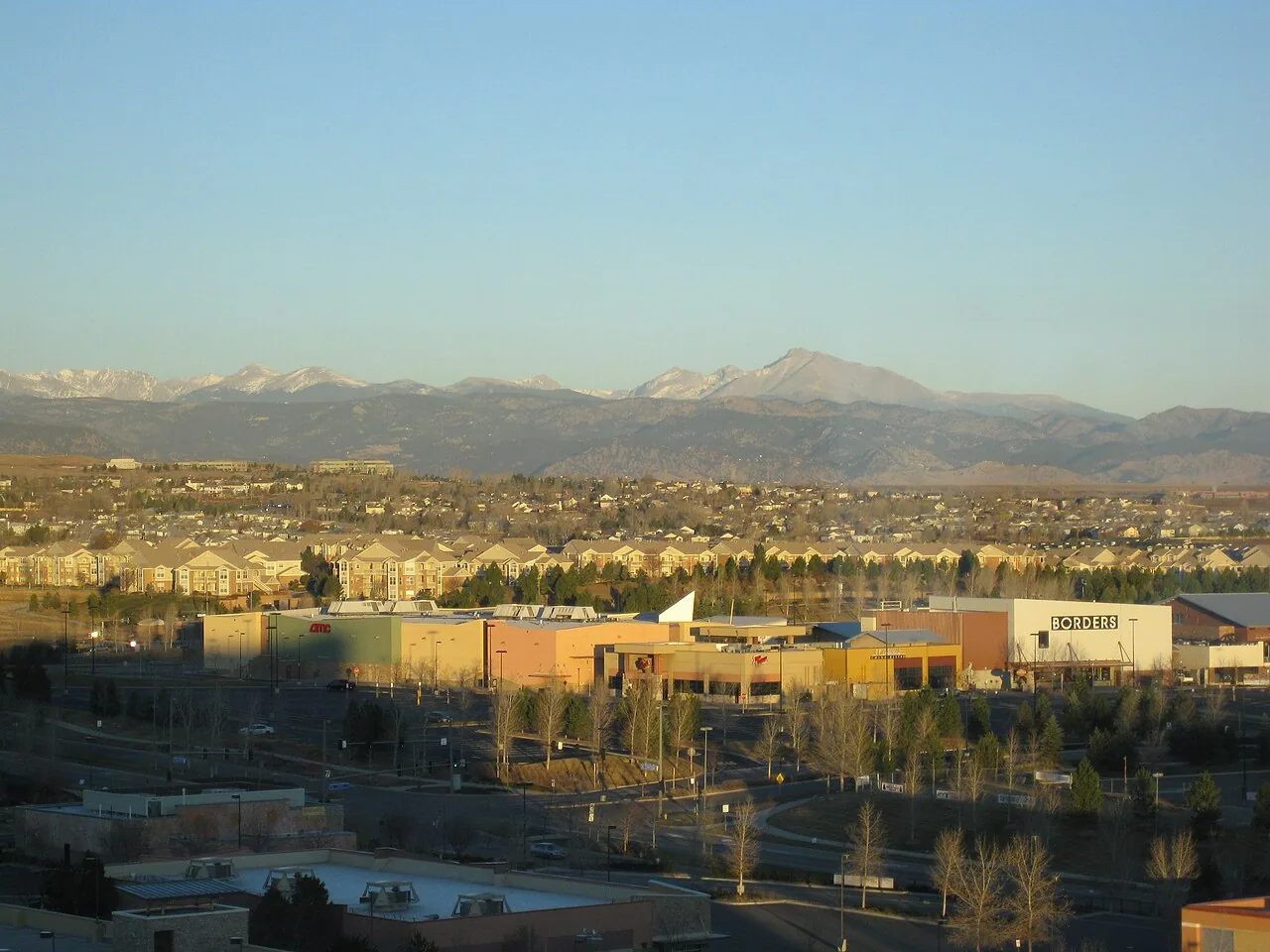
Commercial Roofing at FlatIron Crossing, Broomfield, CO
Coordinate roof inspection and repair at FlatIron Crossing in Broomfield, CO, with scope tied to tenant changes, access planning and verified conditions.
Owner Macerich has reported ongoing tenant moves and improvements at FlatIron Crossing, a regional shopping destination near US 36 and Interlocken Loop in west Broomfield. Those changes make roof access and interface review part of the property schedule. A tenant project may prompt a request to move equipment or review a flashing detail, but the actual condition and work remain specific to the building and roof zone. We check the current drawings and inspect before setting the scope.
The adjacent 25-acre HiFi plan includes 345 multifamily units and 75,000 square feet of dining, retail and entertainment space. That is development context, not evidence about a FlatIron roof or a shared construction boundary. We confirm any access, staging or sequencing effect with the property team.
Tenant change: verify every roof interface
A tenant improvement can change rooftop equipment, exhaust, intake, service route or opening dimensions. We request current mechanical and architectural details before any penetration is cut. The roof record identifies the existing curb, flashing, membrane and support, then states whether a new connection is compatible. If the tenant plan is not final, the scope lists the unresolved dimension or load and assigns a decision date.
FlatIron Crossing sits near the US 36 corridor and Interlocken Loop. Arista is a separate Broomfield mixed-use district beside US 36, with its own office and future medical context. The Broomfield Urban Transit Village is another redevelopment area near US 36 and Wadsworth Parkway. Each property has separate ownership, access and roof evidence.
For a first inspection, we confirm address, roof access, work authorization, tenant hours, equipment schedule and any restricted interior area. We record seams, edges, wall transitions, drains, curbs, patches and any area we could not reach. A commercial roof inspection ties photos to the location and distinguishes visible defects from open questions.
Public access: plan staging around the active property
A shopping destination has public routes and tenant activity that can change through the day. We ask management to confirm doors, parking limits, delivery periods, event schedules, pedestrian paths, lift placement and material staging. The access plan names the person who can approve a temporary change and the time the affected area returns to normal use. A mall address alone does not establish how crews enter or where a lift can stand.
Where a repair takes place above a tenant entrance or common route, we map the barrier and overhead-protection boundary before tools or material move. A roof phase can be isolated without assuming the rest of the center is vacant. If an area cannot be closed, we review a different work window or sequence. Occupied-building sequencing can define notices, daily turnover and protection below the active roof section.
HiFi’s planned housing, dining, retail and entertainment uses are adjacent project facts, not a construction schedule for FlatIron Crossing. If the two projects require a shared route or temporary staging agreement, the owner confirms that coordination separately. We keep the roofing work boundary within the approved parcel and document any access dependency before pricing mobilization.
Condition review: test only what affects the decision
Water entry may appear in a retail space below a drain, curb or wall transition that is not directly overhead. We compare the report with the roof plan and inspect nearby details. A limited seam or flashing failure can support repair when surrounding material remains sound. Wet insulation, repeated entry or widespread attachment concerns can lead to a test opening or broader renewal review. The report states the boundary and what evidence would change it.
Drainage review starts at the inlet and follows the visible path toward its discharge. We note debris, standing water, membrane condition and any blocked or damaged component. If the concern appears only after rainfall, a follow-up inspection or controlled flow check may be needed. Drain and scupper work can be scoped to the confirmed area.
NWS reported hail and roof damage along a May 30, 2024 storm track that crossed Thornton and Northglenn. That record is regional context; it does not establish exposure at FlatIron Crossing. If the property reports hail, we inspect its actual roof surfaces, edge metal and penetrations, then photograph visible findings. A storm report can change inspection timing, not substitute for field evidence.
Scope and capital: price the verified condition
Repair cost depends on the affected area, material compatibility, roof access, edge or curb detail and protection below. Replacement adds removal depth, insulation, cover board, deck condition, disposal, staging and the number of tenant zones released. We separate measured work from allowances and list concealed conditions that could change the price. A complete option shows where a tenant project affects sequencing without mixing its interior scope into the roof quantity.
Where a roof remains in service, a repair can protect an isolated section while ownership plans a larger capital project. If moisture or recurring leaks appear beyond that boundary, testing can clarify whether a recover or replacement is supportable. A defined repair documents the condition and restoration detail; replacement planning shows removal, new assembly and daily close-in assumptions.
At the Denver station, February's long-term snowfall figure is 7.8 inches; January's is 6.5. Those averages belong to Denver, not Broomfield. We plan seasonal access with the property team, then check forecast, surface conditions and material limits before opening a roof area.
Asset file: connect tenant work with roof history
Closeout identifies the building, tenant area served, roof-zone map, work completed, materials, photos, drain observations, access limits and outstanding actions. If a temporary repair remains, we state the follow-up trigger. The file can also note a curb or opening changed during tenant work so the next facilities contact knows which details require review.
West Broomfield has other active planning contexts. Arista’s development profile and the city’s Broomfield Transit Village plan describe different projects; they do not establish roof conditions at the mall. For FlatIron, a dated condition record retains the inspection limits. Capital planning can compare confirmed repairs with tenant-improvement and renewal windows while keeping each roof asset separate.
Send the current tenant improvement drawings, roof plans, access calendar, leak history and capital deadline. We will inspect the assigned zones, identify the interfaces that need confirmation and return options that match the property’s operating schedule.
Commercial Roofing Questions
Do reported tenant improvements mean the roof needs replacement?
No. A tenant change may require a specific curb, flashing or equipment review. We inspect the affected zone and compare its condition with the surrounding assembly before deciding on repair, testing or renewal.
What should be confirmed before rooftop equipment moves?
Confirm the new load, curb size, opening, support detail, access route and flashing requirement. We compare those documents with the installed roof and identify any review needed before cutting or fastening.
Can roof work continue while the center is open?
The sequence depends on lift access, tenant hours, delivery routes and public protection. We define the barrier, work zone and handback point with management before the crew enters the area.
Does the regional hail report establish damage at FlatIron Crossing?
No. It records hail and roof impacts on a route through Thornton and Northglenn. An inspection at FlatIron Crossing is needed to document its actual condition.
How should an owner compare repair with a capital replacement?
Use the same roof-zone boundary, confirmed quantities, test limits, access controls and concealed-condition assumptions for each option. We identify the finding that moves the recommendation from repair to renewal.
Coordinate roof work with tenant improvements
Share current tenant drawings, roof plans, access rules, leak reports and the capital calendar. We will verify the affected zones and document which interfaces or tests control the scope.
Call 555-555-5555 or send the form and we will set up a visit.