
Commercial Roofing at Pulse 25, Thornton, CO
Review commercial roofing at Pulse 25 in Thornton, CO, with inspection and repair plans tied to the warehouse listing, roof evidence and I-25 access.
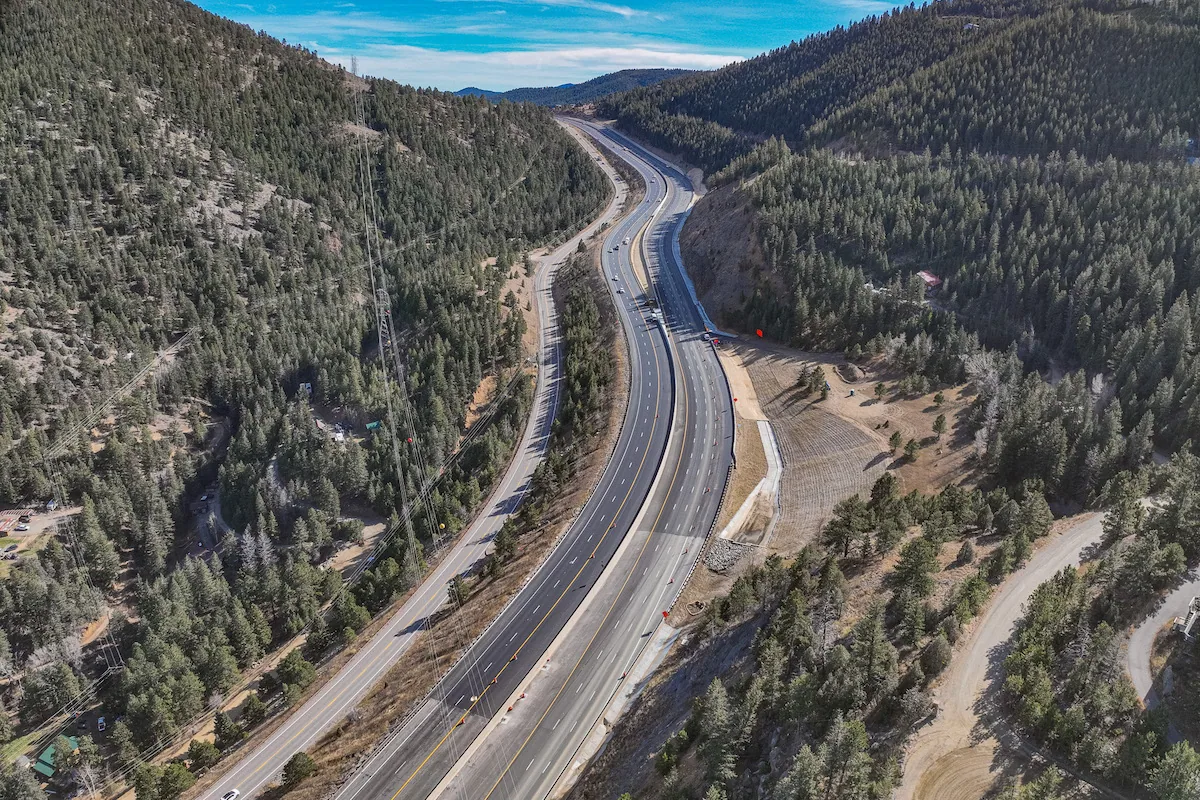
Pulse 25 is listed as a 134,290-square-foot Class A industrial building at 15165 Washington Street, fronting I-25 in Thornton’s north industrial submarket. The listing describes warehouse use and access to a regional labor pool and nearby amenities. None of those details establish roof area, membrane type, drainage performance or current condition. We verify the property and roof records first, then inspect the relevant zones and tie the recommendation to what is observed.
Warehouse operations can make roof access a scheduling issue even when the work is above the floor. The facility contact identifies shift hours, loading routes, tenant limits and any equipment that cannot be interrupted. We use those facts to set staging, lift access and daily close-in, rather than assume a property listing contains a usable work plan.
Asset identity: verify the roof behind the listing
The published building area is not a roof takeoff. We check approved plans or field dimensions for roof boundaries, edges, drains, curbs, penetrations and distinct sections. If the property contains multiple access points or work zones, the inspection record names each building area separately. A current drawing set, leak tickets and repair history help us target the first walk without treating unverified descriptions as field evidence.
Pulse 25 is one industrial property in the north Thornton market. Innovate 25 has published dock-high and drive-in door features for its Phase I buildings, and 25 North Business Park lists planned flex and distribution uses. The North Washington Commerce Center is another distinct industrial address with multiple I-25 access points. Each property requires its own roof map, contact and access approval.
During a site visit, we photograph the roof surface, seams, wall transitions, curbs, perimeter and drainage points. We compare interior reports with the area above and nearby penetrations. A commercial roof inspection records confirmed findings, inaccessible areas and questions that could change the next action.
Warehouse risk: connect leakage with operations
Water above inventory, controls or a loading zone may affect a different operation than moisture over an open warehouse aisle. The owner identifies sensitive spaces and any product-handling constraints before work. We mark the reported room, roof zone, likely travel paths and temporary protection needed below. If the entry point remains uncertain, the scope can call for a defined test or additional monitoring before removal quantities are set.
Warehouse use alone does not establish what is stored, where equipment sits or whether a leak has affected stock. We document only conditions the facility confirms or inspection reveals. A puncture, open flashing or isolated seam may allow a targeted repair when surrounding membrane and attachment are sound. Wet insulation, repeated entry or widespread bond loss can shift the decision to testing or broader replacement.
An NWS account dated May 30, 2024 places Thornton and Northglenn within a hail track where stones reached one to two inches and roof impacts were observed. That entry can inform an exposure review; the condition at Pulse 25 still comes from inspection. Hail review can document impacts by zone and separate visible marks from conditions that need further confirmation.
Scope and price: identify the drivers before approval
A repair estimate depends on access, the defect boundary, compatible materials, flashing transitions and conditions at the substrate. A renewal estimate also includes removal depth, insulation, cover board, deck repair, drains, edges, equipment supports, disposal, staging and the area available each shift. We separate measured quantities from allowances and state what happens if concealed conditions differ from the inspection record.
A recover is not an automatic shortcut. Existing layers, moisture, attachment, drainage, edge height and permit scope must support the added assembly. For covered building changes, Thornton uses code editions adopted in 2024. Its updated energy and readiness rules took effect July 1, 2026, so we verify the applicable requirements against the permit documents before confirming an assembly. We confirm the applicable rules for the work and filing date before finalizing insulation or assembly assumptions. Repair work and replacement planning remain distinct options until the evidence is sufficient.
When warehouse activity continues, we discuss access windows with operations. A lift may need a reserved position, loading doors may stay open and material delivery can require a protected route. Occupied-building sequencing can set the boundary between a roof work zone and active floor operations.
Weather control: protect open roof zones
NOAA's Denver monthly table puts the long-term snowfall average at 6.5 inches for January and 7.8 for February. A separate NWS report for the November 2024 Front Range system records 18 to 36 inches across parts of metro Denver. Both figures are regional; neither measures the surface or roof at Pulse 25.
Adams County's hazard guidance places the Front Range tornado season between mid-May and mid-August. We use that calendar to name the alert contact and roof-clearance authority. Before a winter shift, the facility and crew lead confirm access, roof condition, material limits, forecast and the maximum area that can be closed in before work stops.
If snow, wind or precipitation changes the planned sequence, the manager receives the status of the secured roof zone and the next release point. The operations calendar should show which loading or staffing plan is affected, so weather protection and warehouse activity stay coordinated.
Maintenance handoff: carry forward a clear condition record
After inspection or repair, the report should identify the building, roof zone, date, photos, material installed, tested boundary and unresolved issue. We state whether the defect was corrected, needs monitoring or requires a second visit. Drainage observations identify the point reviewed and whether a separate cleaning or flow check remains. The property team can file the record with roof plans and later compare a new leak to prior evidence.
The North Thornton industrial submarket includes properties with distinct operation and access details. That variation makes asset-level records useful: a finding at Pulse 25 should not be applied to Innovate 25 or 25 North. A dated condition report preserves the evidence, and capital planning can rank verified work by exposure, timing and budget window.
Send roof drawings, access instructions, leak locations, current operations calendar and any permit or capital date. We will inspect the defined areas and return the repair, testing or renewal path with assumptions and open decisions stated.
Commercial Roofing Questions
Does the 134,290-square-foot listing give the roof area?
No. It identifies the listed building area. We confirm the roof dimensions from plans or field measurement and account for edges, openings and separate zones before estimating quantities.
Can roof access be scheduled around warehouse activity?
Yes, after the facility confirms shift hours, deliveries, loading routes and restricted areas. We assign lift and staging windows, then identify how each roof phase is secured and released.
Will one hail report establish the condition at Pulse 25?
No. The NWS account documents a storm crossing Thornton and Northglenn. We inspect the actual property and record visible findings, reported leakage and any test needed to confirm concealed impact.
What would make replacement more practical than repair?
The recommendation changes when evidence shows broader moisture, recurring leaks, attachment problems or deterioration beyond a bounded defect. We document what is confirmed and what test could alter that threshold.
What should warehouse staff expect during the work?
The access plan identifies affected zones, delivery and lift windows, temporary protections, daily close-in and the contact for a schedule change. Closeout notes the area secured before operations resume.
Tie a roof decision to warehouse operations
Share the roof plan, leak history, access rules, operating calendar and capital target. We will verify the roof zones and return a scope the facility can schedule.
Call 555-555-5555 or send the form and we will set up a visit.