
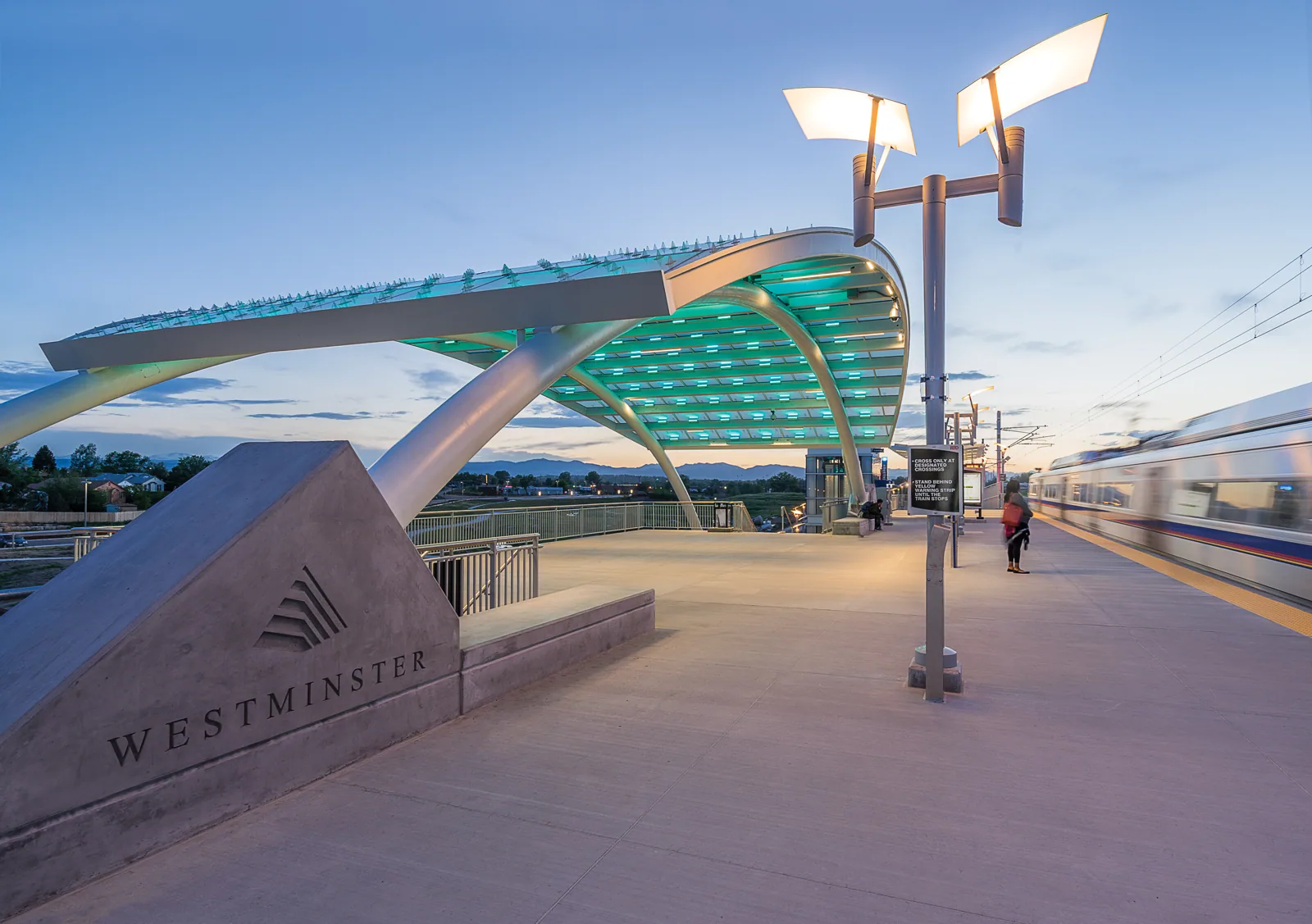
Commercial Roofing at Westminster Station Area, Westminster, CO
Coordinate roof repairs and inspection in Westminster Station Area, Westminster, CO, with scope matched to rail access, local businesses and roof evidence.
Locally owned businesses, restaurants, RTD B Line rail, bus stops and public parking appear in the Westminster Station Area. The district sits near US 36 and Federal Boulevard at Westminster’s southern gateway. That mix makes access and operating hours part of a roof scope, but it does not tell us how an individual building is constructed. We verify the address, roof zone, tenant contact and access route before recommending repair, testing or replacement.
The city also highlights Colorado Sound recording studios, restaurants, apartments and an arts-focused redevelopment vision. These are area features and planning context. We do not assign a roof condition or system to a named business without a direct property review.
Station access: confirm the roof route before mobilizing
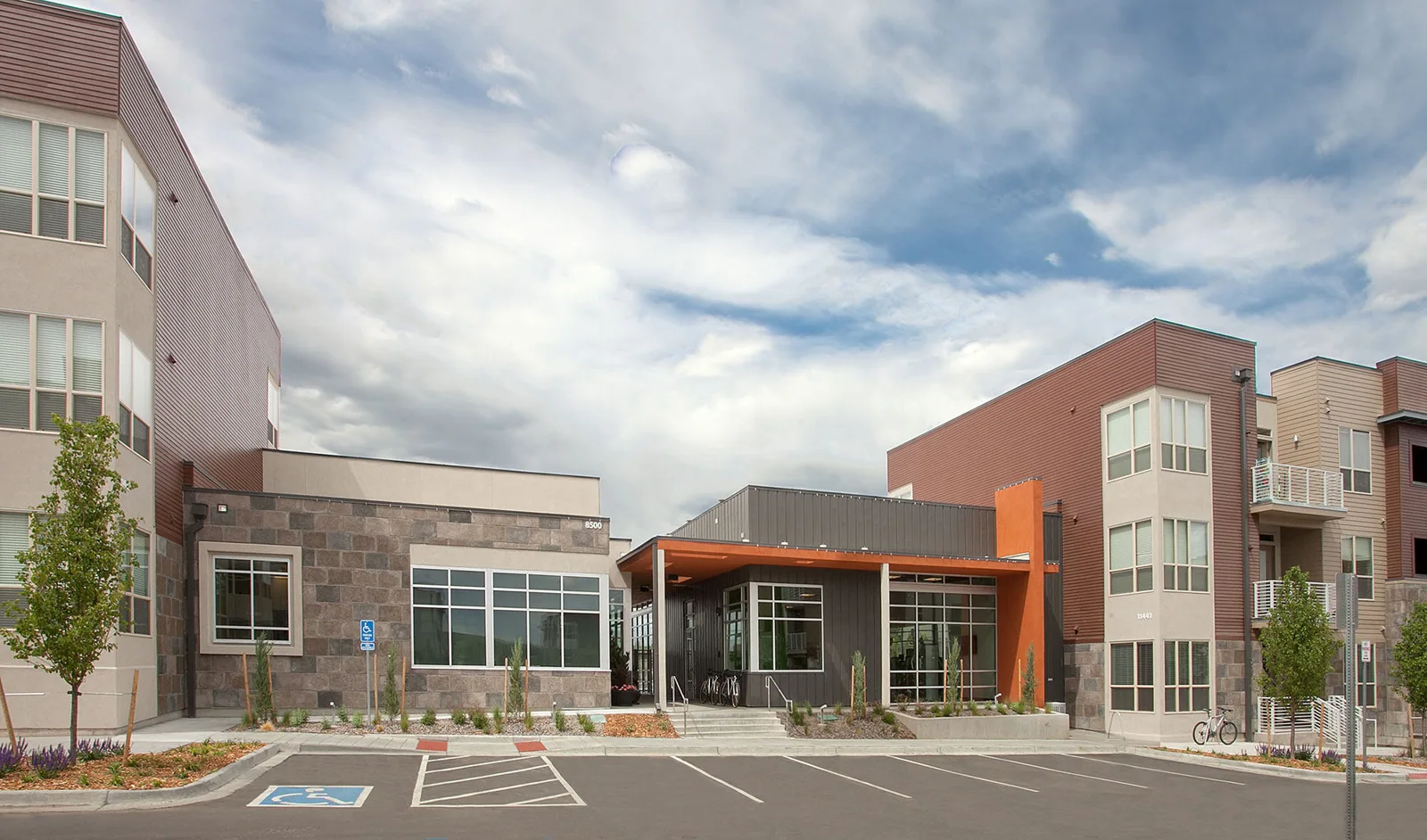
Transit service and public parking help locate the district; they do not establish where roofing material can be unloaded. We ask the property manager for the gate, roof hatch, staging boundary, delivery hours, lift restrictions and any path shared with pedestrians. If a tenant or station-area event limits access, the work plan identifies who can approve a revised route and when the area must reopen.
Downtown Westminster is a separate redevelopment district on the former Westminster Mall site. Downtown Westminster has its own planned retail, housing and public-space program. Broomfield Urban Transit Village is also near US 36 but lies by Wadsworth Parkway in another city. That redevelopment area is a separate property context from Westminster Station.
For an existing building, we review available roof plans, leak tickets, repair history and equipment changes before the walk. Diligence Notes record visible seams, flashings, penetrations, edges and drainage points by zone. A commercial inspection can identify what is confirmed and what test or follow-up would change the decision.
Business hours: protect the operation below
A restaurant or recording studio may have sound, ventilation, delivery or occupancy needs that affect roofing hours. We ask the tenant and property contact which rooms or equipment cannot be interrupted, what notice is required and whether an interior area needs protection. The access plan assigns the person who can authorize a shutdown or move a work phase. The site’s cultural or transit identity does not replace a building-specific operating calendar.
Water above a restaurant may enter at a kitchen exhaust curb, drain, seam or wall transition; above a studio, interior sensitivity may make an active leak urgent even when the roof defect is small. These are possible roof interfaces, not a claim about the equipment at a particular address. We inspect the actual detail, compare it with the reported room and record the likely travel path. If the source remains uncertain, we define a moisture survey or opening and state its restoration method.
When occupants remain in place, each work phase sets a daily close-in point, barrier boundary, material route and handback. Occupied-building work sequencing can keep the property contact informed as a roof zone moves from inspection to repair and back to service.
Storm readiness: distinguish regional history from site findings
The May 30 NWS entry documents roof impacts and one- to two-inch hail in the Thornton and Northglenn area. That regional report does not establish exposure or damage at Westminster Station Area. If a tenant reports a storm impact, we inspect the roof at that address, photograph visible conditions and identify whether a test could change the repair boundary. The date and location in a regional report remain separate from the property’s condition record.
Adams County identifies tornadoes as a local hazard and lists the Front Range’s peak period from mid-May through mid-August. That seasonal guidance supports a contact and roof-clearance plan. The day’s forecast sets the actual work decision. Denver’s January and February snow averages are 6.5 and 7.8 inches. Those Denver statistics are regional context, not a Westminster snow measurement. Before a winter shift, we check the actual access route, surface condition and system limits.
A public district can have changing traffic and event schedules. We confirm current closures, pedestrian routes, deliveries and lift placement before materials arrive. If weather stops work, the property manager receives the secured roof area and the next planned release point.
Repair planning: price the area supported by evidence
A defined seam, flashing or puncture defect can support a repair when the surrounding assembly remains suitable. Repeated leakage, moisture across multiple areas or failing attachment may point to testing and replacement. We map the defect, compare it with repair history and note which evidence could widen the scope. This lets an owner protect an active tenant area while keeping a larger renewal decision tied to a separate condition review.
Cost depends on measured area, membrane or metal compatibility, access, interior protection, edge work, drains, insulation, deck condition and the amount of staging needed near public routes. We separate verified quantities from allowances and identify any condition that may change price after opening. Drain and scupper repair can be estimated by confirmed defect; a localized roof repair shows preparation, material and limits.
Denver climate normals describe meaningful winter conditions, but do not set a roof’s remaining service life. We use the season to plan close-in and access, then confirm the forecast, substrate and material limits on the job date. If a broad replacement is more supportable, the owner receives the removal depth, assembly details and work sequence needed for a capital decision.
Record handoff: keep each tenant report traceable
Closeout identifies the address, building, roof zone, observed details, photos, materials, test limits and remaining action. We link each tenant call with the area inspected, but keep separate spaces and roofs distinct. If an interim measure remains, the report lists who monitors it and what event triggers follow-up. A future manager can then compare new water entry with the prior work boundary.
The Station Area combines rail, bus, public parking, businesses and an arts-oriented redevelopment vision. A dated condition report preserves field observations and access limits without treating the entire district as one asset. Capital planning can carry the verified scope into a tenant or ownership budget cycle while keeping open items visible.
Send the business address, tenant schedule, roof plan, leak history, access restrictions and decision date. We will inspect the agreed zones and return the immediate action, longer-term option and any test needed to settle the scope.
Commercial Roofing Questions
Does RTD access establish where a roofing crew can stage?
No. Transit and public parking locate the district, but the property manager confirms gates, deliveries, lift placement, public paths and roof access for the actual building.
How do you schedule work near restaurants or recording studios?
We confirm operating hours, ventilation needs, sound-sensitive periods, deliveries and interior protection with the property contact. The sequence identifies barriers, close-in and the handback point.
Does the Thornton-Northglenn hail report show damage at this station area?
No. It documents conditions along a separate storm route. We inspect the Westminster address and record visible effects or the test needed to establish concealed damage.
Can a roof repair be limited to one business?
It can when the defect and adjacent assembly have a clear boundary. We check shared drains, walls and seams, then state the exact roof section and access approval required.
What should the property manager receive after the work?
The record should identify the address, roof zone, photos, repair materials, access limits, test boundaries and open actions. We note temporary protection and the next review trigger.
Tie the roof visit to the business and access calendar
Share the address, tenant hours, active leak, roof records and access instructions. We will inspect the defined zones and return a scope the property team can schedule.
Call 555-555-5555 or send the form and we will set up a visit.