
Commercial Roofing at Thornton Business Park District, Thornton, CO
Plan commercial roof work in Thornton Business Park District, CO, with scope based on verified building use, access, code review and roof condition.
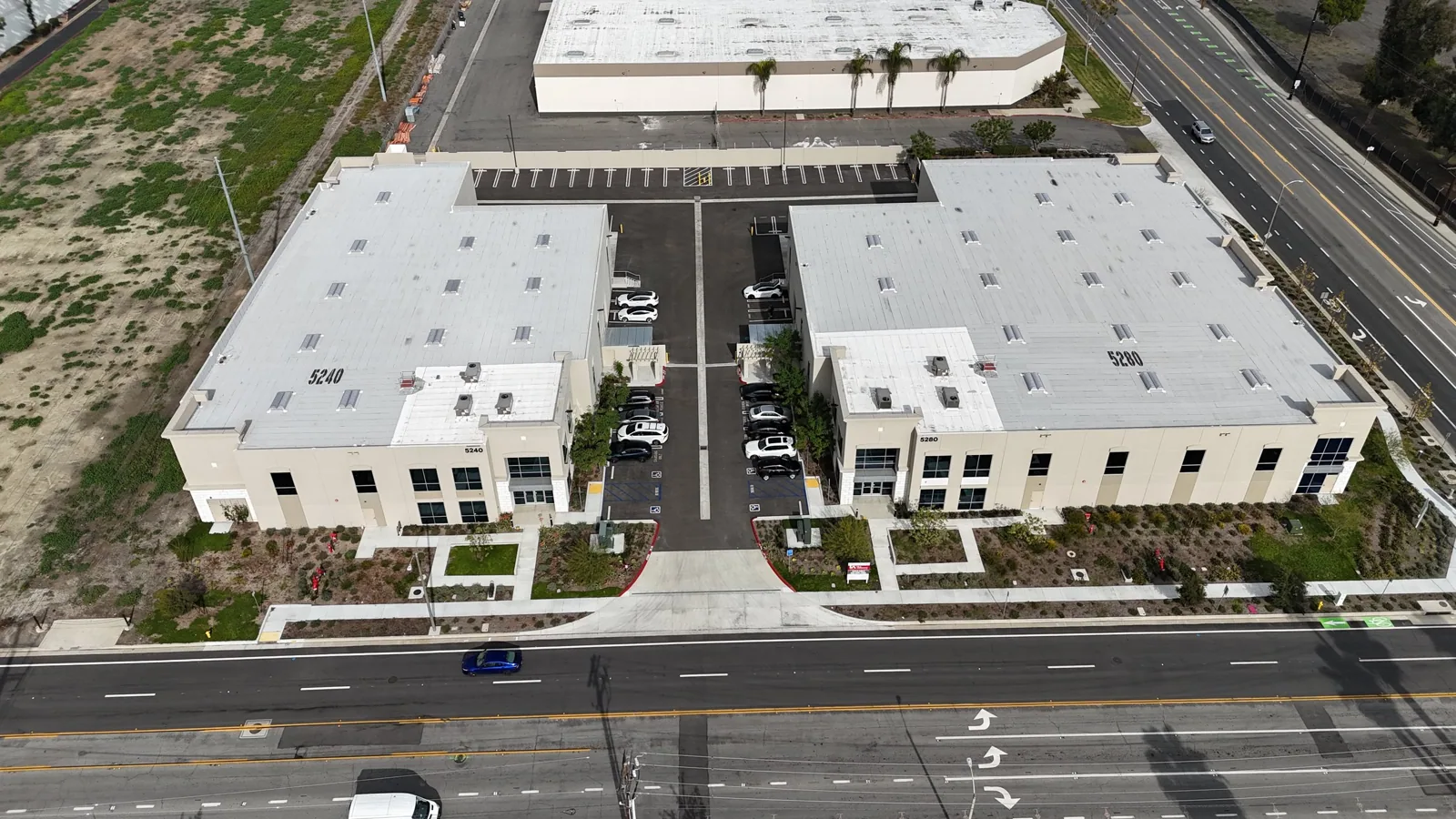
Office, clinic, industrial, transport, warehouse and hospital uses are allowed within Thornton’s Business Park district. That range matters to a roof scope because operating hours, equipment, access and interruption limits differ by building. The district is intended to cluster primary-employment campuses, but the designation does not tell us which use occupies a specific parcel or what assembly is above it. We confirm the address and current operation, then inspect the roof before setting the repair or capital plan.
Thornton limits higher-intensity warehouse uses to areas along I-25 and E-470. A corridor rule is not an inventory of individual buildings. We separate the land-use framework from field evidence and document the exact roof zones, details and access constraints that govern the work.
Permit context: check the project, not the district label
Owners planning roof changes should align the scope with the permit application, building use and actual assembly. Thornton's permit desk applies code books adopted in 2024 to covered new-building and existing-structure work. Energy, electric-ready and solar-ready standards followed on July 1, 2026. We check the planned assembly, roof height, drainage and equipment details against the permit date before carrying code assumptions into the scope.
District policy and project requirements serve different purposes. Thornton Business Park allows a mix of employment uses, while 25 North Business Park identifies planned warehouse, distribution, showroom, flex, manufacturing and food-production uses on a particular 70-acre park. North Washington Commerce Center is a distinct industrial property with its own access and operating facts. Neither page substitutes for the parcel and plan under review.
During the initial review, we compare available roof plans and repair history with the visible roof surface, edges, seams, flashings, penetrations and drainage. We note what can be confirmed and what needs a test or opening. A commercial roof inspection establishes that starting record before a contractor prices broader work.
Facility operations: assign boundaries before work starts
A clinic may require a different access window from a warehouse, and office tenants may have restrictions around noise or air intakes. We ask the facility contact for hours, equipment schedules, loading routes, sensitive rooms and areas that cannot close. These details become a work sequence with staging positions, daily close-in limits, communication contacts and a handback point. We do not assume that a district-wide plan authorizes access to a particular roof.
On a medical or hospital building, rooftop mechanical equipment may serve critical spaces. We identify affected curbs, intakes, exhausts and supports, then coordinate shutdown or protection only with the responsible facility staff. For an industrial property, the same walk can instead focus on production routes, overhead handling, truck movement and roof penetrations. Curb and support work should remain coordinated with the equipment schedule and roof assembly.
Thornton’s May 30, 2024 hail event crossed Thornton and Northglenn; the NWS summary recorded one- to two-inch hail and roof damage. A report can put a roof inspection on the schedule, but it does not establish damage at a Business Park property. We examine actual surfaces and details and tie each finding to the building record.
Condition to scope: test the areas that change the decision
Water entry may track from a seam, curb, wall transition or drain before showing inside a room. We compare the reported location with the roof above, adjacent details and known repair history. Photos and notes identify each roof zone. If moisture below the membrane would affect removal quantity, we define a survey or sample opening and explain what the result can establish. A limited test does not represent areas outside its boundary.
A repair fits a contained defect when surrounding material and attachment remain serviceable. Broad moisture, recurring leaks, failing seams or damaged deck can point toward testing and replacement. A recover has its own threshold: layers, moisture, attachment, drainage, perimeter height and code scope must support it. A repair scope addresses the verified defect; replacement planning defines removal, new assembly and related details.
Pricing is assembled from takeoff area and tear-off depth, then insulation, deck and perimeter work, rooftop interfaces, lifting, disposal and occupied-area controls. We separate confirmed quantities from allowances and list concealed conditions that may change the price. The estimate records exclusions and decision points beside each allowance. This gives a facility director a basis to compare immediate water control with a larger capital request.
Climate calendar: protect the close-in window
Denver’s monthly record puts February’s average snowfall at 7.8 inches and January’s at 6.5. In a separate event, portions of metro Denver received 18 to 36 inches during the November 2024 Front Range storm. Neither measure is a reading from a Thornton facility. We use seasonal history to ask about access, snow coordination and close-in, then plan against current site conditions and the shift forecast.
Adams County identifies tornadoes as a local hazard and notes the Front Range season peaks from mid-May through mid-August. Before work, the access plan names who receives alerts, who can stop work and how people leave the roof. Hail and severe weather can also change inspection timing. The day’s forecast, surface condition, material requirements and the ability to secure the exposed section determine whether installation proceeds.
For multi-shift projects, each closeout records the area opened, dry-in condition, equipment status and next planned work zone. If a facility’s operating schedule changes, we revise the sequence before moving crews or materials. Occupied-building sequencing can define those decisions for tenants and on-site staff.
Asset transfer: retain findings by building
A district may include several buildings under one owner, but each needs an individual roof record. The handoff identifies building and zone, inspection date, observed conditions, photos, work completed, test limits and remaining actions. If a repair is temporary, we state the follow-up owner and timing. If the condition record does not support a system-wide conclusion, that limitation stays visible for the next budget review.
The Business Park designation can help describe intended land uses, while the roof inventory should state actual use and access. A dated condition report records what was observed. A multi-site roof program can compare verified priorities across an owner’s portfolio without combining separate buildings or assumptions.
Share the parcel list, current building use, roof plans, leak reports, permit scope, work calendar and capital deadline. We will identify the roofs that need immediate protection, those ready for planned renewal and the open questions that could move either decision.
Commercial Roofing Questions
Does Business Park zoning identify the roof type at my building?
No. It lists uses allowed in the district and limits certain warehouse uses by corridor. We inspect the actual building and review its plans before describing the roof assembly or recommending work.
What changes when roofing work is near a clinic or hospital?
Access, noise, air intakes, equipment schedules and sensitive areas need coordination with the facility contact. We record those limits and sequence the roof zones around approved operating windows.
Can an existing roof be recovered instead of removed?
Only if the layers, moisture, attachment, deck, drainage and project requirements support it. We document the confirming evidence and price removal as a separate option when concealed conditions remain uncertain.
How should multiple Business Park roofs be prioritized?
Keep a separate condition record for each building, then compare active leaks, safety exposure, remaining serviceability, access and capital timing. We identify the evidence and unresolved tests behind each priority.
Which code year applies to a roof project?
Start with the permit package and work boundary. Thornton revised building rules in 2024, then activated updated energy provisions on July 1, 2026. We check the filing date and assembly changes before assigning code assumptions.
Prioritize buildings from verified roof evidence
Send the site list, current uses, roof plans, access calendar, leak reports and budget date. We will document each building separately and identify the next scope decision.
Call 555-555-5555 or send the form and we will set up a visit.