
Soprema Commercial Roofing in Thornton, CO
Compare Soprema roofing assemblies, restoration options and installation timing in Thornton, CO, with inspection evidence separated by roof zone.
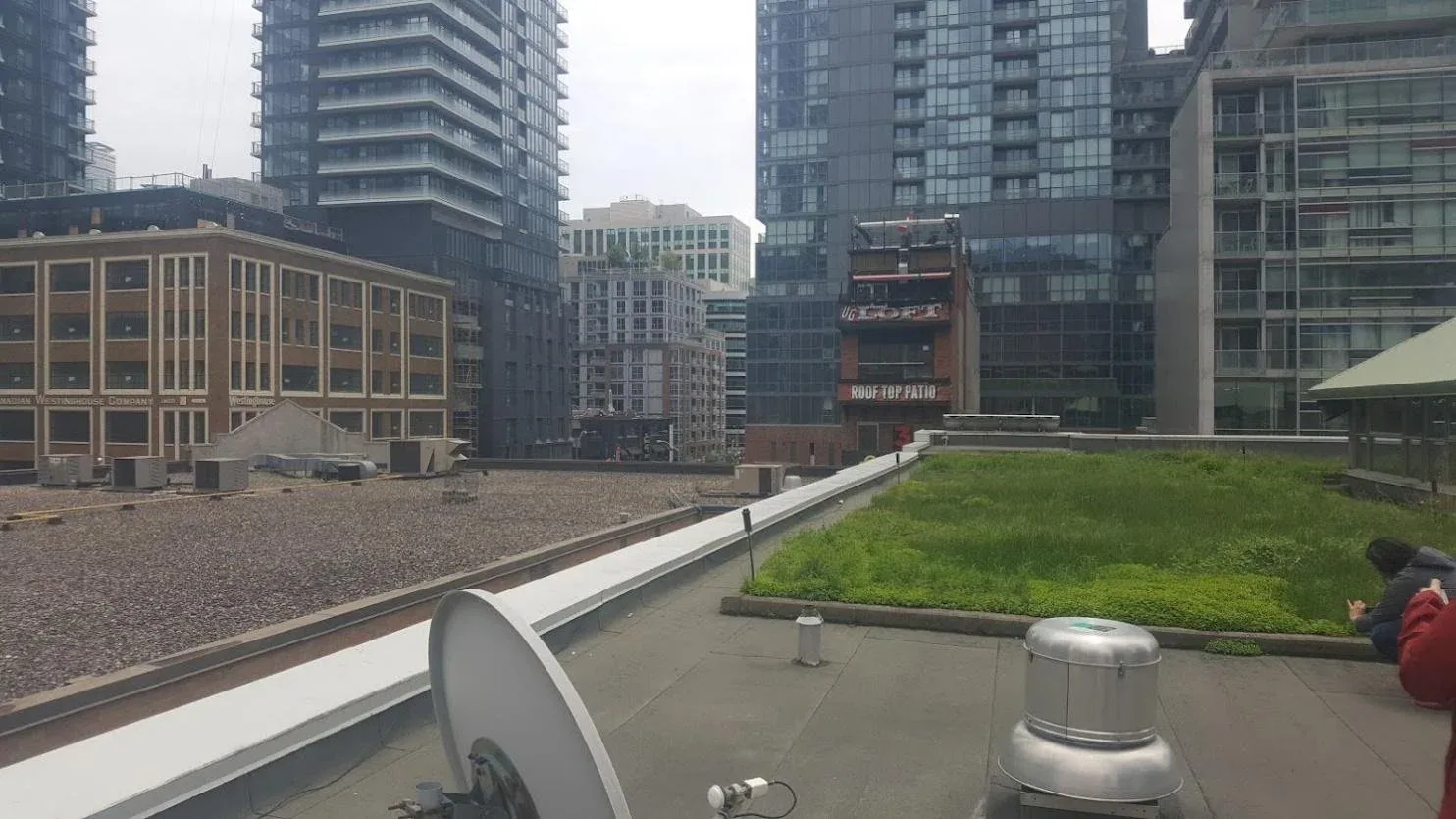
A roof with several repair generations needs a layer decision before a new membrane is priced. Soprema offers commercial roofing assemblies that include modified bitumen, single-ply and liquid-applied system categories. We inspect the existing construction and identify what is known, what needs testing and where a repair remains a reasonable reserve item. That separates a product choice from the more important question of which roof zones need work.
Thornton’s building calendar can tighten during storm response or seasonal work windows. We align the inspection, any sample openings and the installation sequence with the facility’s access rules. The final scope records materials, detail transitions, close-in targets and owner decisions that remain open.
Layer review: identify the condition below the surface
We map the roof areas, note visible surfacing and membranes, photograph prior patches, check drains and flashings, and look for signs of movement or moisture. If a proposed overlay depends on the existing system, a test cut or moisture survey may be needed. The sample location and restoration detail are stated first. We use its result only for the area it represents unless additional inspection supports a broader conclusion.
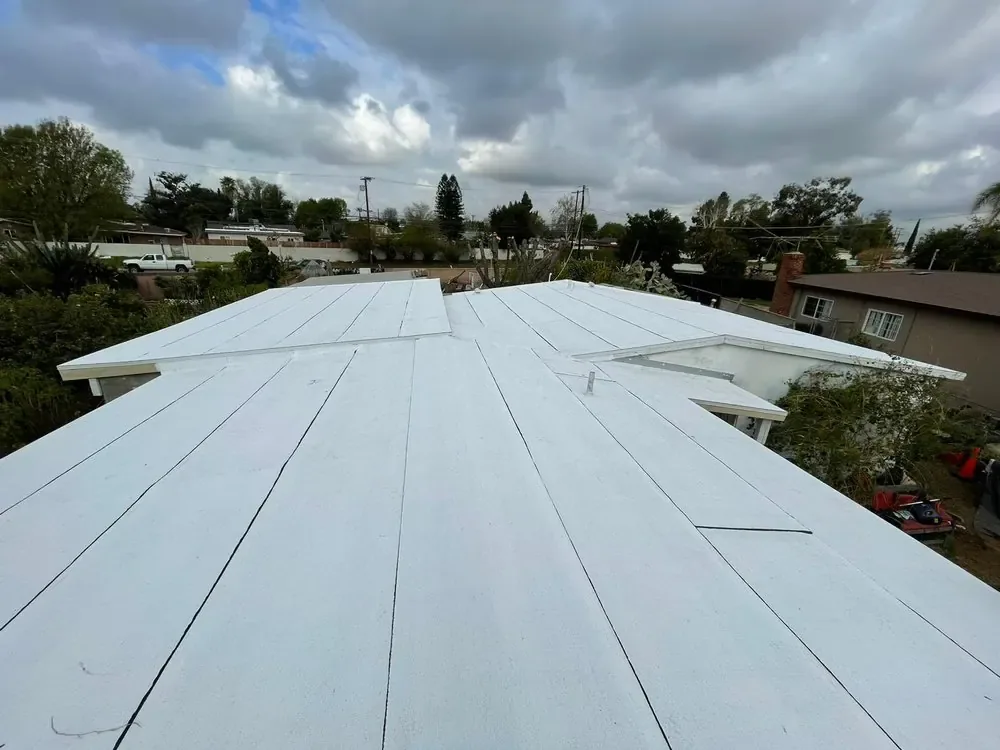
Modified bitumen uses reinforced asphaltic plies and system-specific surfacing and flashing. A single-ply assembly depends on membrane attachment, seam work, perimeter details and compatible transitions. Liquid-applied systems rely on prepared substrate, specified reinforcement and controlled film build. We compare these options with the roof shape, existing layers, penetrations, access and maintenance requirements. The chosen Soprema category is documented with component and detail requirements.
The Baseline Flex Industrial Complex is planned as build-to-suit flex space within a broader mixed-use district. Broomfield Town Square is a planned infill destination near Main Street and 120th Avenue. Their planned uses differ, so roof access and project timing may follow separate construction or occupancy schedules. Neither planning description identifies the roof type. We verify the actual building and work area before proposing an assembly. Baseline Flex Industrial Complex and Broomfield Town Square add local context to the planning conversation.
Assembly comparison: match the system to its role
Some roofs call for a layered assembly with multiple plies and defined surfacing. Others may support a single-ply membrane or an approved fluid-applied restoration. The decision depends on existing material, deck, drainage, exposure, foot traffic, rooftop equipment and the project’s permit scope. We also consider whether a system can be installed within the facility’s schedule and close-in limits. The owner may also compare Holcim Elevate or Johns Manville against the same assembly assumptions.
A coating or liquid-applied approach must begin with a substrate that can accept it. We inspect adhesion, existing coating, moisture, repairs, flashing and surface preparation needs. If the original membrane has a widespread attachment or moisture problem, coating the surface may not address the source. Roof coating restoration can be evaluated after those checks; modified bitumen is another option when the existing assembly and project design support it.
Thornton’s 2024 International Building Code and Existing Building Code apply to covered permit applications. Updated energy-code provisions took effect July 1, 2026. We identify code questions early if the work changes insulation, assembly layers or the roof’s use. A permit determination should use the actual scope and date, not a generic product description.
Repair threshold: keep the immediate work specific
A split, blister, puncture or failed flashing can be localized, but the repair boundary should include the substrate and adjacent material. We photograph the location, note the likely failure path and identify any test needed to establish moisture extent. If a recurring repair is likely to fail again, the owner should see the cost and timing of a broader correction rather than another patch with no explanation.
Thornton’s May 30, 2024 hailstorm crossed the city and Northglenn, with NWS reporting hail and roof damage. A storm history helps prioritize a building inspection, but the roof must still be evaluated on its own evidence. We distinguish visible impact, reported leakage and unconfirmed concealed effects. A hail-damage review can capture those conditions. Immediate leak response remains separate from permanent restoration or replacement.
Where several roof sections have different histories, we do not combine them into one condition rating. A repaired zone may remain stable while another needs testing. A property manager can see which action is urgent, which is scheduled and which condition would change the order. That division helps protect the repair reserve from being used as an unbounded replacement budget.
Installation sequence: coordinate preparation and close-in
For a Soprema project, preparation can include removing loose material, repairing substrate, drying the surface and replacing failed details. The scope sets the square footage or roof zones released, material staging, forecast requirements and each day’s close-in boundary. If removal exposes wet insulation or compromised decking, we document the finding and request an owner decision before expanding the work.
The November 2024 Front Range storm brought 18 to 36 inches of snow to parts of metro Denver, according to NWS. That regional report is not a measurement for Thornton or an individual roof. For scheduling, we verify the actual site forecast, surface condition and temperature requirements for the specified system. The project plan includes temporary protection and a return-to-work check after weather holds.
Occupied buildings need a ground-level work map as well. We coordinate deliveries, roof access, tenant notices, equipment restrictions and any noisy tasks. Occupied-building phasing defines which roof zones and interior areas are active. Inspection holds occur before layers are covered, so the facility team can review the work record while the details remain visible.
Closeout record: protect the next capital decision
At closeout, we identify the assembly installed, roof zones completed, inspection findings, photos, repair boundaries and any remaining action. Manufacturer documentation or warranty steps are confirmed for the chosen system and project. We do not assume a term, registration or eligibility. The asset file should show the actual materials and completed details so later maintenance starts with a useful baseline.
For a multi-building owner, the same reporting fields can make comparisons easier without combining unlike roofs. Inspection limits and observations remain with each recommendation, along with its basis, roof zone and date. A later budget review can carry confirmed repairs and system renewal forward without collapsing those decisions into one building rating.
Provide roof records, leak history, access rules, known assemblies and the capital deadline. We will inspect the areas in scope and return a Soprema system comparison with verified conditions and remaining questions clearly separated.
Commercial Roofing Questions
Which types of commercial systems does Soprema offer?
Its portfolio includes modified bitumen, single-ply and liquid-applied system categories. The appropriate assembly depends on the existing roof, substrate, project design, details and installation conditions. We verify the current product documentation for the proposed scope.
Can a liquid-applied system go over an older roof?
Only after the existing surface, moisture, adhesion, flashing and preparation requirements are evaluated. If the roof has wet insulation, unstable attachment or widespread deterioration, an application on top may not address the underlying issue.
What should a buyer compare in two Soprema estimates?
Compare the same roof zones, removal depth, insulation, cover board, deck assumptions, flashing, staging, close-in and inspection steps. We list exclusions and concealed conditions that could change quantities or timing.
How do you decide between a repair and a larger restoration?
We inspect the defect, adjacent material, prior repair record and moisture evidence. A limited, understood condition may support repair. Repeat failures or broader substrate concerns can require testing or renewal. The recommendation identifies the finding that changes the scope.
What records should remain after a Soprema installation?
Keep the approved assembly, installed materials, roof-zone photos, inspection records, closeout details and open actions. Manufacturer-specific processes are verified for the completed system rather than assumed from a product category.
Set the Soprema assembly against the existing layers
Send the roof map, repair record, leak reports, access schedule and capital date. We will inspect the defined zones and return system options with test needs and sequencing noted.
Call 555-555-5555 or send the form and we will set up a visit.