
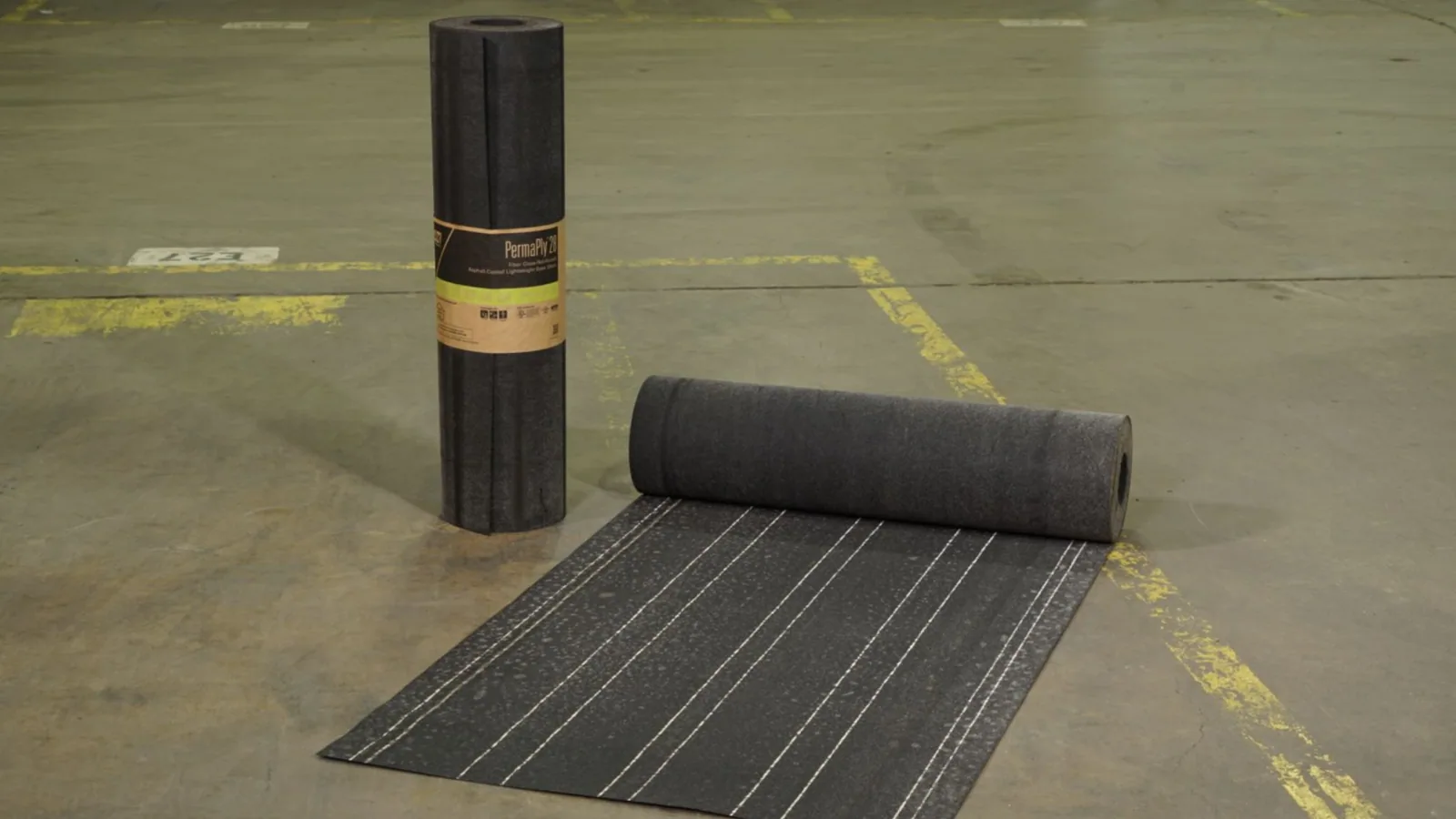
Johns Manville Commercial Roofing in Thornton, CO
Plan Johns Manville commercial roofing repairs or renewal in Thornton, CO, with assembly checks, insulation review and a documented close-in sequence.
A budget review set before spring can still leave the roof assembly unresolved. Johns Manville offers commercial roofing membranes, insulation and related components, but the project choice depends on what inspection confirms. We record the existing layers, moisture concerns, deck, edge conditions and access limits. The facility team can then compare a repair reserve with a larger capital request, using a roof-zone record instead of a broad condition label.
Thornton carries both warm-season hail exposure and winter scheduling pressure. We account for those local conditions when planning the survey and close-in, while keeping weather records distinct from findings at the property. The proposed system must fit the building, not just the target date.
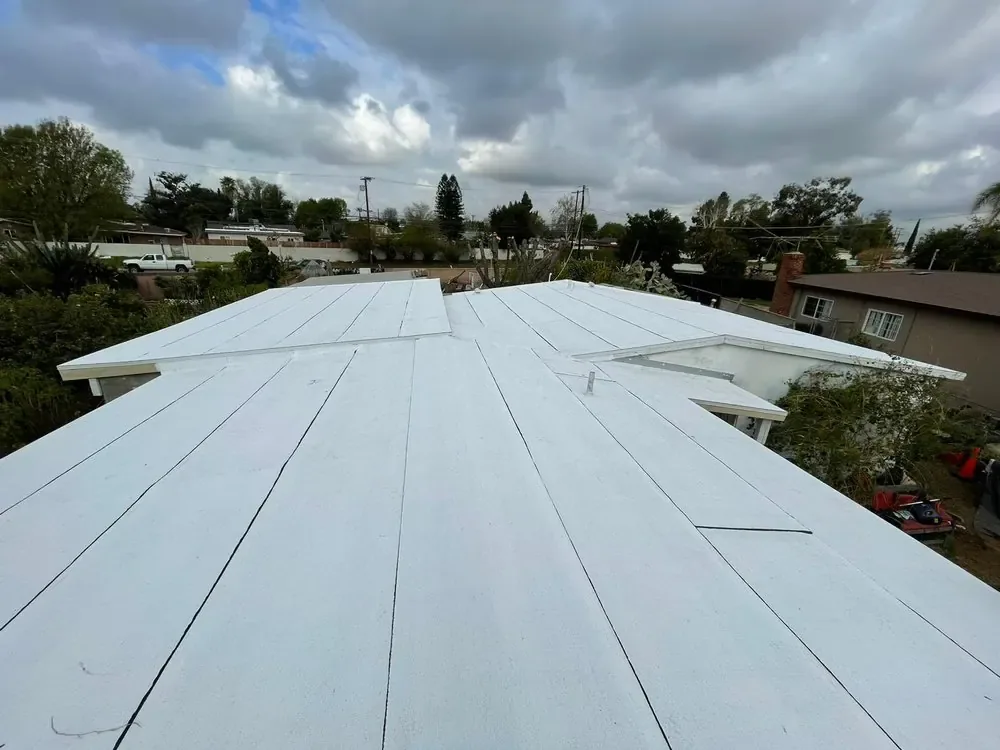
Performance review: identify what the assembly must do
The owner’s decision may involve water control, insulation, roof traffic, equipment work, energy requirements or a recurring repair area. We start with that operating need, then inspect the membrane, flashing, drains, perimeter and accessible interior. The assembly review shows where a product choice could affect the work and where the underlying deck or drainage path matters more.
Johns Manville provides commercial single-ply and built-up roofing materials, plus insulation components. We compare the available system categories against roof geometry, substrate, exposure, attachment needs and detail complexity. The specified layer order, fastening or adhesive approach, cover board and flashing materials belong in the submittal. A material list without transitions and terminations is not a complete scope.
Baseline Innovation District is planned for research and innovation users, while Pulse 25 is a warehouse property fronting I-25. These examples point to different operating patterns in the north metro. They do not establish roof types. For each site, we confirm vibration or equipment concerns, delivery hours, access procedures and whether the building can release roof sections during normal operations. Baseline Innovation District and Pulse 25 are local planning references.
Insulation and moisture: verify layers before pricing
Insulation condition can change the scope as much as the membrane. A roof may show a surface defect while moisture extends below it, or a test may find a limited area that can be addressed without replacing every layer. We mark sampled zones, test limits and restoration. A roof opening is authorized and detailed before the crew makes it. The result should influence a specific repair, recover or tear-off decision.
For a Johns Manville assembly, we identify the insulation type and thickness only when confirmed, along with cover board, attachment, deck and vapor-control assumptions where relevant. The cost schedule separates insulation replacement from membrane and sheet-metal work. If deck condition remains unknown, that exposure is visible as a project assumption. We do not convert a limited sample into a total quantity without evidence.
Thornton’s building-permit guidance identifies current 2024 code editions for covered work. Its energy-code change became operative on July 1, 2026 and includes Colorado electric-ready and solar-ready provisions. We tie those requirements to the permit date and scope, especially when an assembly, insulation layer or equipment plan changes. Infrared moisture testing can help target confirmation when conditions and the decision justify it.
Repair versus renewal: put the threshold in writing
We define a repair by the affected zone, cause, adjacent material condition, replacement patch dimensions and any follow-up observation. Repeated seam distress, soft substrate, wet insulation or deterioration at multiple transitions can move the threshold toward renewal. A recommendation should say which finding changed the decision. That makes a Johns Manville replacement scope easier to review against a separate short-term repair.
The May 30, 2024 hailstorm crossed Thornton and Northglenn, and NWS recorded hail damage to roofs. For a facility with reported exposure, we document visible impacts and interior reports instead of assuming a claim or replacement is warranted. Hail-damage roof review can capture the affected areas. If a leak is active, leak repair should define interim protection and the later permanent scope separately.
Owners may also compare a Johns Manville system with an alternate assembly. GAF commercial roofing and Soprema systems can be reviewed against the same deck, insulation, tear-off, flashing and close-in assumptions. If those assumptions differ, the comparison states why. A lower initial scope does not help if it leaves a known moisture condition unresolved.
Work window: protect operations and the roof opening
Removal sequencing depends on square footage, roof zones, tenant activity, delivery access, forecast, deck repairs and available dry-in materials. We schedule the work area and daily close-in points before tear-off. Staging needs can differ between a site with dock activity and a building with constrained roof access. The property contact confirms shutdown periods, lift routes, interior protection and after-hours rules.
The Adams County hazard calendar places the Front Range tornado window from mid-May into mid-August. It helps set the season for closer forecast review, but says nothing about a particular workday. We use current alerts and the site plan to decide whether crews can safely open a roof section. We confirm the forecast and establish a secure response for incomplete work. Winter projects require their own sequence, including material handling and protection through overnight conditions.
For an occupied facility, we divide the roof into manageable zones, keep tenant entrances and critical equipment routes clear, and coordinate noisy or disruptive tasks. Occupied-building reroof planning can address notices, staging and phased turnover. Each phase includes an inspection before concealment and a record of open items.
Handoff: preserve the system record
Closeout ties installed materials and details to roof zones. It records inspection dates, photos, repairs made, unresolved limits and any owner action. Johns Manville documentation or warranty procedures must be checked against the actual assembly, installer requirements and project records. We do not assume a specific term or eligibility. If a question arises, the record should show the installed scope and the document still needed.
A later roof visit can use the installation record to distinguish a new defect from an earlier repair. A dated condition report retains that baseline. Owners coordinating more than one facility can carry forward inspection findings while keeping each building’s system and access rules separate.
Send roof plans, prior repairs, known leaks, access limits, planned equipment work and the budget date. We will identify the condition evidence, assembly decision and next action by roof zone.
Commercial Roofing Questions
Does Johns Manville make both roofing and insulation products?
Its commercial portfolio includes roofing membranes and insulation components. We confirm the proposed assembly and layer sequence for the building, then document the selected materials in the scope and submittal.
How can insulation testing change the roof scope?
A test can show whether moisture is limited, broader or not present in the sampled area. We record where it occurred and what the sample cannot establish. That evidence may support a localized repair, added testing or removal to a defined boundary.
Can a Johns Manville system be compared with another manufacturer?
Yes, if the comparison uses the same roof conditions and project assumptions. We show differences in membrane, insulation, attachment, accessory details, removal and close-in. Each option remains subject to the applicable design and permit review.
What makes a repair a poor fit for a roof with repeated leaks?
The history may indicate a wider cause, but each leak still needs inspection. We map locations, trace likely paths, review previous patches and test where needed. If defects recur across zones or concealed moisture changes the risk, the recommendation may shift toward renewal.
How do you keep a reroof on schedule during active operations?
We confirm roof access, tenant restrictions, delivery windows, phase boundaries, protection and daily close-in before work begins. Changes in weather or deck condition are logged and reviewed before the sequence moves forward.
Tie the Johns Manville scope to a decision date
Share the assembly record, test results, leak history, roof plan and access calendar. We will map verified conditions and compare repair or replacement timing by zone.
Call 555-555-5555 or send the form and we will set up a visit.