
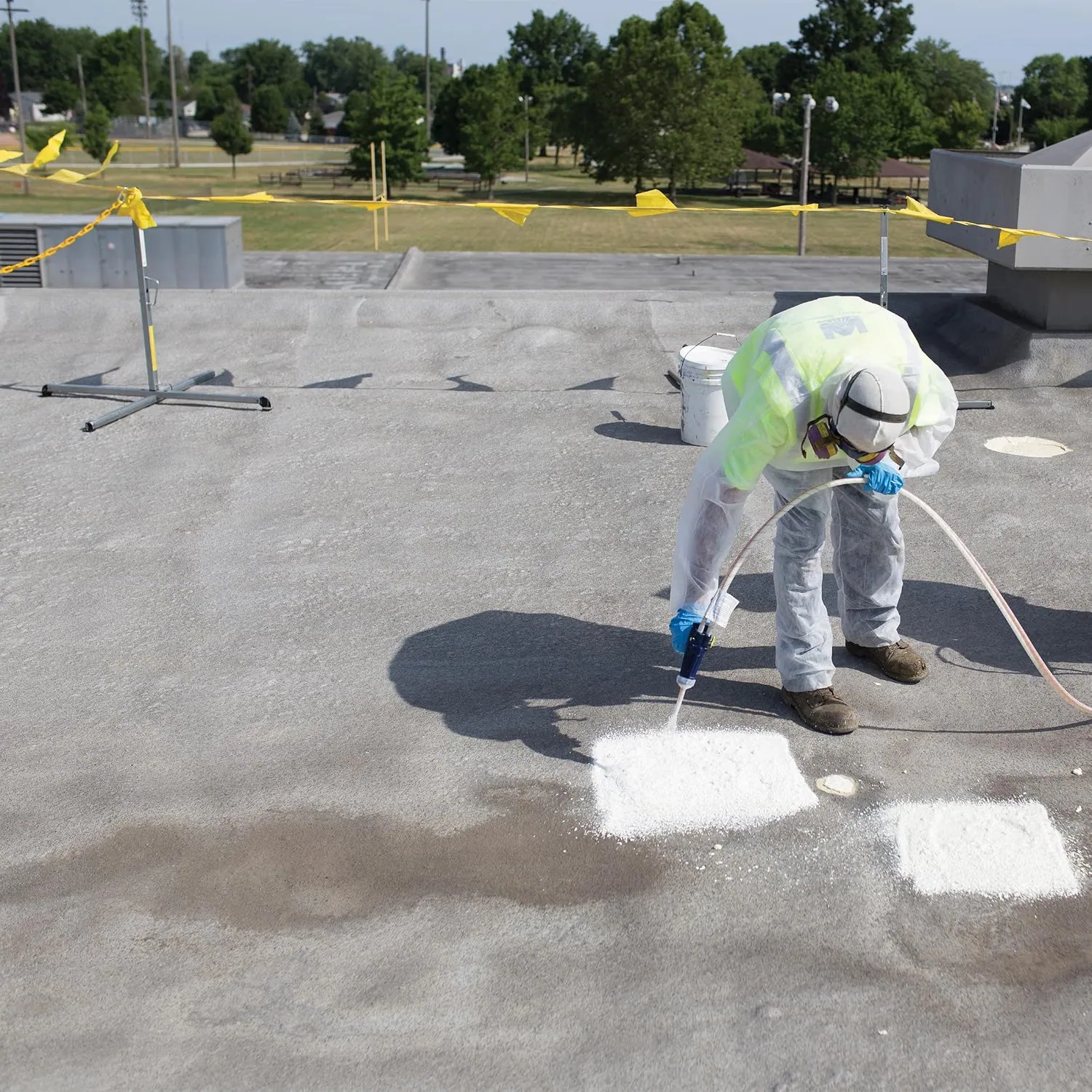
Commercial Spray Polyurethane Foam Roofing in Thornton, CO
Repair or restore commercial SPF roofing in Thornton. Inspect foam profile, moisture and protective coating before choosing recoat or removal work.
A cracked coating over spray polyurethane foam can expose the roof to water before the foam itself looks damaged. We inspect the protective surface, foam profile, penetrations and drainage, then test suspect areas before recommending a recoat or removal. SPF relies on its coating to limit weather exposure. The repair decision should identify which layer failed and how far that condition extends across the roof.
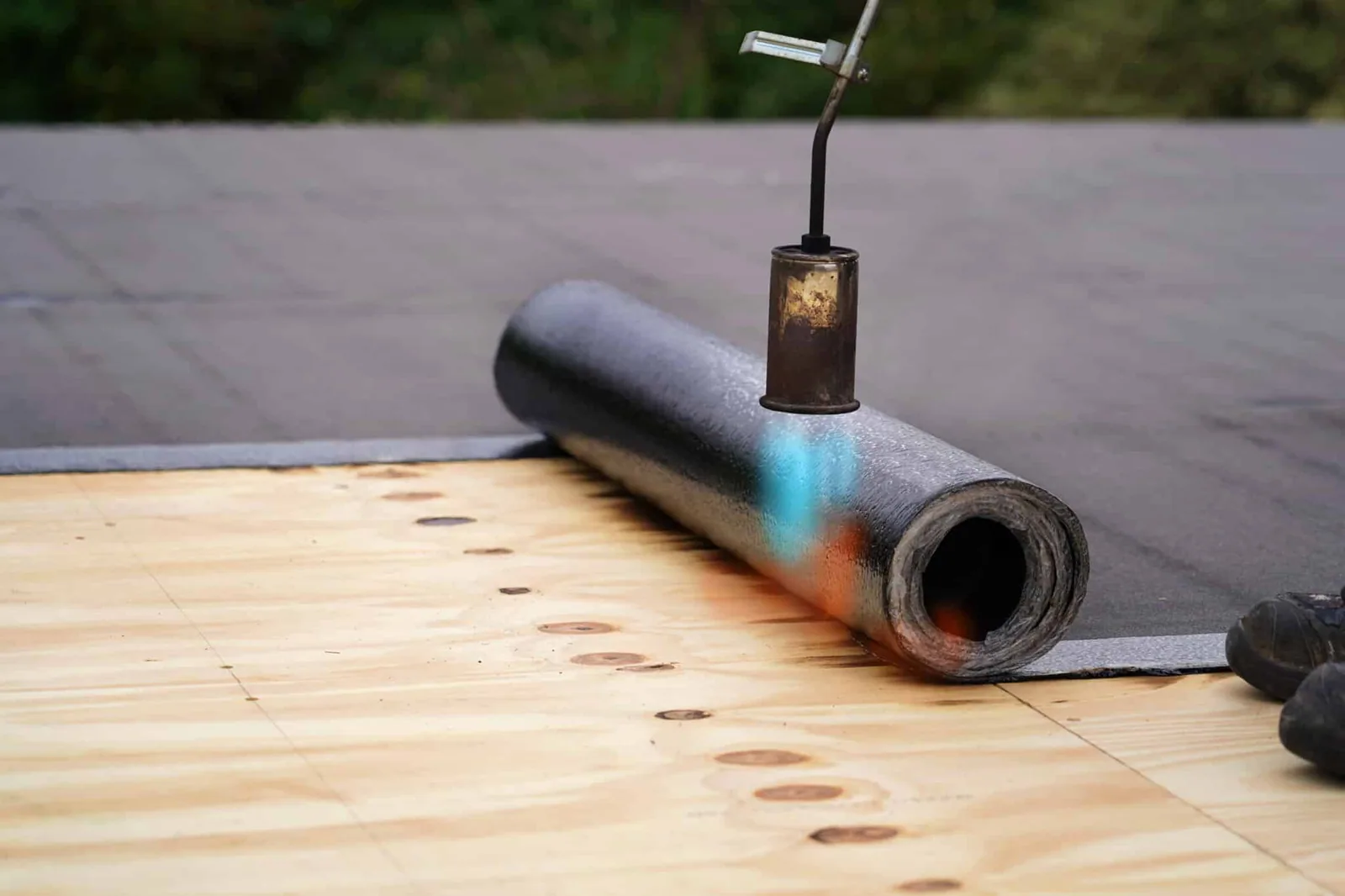
Foam profile: map thickness and drainage
Spray polyurethane foam is applied as a liquid that expands and cures into a closed-cell insulating layer. Installers build a roof profile with passes that shape slope and cover the substrate. We look for erosion, soft or wet areas, exposed foam, cracking, depressions and transitions at walls or equipment. Foam thickness and density should be confirmed from the project record or by suitable testing; a visual surface alone cannot establish those values.
Drainage paths matter because water can remain in a low area where the foam profile has flattened or shifted. We map ponding, curbs and outlets, then compare current conditions with the roof plan. A recoat can protect sound foam, but it does not replace missing slope or correct a failed drain. Drainage inspection may need to occur before recoating, and insulation review can distinguish SPF from other layers at a transition.
Protective coating: inspect the weather surface
SPF needs a protective coating to shield the foam from ultraviolet exposure and weather. We inspect coating thickness where records are available, adhesion, cracking, exposed foam, ponding and previous repair layers. A chalked or worn surface does not automatically mean the entire roof needs removal. We test adhesion and moisture, then mark areas that can accept another coat and locations that require foam repair or cutout.
Silicone and acrylic coatings have different properties and should be selected for the substrate, drainage and exposure. We confirm compatibility and preparation requirements from the product data. Silicone coating may be evaluated where the specified system fits, while acrylic coating is a separate option with its own application and water exposure limits. A coating selection should follow the foam inspection, not precede it.
Moisture check: confirm what lies below the surface
Water can enter through a damaged coating and remain within the foam or at the substrate. We inspect around seams in the coating, penetrations, drains and roof edges. Infrared mapping may help locate temperature differences for follow-up, and targeted cuts can confirm material condition. Each method has a limit. The report labels test locations, repairs and areas that still need review so the owner can decide whether a broader opening is justified.
The May 30, 2024 hailstorm crossed Thornton and Northglenn and produced reported roof damage. We can inspect for coating impact, punctures or exposed foam where a property reports hail. The regional event does not confirm damage to SPF at a specific address. We photograph actual conditions and separate hail marks from age-related cracking, previous patching or foot-traffic damage. If water has reached the substrate, moisture mapping can help organize the next check.
Application planning: protect people and adjacent property
SPF application uses specialized spray equipment and requires control of overspray, ventilation and access. We confirm wind conditions, masking boundaries, occupied areas and nearby equipment before work begins. The facility team identifies air intakes, public walkways, vehicles and property lines that require protection. A coating or foam application should not proceed until the work area and safety plan meet product and site requirements.
At Eagle 25 Logistics Center, the planned buildings include clear-height warehouse space and expansion land. Those plans are useful context for delivery and staging discussions, but they do not establish the roofing system or an overspray boundary for a particular property. We verify access, wind exposure and adjacent operations on site. For an occupied building, phased work planning can help coordinate interior protection and facility hours.
Recoat or replace: set the repair boundary
Recoat can fit when the foam remains dry, firmly attached and adequately profiled for drainage. Localized foam repair may be needed below the new protective layer. Widespread wet foam, poor adhesion, unstable substrate or a profile that no longer drains can move the project toward selective removal or replacement. We document tests and map boundaries, then price each option separately. Any thickness or coverage specification should follow the project requirements and product data.
Denver’s July temperature record provides regional context for UV and surface planning; it does not measure conditions on an individual Thornton roof. We review the actual assembly, coating history and building use. Near Innovate 25, direct I-25 access and industrial buildings may influence material delivery. We confirm the property’s staging rules, then set the application window based on the surface, forecast and access plan.
Cost basis: price foam repair apart from coating
Cost drivers include foam removal, substrate repair, thickness changes, parapet transitions, coating preparation, access, masking and mobilization. A recoat estimate should state required repairs and what happens if a test reveals wet foam. A removal scope includes disposal and the new assembly details. We avoid blending these into one number that hides whether the roof is being restored or rebuilt. The facility can compare the options against its capital window.
At closeout, photos show repaired foam, coating coverage, drains and transitions. The record identifies weather conditions, completed zones and any deferred area. A condition record can support future coating inspections. If the roof has active leakage, our commercial roof repair can stabilize the exposure while the full SPF scope is evaluated. Send coating records, moisture findings, access limits and budget timing for a verified proposal.
Commercial Roofing Questions
Can you apply a new coating over an SPF roof?
Yes, when the foam is sound, dry, attached and compatible with the selected coating. We inspect profile and drainage, test the surface and repair exposed or damaged foam first. The proposal lists preparation and any area that is not eligible for recoating.
How do you tell whether SPF is wet?
We review interior reports, visual signs, moisture mapping and targeted openings. A scan can identify areas for confirmation; a cut shows the sampled layers. The report separates those findings and does not extend one test result across an untested roof zone.
Does a damaged topcoat mean the foam must be removed?
No. A crack or worn area may be limited to the protective layer. We check adhesion, foam condition and moisture before setting removal limits. If the foam is wet, soft or detached, repair needs to extend below the coating.
Which coating is better for SPF, silicone or acrylic?
The product specification, roof slope, ponding, substrate and service conditions guide selection. We confirm compatibility and preparation requirements for the exact system. A coating should not be chosen on color or generic category alone.
What should be cleared before spray work begins?
We coordinate air intakes, walkways, vehicles, adjacent property, rooftop equipment and occupied areas. The access and masking plan defines where spray work can proceed. Wind and product conditions are checked before application, with a stop plan if conditions change.
Inspect foam before pricing restoration
Send the roof plan, coating records, moisture results, leak history, access limits and capital deadline. We will map the foam and protective surface, then compare recoat and removal scopes.
Call 555-555-5555 or send the form and we will set up a visit.