Commercial Standing-Seam Metal Roofing in Thornton, CO
Inspect and repair commercial standing-seam metal roofs in Thornton. Review panels, clips, seams and transitions before setting a repair or retrofit scope.
Panel movement can pull a flashing out of place even when the standing seams still appear straight. We inspect clips, panel ends, ridge and eave transitions, penetrations and water paths before setting the repair boundary. The roof’s slope, panel profile and substrate control the right detail. A metal roof needs room to move while staying secure, so the attachment and perimeter condition belong in the same assessment.
Panel system: identify seams, clips and terminations
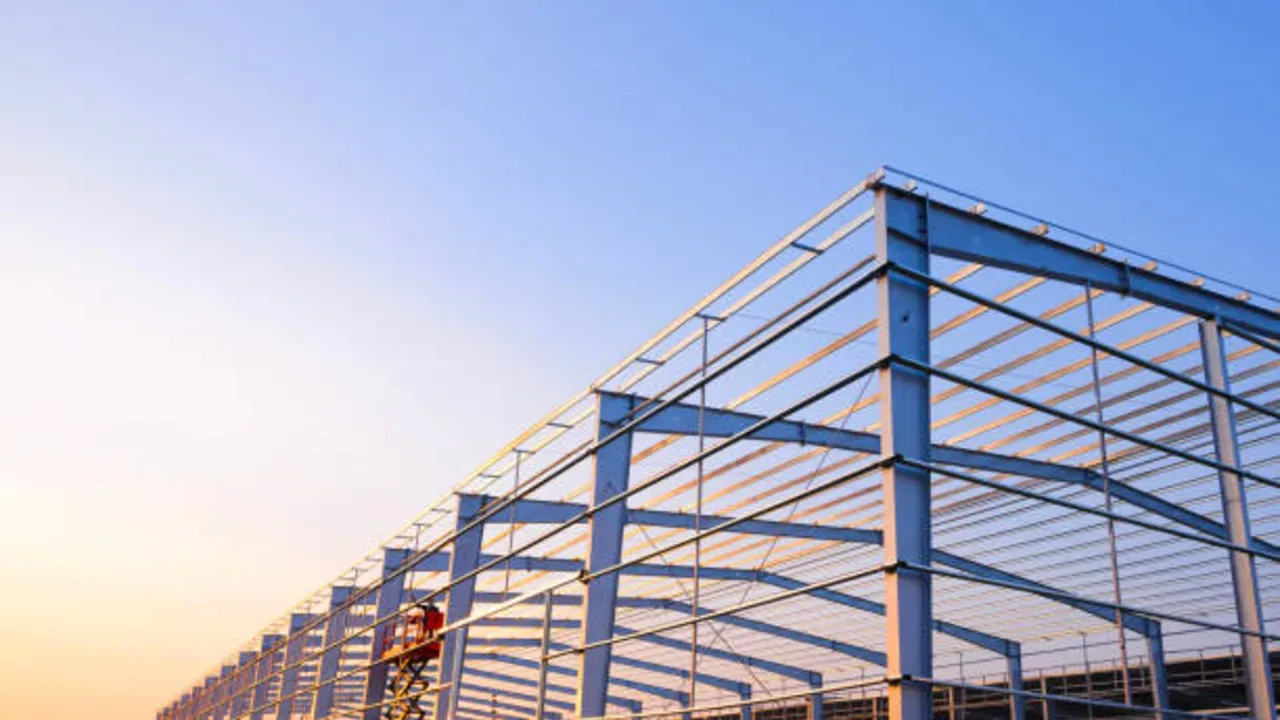
Standing-seam panels connect along raised vertical seams, with concealed clips holding the panels to the structure in many systems. Clip design and spacing allow for thermal movement while resisting wind loads. We check seam engagement, panel alignment, fasteners where exposed, clip movement and evidence of oil-canning or distortion. The inspection also looks at ridge, eave, rake and valley conditions. A visible seam is only one part of the water-shedding assembly.
Metal expands and contracts as temperature changes. A fixed penetration, incorrectly placed fastener or rigid flashing can restrain the panel and create stress. We note whether the detail moves with the roof and whether sealant is being asked to bridge a larger design problem. If the panel profile or clip system is unknown, we document the measurement needed before specifying parts. Edge and coping details can be coordinated with the panel termination.
Leak path: follow water from ridge to eave
Water entry may start at a ridge closure, end lap, curb, valley or transition to a lower roof. We trace the roof geometry and check sealant, closures, fasteners, underlayment exposure and drainage. A stain below a seam does not prove that the seam is the entry point. We inspect above the interior symptom and identify how water could travel along the panel or framing before reaching the room.
The 5280 Logistics Park brochure places its logistics development along I-25 and E-470. Delivery access can matter for lift planning and panel handling; it does not establish the roof type or panel layout at a tenant building. We verify the property, then map the repair area and safe access route. For an active leak, leak repair can protect the interior while a lasting metal detail is designed.
Hail and snow: inspect the panel and drainage
Hail may dent panels, damage coatings or deform exposed trim. We photograph affected areas and inspect seams and fasteners for changes that could admit water. Thornton and Northglenn were crossed by the May 30, 2024 hailstorm, with reported roof damage. The regional report supports a property review but does not establish that a standing-seam roof was affected. We distinguish visible impact from normal profile variation and note any test still needed.
Denver’s climate record shows winter snowfall, but a regional total does not describe snow loading at a particular roof. We inspect the structure and drainage plan, then follow the project engineer’s criteria for load or structural questions. Snow and ice can hide seams or make roof access unsafe. Our schedule confirms current conditions before a close inspection. For hail or wind concerns, wind-related assessment can document movement and water entry separately from cosmetic panel marks.
Repair method: restore the profile without locking movement
Metal repairs may involve replacing a panel, restoring a seam, rebuilding a curb or correcting a flashing transition. The method depends on panel gauge and profile, coating, substrate, clip arrangement and the location of the defect. A new fastener through a moving panel can create another leak path. We inspect the attachment detail and coordinate any structural change with the design professional. The scope identifies material match, finish limits and tie-ins to adjacent panels.
Where a penetration interrupts the panel run, the curb and flashing need a compatible detail that allows movement. Penetration-flashing work can address curbs or pipes, while equipment support coordination can align a base change with the roof repair. If the existing panels are too damaged for isolated work, metal retrofit planning can compare a new over-roof assembly with panel replacement.
Retrofit decision: check the deck and drainage first
A retrofit may preserve the existing metal roof as a substrate for a new assembly, but only if the structure, attachment, moisture condition, drainage and project requirements support it. We inspect corrosion, loose fasteners, panel deflection, existing coatings and roof penetrations. The design must address how the new system transfers loads, drains water and terminates at the perimeter. A retrofit should not conceal active corrosion or a failed deck connection.
Thornton’s Business Park district includes industrial and warehouse uses in limited areas along I-25 and E-470. Those facilities can have operating hours and delivery routes that affect installation sequencing. We plan access by building and work zone instead of assuming one site layout. Built-up roofing is a different assembly option for some low-slope replacements; each system is compared with roof geometry and verified substrate condition.
Scope and finish: price the full metal transition
Cost depends on panel replacement quantity, trim profile, clip access, coating match, lift requirements, flashing complexity, corrosion and the condition below the metal. We separate panel work from structural review or interior repairs. If the finish cannot be matched exactly, the proposal explains the available panel or coating options. Hidden deck or underlayment damage can change the work after the assembly is opened, so the scope should describe approval and documentation steps.
At closeout, we photograph repaired seams, fasteners, flashings and panel transitions. The condition record notes areas needing future observation and any limits to access. A roof report can preserve panel and detail locations for later maintenance. Share the roof plan, panel information, leak log, access rules and capital timing. We will verify the profile and return a repair or retrofit scope by roof zone.
Commercial Roofing Questions
Why does a standing-seam panel move?
Metal changes dimension with temperature. Concealed clips in many systems hold the panel while allowing designed movement. We check whether clip type, spacing, penetrations and flashings preserve that movement rather than restrain the sheet.
Can a dented metal panel be repaired without replacement?
The answer depends on panel condition, seam engagement, finish and water control. We photograph the area, check for distortion or coating damage and inspect adjacent clips and seams. A cosmetic dent may be treated differently from a panel that no longer sheds water reliably.
Can sealant stop a leak at a standing seam?
Sealant may be part of a specified detail, but it should not substitute for correcting loose seams, failed closures or restricted panel movement. We identify the entry path and use a repair compatible with the profile and coating. The inspection also checks the underlayment and nearby transitions.
When is a metal retrofit worth evaluating?
We consider retrofit after reviewing corrosion, attachment, deck condition, drainage, structure and the proposed new system. If panels or connections have widespread failure, a retrofit may not be supported. The scope lists inspections or engineering review needed before pricing the assembly.
How do hail and snow affect metal roof repairs?
Hail can dent or damage the finish, while snow and ice can hide details and limit access. We document observed conditions and follow the project’s structural criteria for load questions. Denver records are regional context; current site conditions set inspection and repair timing.
Inspect the panel system before replacing metal
Send the roof plan, panel profile, leak history, access rules and budget timing. We will check seams, clips, transitions and substrate before comparing repair and retrofit options.
Call 555-555-5555 or send the form and we will set up a visit.