
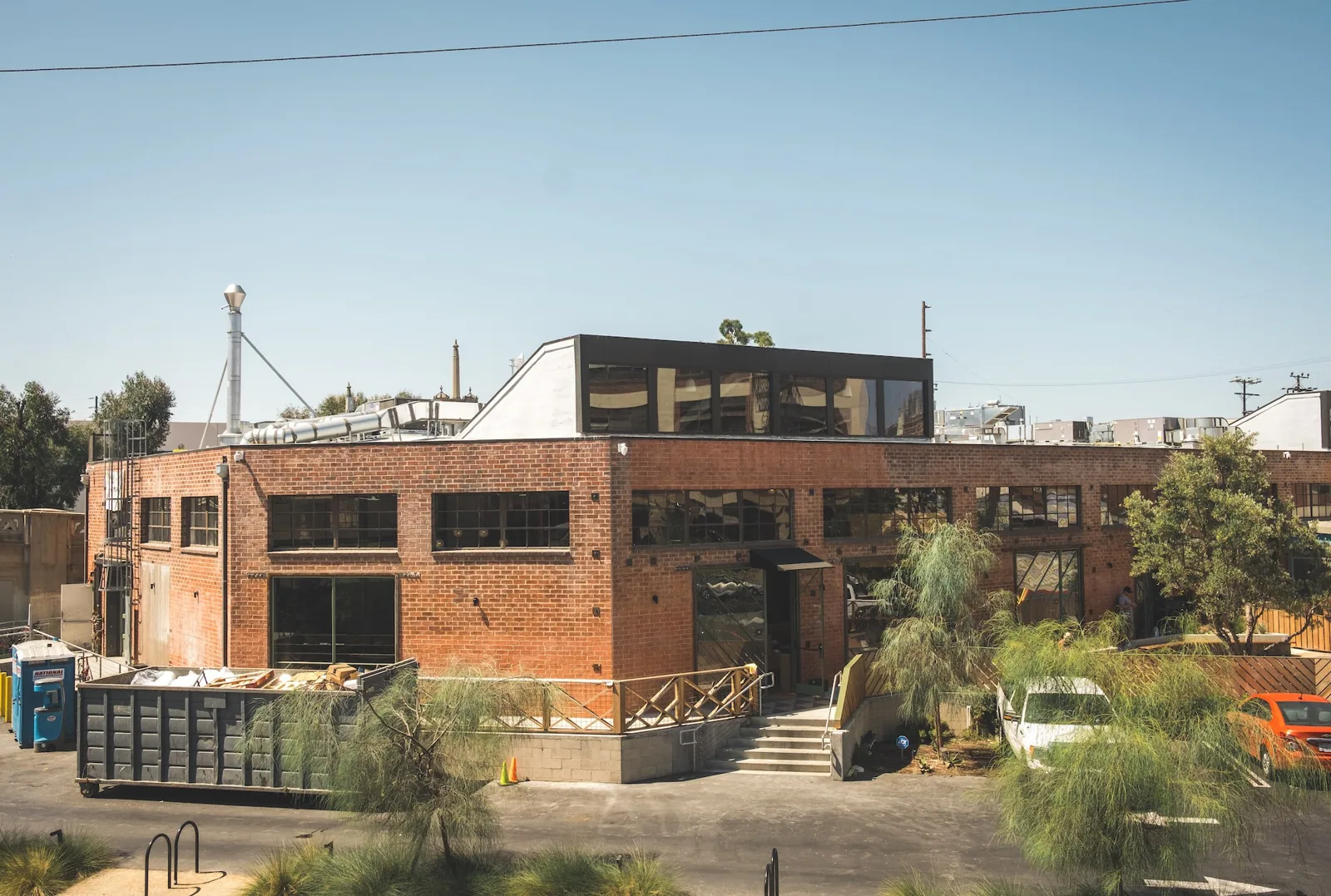
Restaurant Roofing in Thornton, CO
Coordinate restaurant roof repairs around kitchen exhaust, delivery windows, dining areas, and weather for occupied businesses in Thornton, Colorado.
A ceiling drip over the dining room can put lunch service and roof access on the same clock. We inspect above the reported area, map exhaust and other penetrations, then set a work boundary the operator can review. Restaurant roofs often need coordination with kitchen equipment and deliveries. The scope should identify what must be protected, how long the area is affected and what condition would expand the repair.
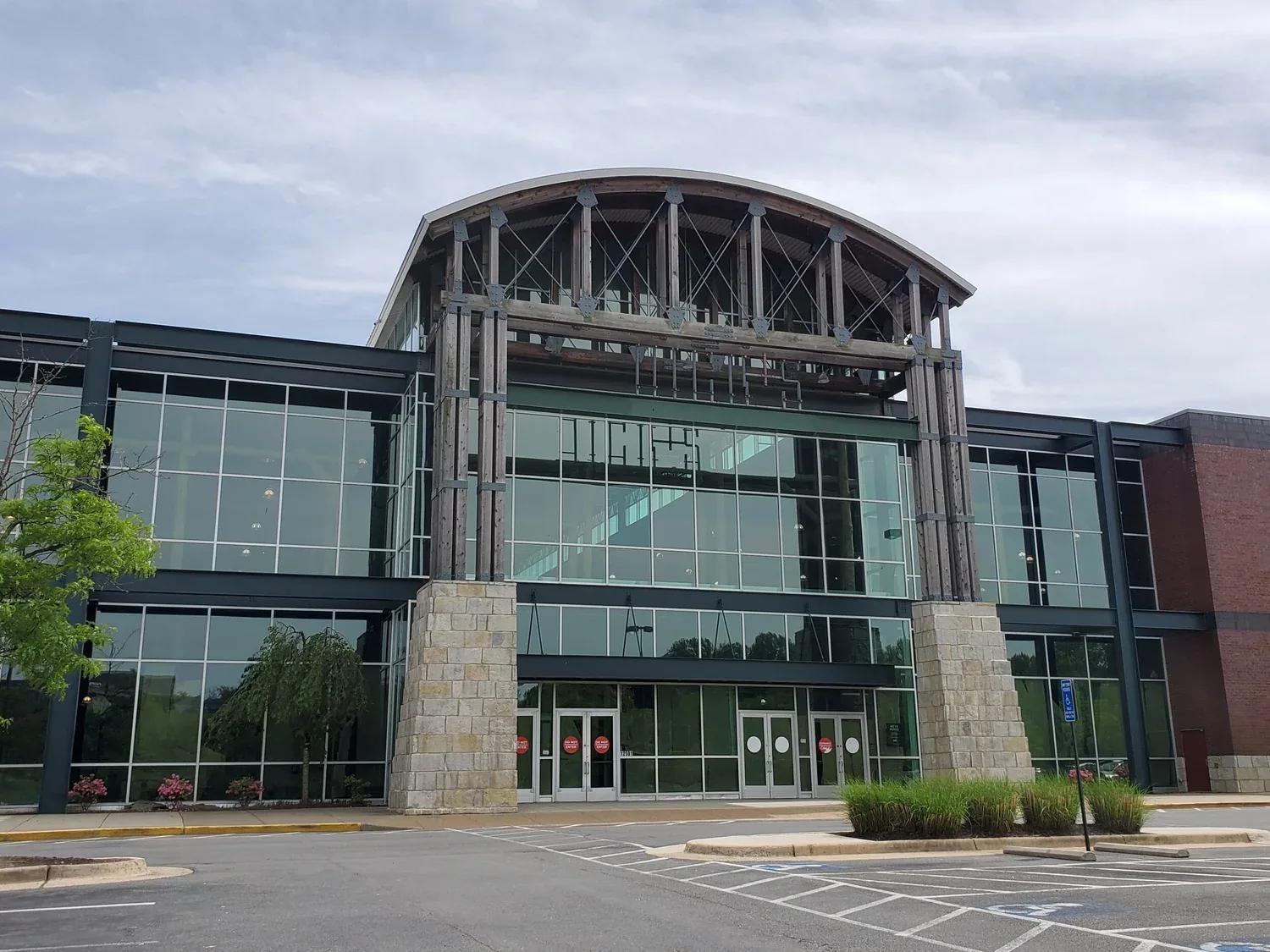
Exhaust layout: inspect curbs and flashing at the source
Kitchen exhaust, make-up air, plumbing vents and refrigeration lines create roof openings that move or receive service over time. We check curb flashing, membrane transitions, counterflashing and nearby seams. A leak beside a hood exhaust may start at a different detail, so we compare the roof with interior reports and mechanical work history. The proposal separates roofing repairs from equipment changes that need another trade.
Washington Point in Northglenn lists restaurants alongside Safeway, Petco, a swim school and a dental office. That tenant roster shows a mixed retail setting where service and customer access share a property. It does not identify the condition of any restaurant roof. We coordinate with the actual operator and property manager. Washington Point is a local example of that multi-tenant context.
Service window: protect prep, dining and delivery routes
Before a roof section is opened, the operator identifies prep periods, service hours, receiving times and any area that must remain in use. We plan crew access and staging away from food deliveries and customer routes where possible. Noisy tear-off can be scheduled outside peak service, while inspection or small detail work may fit another window. Daily close-in protects the building if the work sequence spans more than one shift.
If a ceiling or kitchen area needs covering, we agree on the protection method with the facility contact. Dust, debris, odors and ventilation controls depend on the roof task and materials. We list who approves a shutdown and who confirms equipment is back in service. Occupied-building sequencing can set these limits before equipment and supplies arrive.
Leak review: separate water entry from kitchen systems
Water near a kitchen line can come from the roof, a drain, a condensate system or a plumbing connection. We compare weather, equipment operation and the time the stain first appeared with roof seams, drains and penetrations. Photos show what was visible and whether access limited the inspection. If insulation is wet, a defined opening may be needed to confirm how far removal should extend.
A hands-on roof review checks the membrane and details around the reported route. When the interior pattern suggests moisture beyond the visible mark, infrared mapping can help select areas to verify. We do not use a scan as proof of source; the report states what each test can and cannot establish. A localized repair stays separate from any broader renewal option.
Drains and surface: check grease and debris exposure
Debris around rooftop equipment can obstruct a drain or hide a weak flashing edge. We inspect drain bowls, overflow paths, scuppers and roof-to-wall transitions. If water remains after outlets are cleared, the cause may be a low area, insulation profile or deck geometry. Each condition needs a defined correction. Routine cleaning should not be confused with repair of a failed membrane or drain detail.
The Baseline Center Street plan in northeast Broomfield includes dining, grocery and workspace in its first approved phase. This planned mix places restaurant uses alongside other commercial operations, but does not establish any completed roof or tenant condition. We use the address and access plan to set delivery and lift assumptions. Baseline Center Street is a regional planning reference, while the actual site inspection sets the roofing scope. Drain repairs can be priced separately from exhaust flashing.
Storm condition: inspect the roof after an event
During late spring 2024, the NWS documented damaging hail through the Thornton and Northglenn area, including stones up to two inches and roof impacts. A restaurant can use the event as a prompt to report new leaks or visible damage. We inspect the actual surface and the kitchen exhaust details before describing a repair. The weather record alone does not establish an insurance scope.
For seasonal planning, Adams County identifies a mid-May to mid-August peak in Front Range tornado activity. After a severe weather report, we confirm safe access and check perimeter metal, flashing and membrane attachment. Storm-related roof repairs start from documented damage and a close-in plan if water entry is active.
Repair plan: keep a small defect from becoming a shutdown
A single failed penetration or seam may be repaired when adjacent material and insulation remain sound. Repeated leakage, damaged board or widespread deterioration can point to a broader project. We mark the repair zone, test limits and any area that needs additional confirmation. If a recover or replacement is considered, the scope addresses equipment curbs, drains, edge details and the sequence for keeping the kitchen weather-tight.
A grocery roof may bring refrigeration equipment and stricter food handling controls, while a shopping-center roof may add shared tenant access. Restaurant work needs its own kitchen exhaust and service plan. We list interior protection, off-hour labor and equipment coordination as separate drivers so the owner can compare a targeted repair with a planned renewal.
Budget handoff: state operating assumptions clearly
Price and timing depend on roof height, membrane layers, equipment count, tear-off, staging, service hours and the required interior controls. Evening or overnight work can affect mobilization. We state known quantities and provide a method to approve concealed damage before it changes the scope. A fast patch and a full section replacement should not be compared without showing their different access, warranty and close-in assumptions.
Thornton’s North Washington Commerce Center and the I-25 employment corridor show how restaurant properties can sit near industrial and commercial traffic, but they do not predict access at this location. We verify the delivery path and roof hatch with the operator. At closeout, photos and notes identify repaired details, materials, test limits and any follow-up needed. Send the roof plan, equipment locations, leak history, service hours and capital deadline. We will return a sequence the operator and owner can both use.
Commercial Roofing Questions
Can a roof repair happen between meal periods?
A short service window may fit a limited repair if access, noise and daily close-in are controlled. We review the affected roof zone and kitchen schedule with the operator. A larger tear-off may need after-hours work or a planned closure.
How do you tell a roof leak from an exhaust or plumbing issue?
We compare the timing and location of the report with roof openings, drains, equipment and any recent service work. Photos and testing limits go into the condition record. If the source remains uncertain, we define a test before expanding the repair.
What roof details are common around kitchen equipment?
Exhaust curbs, make-up air units, vents, piping and support frames all need secure flashing and membrane transitions. We inspect the detail and coordinate equipment access before pricing the repair.
What does a hail report mean for a restaurant roof?
It is a reason to inspect after suspected exposure, not evidence of damage at the property. We document actual impact or leakage and compare it with previous repairs before recommending work.
What should the operator share before we visit?
Send service hours, delivery periods, kitchen equipment locations, leak photos, roof access rules and any room that cannot be interrupted. Those details help set staging and interior protection.
Set roof work around kitchen service
Share the roof plan, equipment locations, leak history, delivery window and service schedule. We will document the repair area and return a work sequence with close-in limits.
Call 555-555-5555 or send the form and we will set up a visit.