
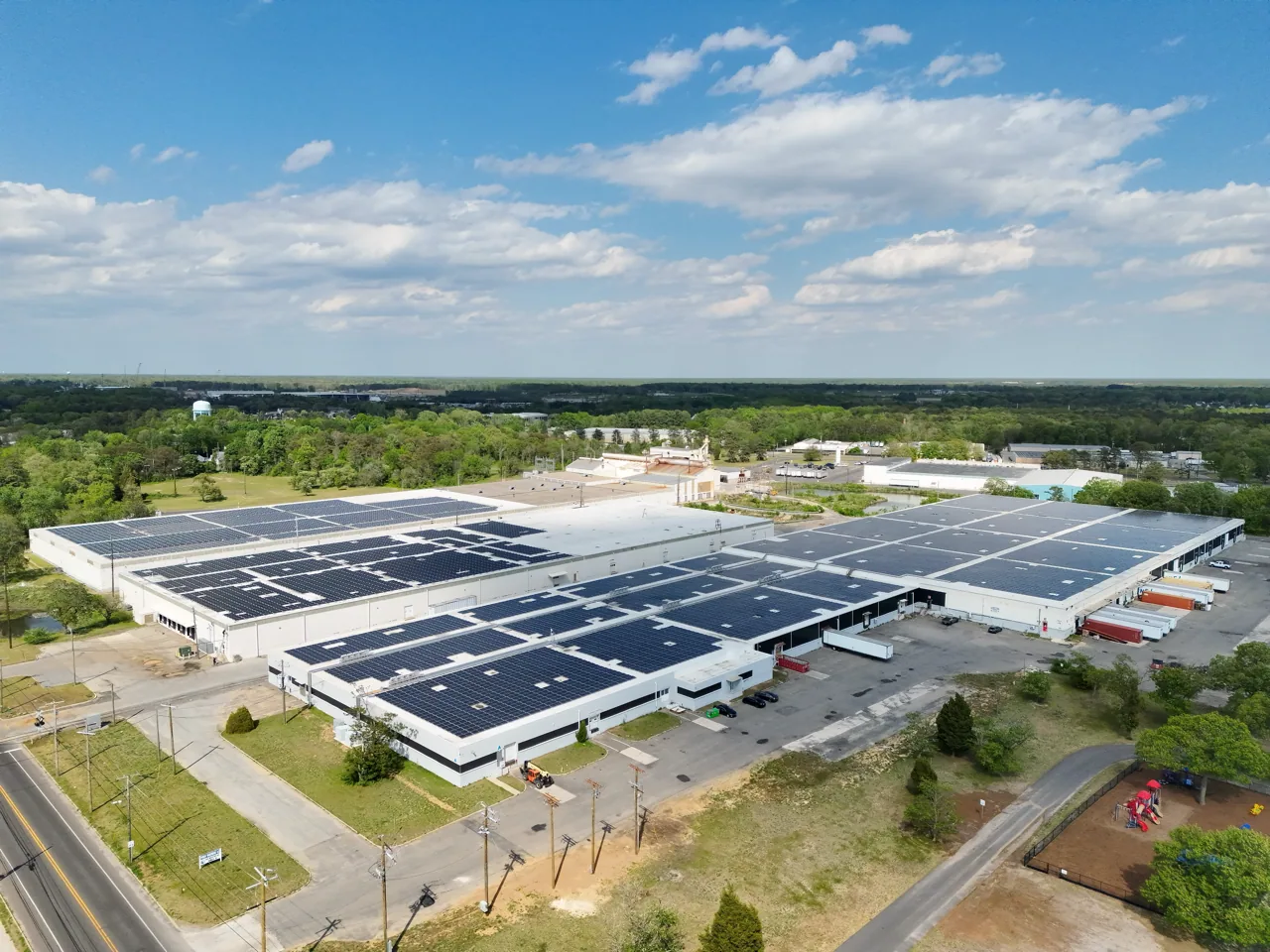
Solar-Ready Commercial Roofing in Thornton, CO
Prepare a Thornton commercial roof for a future solar array. We review structure, membrane, access and drainage before roofing and solar work are sequenced.
A solar proposal can arrive after a roof replacement has already been budgeted. Before either scope advances, we check remaining roof condition, attachment zones, drainage and access routes. In Thornton, the city’s solar-ready energy code now affects covered permit work, so the roofing plan should be coordinated with the design and permitting team early.
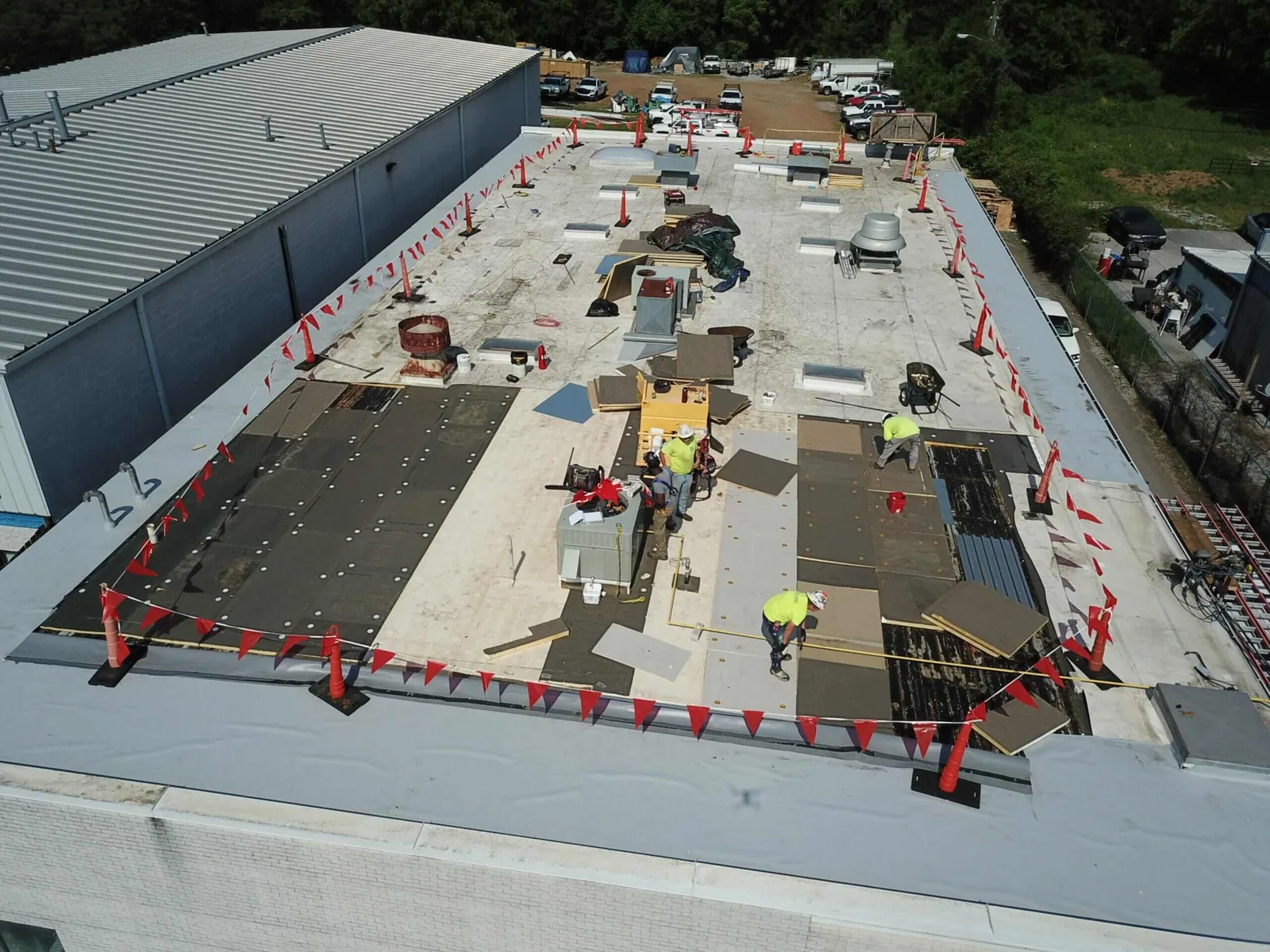
Roof life: compare array timing with replacement needs
Solar equipment can remain on the roof beyond the useful period of the membrane beneath it. If the roof needs replacement soon, installing an array first may create removal, storage and reinstallation costs later. We inspect seams, flashings, insulation, drains and prior repairs, then estimate remaining service condition by roof zone. The roof report helps the owner compare replacement now, planned renewal later or a limited repair before solar work.
That review should separate what we observe from what the solar designer still needs to calculate. We do not infer structural capacity from roof age or appearance. The project engineer reviews loads, wind design, attachment and any reinforcing. Our roofing scope identifies membrane transitions, penetrations, walk paths and areas that must stay accessible for future maintenance. A roof inspection and condition record can give both project teams a common roof-zone map.
Attachment plan: coordinate the roof and array details
Solar racking may use mechanically attached or ballasted components, depending on the design and roof system. Each approach affects weight, uplift resistance, membrane penetrations and maintenance access. We review proposed locations, flashing details and the compatibility of attachment hardware with the roofing assembly. The project engineer establishes the structural design; the roofer defines how the membrane will be protected and restored at each approved penetration.
Penetrations should be coordinated before material arrives. We identify the number and location of supports, cable entries, conduit routes and any planned equipment changes. The detail needs enough working room for a durable flashing tie-in. If the array layout shifts after roofing begins, the change can affect the finished membrane and close-in schedule. Our curb and support coordination can include related mechanical bases, while penetration flashing addresses roof openings that remain in the solar field.
Drainage and access: reserve clear service paths
Panels and racking must not block drains, scuppers, overflow routes or access to equipment. We compare the array plan with roof geometry and mark service paths before installation. The layout should leave technicians room to reach drains and repair seams without crossing fragile details. If a low area already retains water, correct that condition before placing equipment over it. A roof plan with drainage and access zones can reduce conflicts during later maintenance.
Thornton’s 2024 Energy Conservation Code, including the Colorado Model Electric Ready and Solar Ready Code, took effect on July 1, 2026. The code’s applicability and permit requirements belong in the project review. We coordinate the roof drawings and flashing details with the solar designer, owner and permit team. For a site in Baseline Innovation District, planned research and flexible buildings may bring future tenant or equipment changes; the fact of a development plan does not set any individual roof’s solar capacity.
Weather window: protect the membrane during installation
Array installation adds foot traffic, staging and attachment work after the roofing crew finishes. We establish where pallets can sit, how technicians reach the work area and how completed membrane will be protected. Denver climate records show a broad range of winter conditions, but a regional normal cannot set a Thornton work date. We review the current forecast, surface moisture and safe access before scheduling flashing or membrane tie-ins.
Hail is another inspection consideration in the Front Range. NWS records place both Thornton and Northglenn in the path of a May 2024 hail event and note roof damage with hail in the one to two inch range. A future array should not hide an existing defect from a condition review. We document visible impacts and repair needs before solar hardware blocks access. If damage is found after installation, removal or coordination with the solar contractor may be needed to restore the roof correctly.
Project sequence: align design, roofing and solar trades
A combined project needs a clear order for engineering, permit review, tear-off, new membrane, array delivery and final testing. We identify decision dates for attachment details, penetrations, conduit and equipment clearances. The roofing close-in should be inspected before solar components cover the work area. If the roof and array scopes are bid separately, the owner should confirm who protects the finished membrane and who repairs any damage from later access.
Thornton’s Business Park district includes office, clinic, industrial, transport, warehouse and hospital use options. For a building along the I-25 employment corridor, deliveries and operating routes can affect where array materials are staged. We coordinate work by roof zone to keep loading operations and occupied spaces protected. Where the owner is upgrading an older assembly, insulation and cover board planning can be resolved before the final array layout is approved.
Budget choice: price the roof scope before array mobilization
Roof cost changes with removal depth, insulation, tapered transitions, deck repairs, membrane selection, penetrations and perimeter details. Solar coordination can add layout review, attachment mockups, temporary protection and more detailed closeout. We separate confirmed roof work from engineering or electrical scope. If opening the assembly reveals concealed moisture or damaged deck, the proposal states how that finding is measured. The capital comparison should include future array removal risk if roofing is delayed.
At Creekside Innovation Park, the developer lists light manufacturing, aerospace, distribution and research uses as targets. The mix highlights why future equipment loads and operating needs belong in planning, though no roof type or solar capacity should be assumed from those uses. We inspect the specific property and coordinate with its design team. If the existing roof is otherwise sound and eligible, coating restoration may be evaluated, but coating cannot serve as a substitute for an assembly repair.
Closeout: keep a map of future access points
At completion, the roof record should show penetrations, attachment locations, flashing details, drainage routes, service aisles and areas reserved for future repair. We photograph the membrane before array placement when the scopes are phased. The owner can retain that file with structural drawings, electrical plans and equipment schedules.
Share the roof inventory, solar concept plan, permit timeline, access rules and any active leak. We will inspect the assembly, identify the roofing decisions that affect array timing and coordinate a verified scope with the project team. For a larger program, multi-building coordination can align roof records and work windows. The sequence should leave the facility with a maintainable roof and a clear record of what future technicians may access.
Commercial Roofing Questions
Should we replace the roof before adding solar panels?
The inspection should compare roof condition and expected service needs with the array schedule. A roof nearing replacement may be better renewed before solar equipment is installed, while a sound assembly may support a different sequence. We document the condition by zone and leave structural capacity to the project engineer.
Can the roofer approve the solar attachment design?
The structural engineer and solar designer establish loads and attachment requirements. We review the proposed roof details, confirm membrane compatibility and show how each penetration will be flashed. The project should identify who approves the structural design and who restores the roofing around the hardware.
Will panels interfere with drains or roof repairs?
They can if the layout leaves no service clearance. We mark drains, overflow paths, equipment access and repair routes on the roof plan before installation. Those locations should remain reachable after the array is in place, with clear responsibility for moving components if a larger repair is later needed.
What does Thornton’s solar-ready code change for a roof project?
The city’s 2024 energy code with Colorado’s electric-ready and solar-ready provisions took effect July 1, 2026. The permit team should confirm what applies to the specific project. We coordinate the roof assembly and penetration details with that review; structural and electrical design remain with the responsible professionals.
Who repairs the roof if solar work damages the membrane?
The contract should assign protection, inspection and repair responsibility before mobilization. We document the membrane before array work and review the finished details afterward. If damage appears, the roof and solar teams coordinate access and a compatible repair so the array does not conceal an unresolved opening.
Align the roof scope before solar mobilization
Send the roof plan, solar concept, permit timeline, access rules and active leak reports. We will map condition, penetrations, drainage and service routes, then coordinate roofing decisions with the project team.
Call 555-555-5555 or send the form and we will set up a visit.